



Why Vintage Works in Minimalism
The magic of combining vintage textiles with minimalist decor lies in the art of contrast. Minimalism thrives on clean lines, neutral palettes, and a 'less is more' philosophy. While this creates a serene backdrop, it can lack the warmth that makes a house
feel like a home. Vintage fabrics introduce the perfect counterpoint. Their often handmade nature, faded colours, and unique imperfections tell a story that mass-produced items cannot. They add a layer of soul and history, making a space feel curated and deeply personal rather than stark. A single, well-chosen textile can soften the hard edges of modern furniture and add a sense of lived-in comfort. It’s about adding character without adding clutter, focusing on one or two pieces that carry significant visual and emotional weight.
Key Textiles to Look For
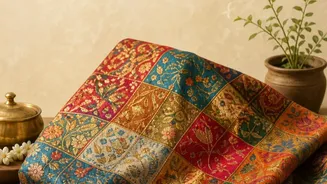
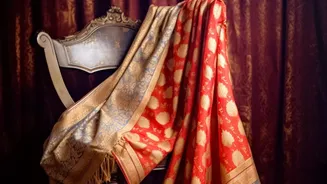
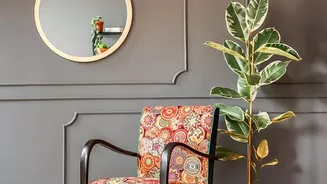
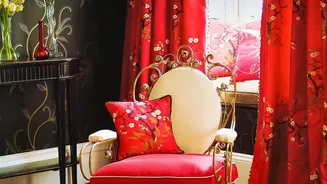
Not all vintage fabrics are created equal. For a minimalist home, focus on pieces that bring texture and story. Hand-stitched Kantha quilts from Bengal, with their rich history and colourful threads, can serve as a stunning bedspread or a piece of wall art. Old woollen rugs, like a faded Kilim, can anchor a living room with subtle pattern and warmth underfoot. Vintage European grain sacks, made from durable, slubby linen, are perfect as rustic cushion covers or table runners. Other options include intricately patterned brocades or damasks for a touch of elegance on a single accent chair, or a lightweight silk panel framed as art. The key is to choose natural fibres like linen, wool, and cotton that have aged gracefully.
How to Style Without Overwhelming
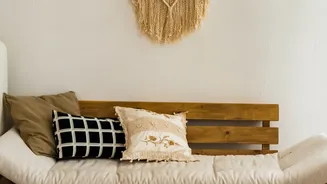
Incorporating these pieces into a minimal space requires a thoughtful approach. The goal is to make a statement, not create chaos. Let one textile be the hero of the room. Drape a vibrant quilt over the back of a neutral-toned sofa or fold it neatly at the foot of a bed. Use a small, beautiful textile as wall art by hanging it from a simple wooden dowel. This not only showcases the craftsmanship but can also help with a room's acoustics. Instead of a dozen mismatched cushions, use two made from a vintage textile to add a pop of pattern. If you have a beautiful piece that is too delicate for everyday use, consider having it professionally framed behind UV-protective glass. This preserves the fabric while turning it into a cherished focal point.
Sourcing and Caring for Your Finds
Finding authentic vintage textiles is a treasure hunt. Explore local flea markets, antique shops, and online marketplaces like Etsy or specialised vintage decor sites. When buying, inspect pieces carefully for signs of irreparable damage like mould or shattering fibres, but don't be deterred by minor wear and tear—that's part of their charm. Caring for these items is crucial for their longevity. Always handle them with clean hands and as little as possible. Most antique fabrics should not be machine washed. For dust, you can gently vacuum through a nylon screen. For stains or deep cleaning, it is almost always best to consult a professional textile conservator. Keep them out of direct sunlight to prevent fading and fibre degradation. If storing, roll fabrics rather than folding them to avoid creating permanent creases and stress points on the fibres.