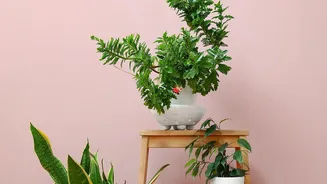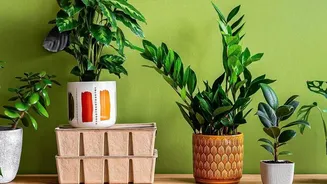





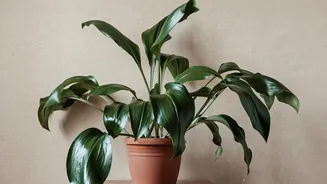
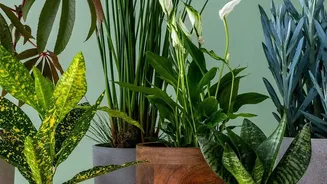
The idea of a home filled with lush greenery that also scrubs the air clean is a powerful one. Many popular guides recommend specific houseplants for this very purpose, but is your snake plant really a substitute for an air purifier? Let's find out.
The Myth's Origin Story
The
belief that houseplants can purify indoor air isn't just a rumour; it has roots in a 1989 NASA study. Facing the challenge of keeping air clean in sealed space stations, researchers found that certain common plants could remove volatile organic compounds (VOCs) like benzene and formaldehyde from small, airtight chambers. The results were compelling, showing that plants like the Peace Lily and Snake Plant were effective in a lab. This study became the foundation for nearly every 'air-purifying plants' list you see today. However, your living room is not a sealed space station, and this is where the popular interpretation of the study begins to wilt.
Snake Plant & The Spider Plant
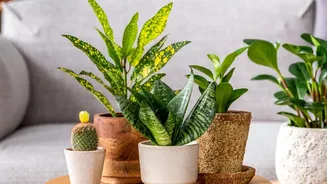
The Snake Plant (Sansevieria trifasciata) and Spider Plant (Chlorophytum comosum) are two of the hardiest and most recommended 'clean-air' plants in India. They are praised for being low-maintenance and adaptable. While they did show purifying abilities in NASA's sealed boxes, the effect in a typical home is negligible. Air in our homes is constantly being replaced through doors, windows, and ventilation systems. A 2019 review concluded you would need between 10 to 1,000 plants per square metre to even begin to compete with a building's natural air exchange. So, while your Snake Plant is a beautiful, tough companion, it isn't scrubbing the air in any meaningful way.
Money Plant & The Areca Palm
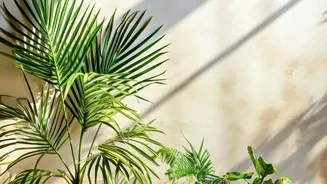
The Money Plant (Epipremnum aureum), or Pothos, and the tropical-looking Areca Palm (Dypsis lutescens) are staples in many Indian households, often for their perceived air-purifying and positive energy qualities. The Areca Palm is particularly noted for its ability to release moisture, acting as a natural humidifier. But when it comes to removing toxins, the same reality applies. The amount of pollutants these plants can absorb is minuscule compared to the total volume of air in a room and the constant influx of new pollutants. Think of it as trying to empty a swimming pool with a teaspoon. The process is happening, but it's too slow and small-scale to make a noticeable difference.
Peace Lily & The Rubber Plant
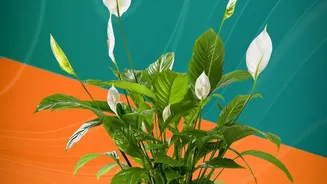
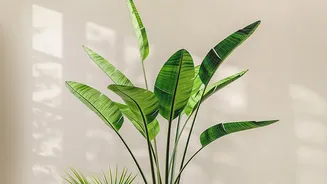
The Peace Lily (Spathiphyllum) was a star performer in the NASA study, showing a strong ability to remove all VOCs tested. The Rubber Plant (Ficus elastica), with its large, glossy leaves, is another popular choice. But again, translating lab results to your home is the issue. Scientists note that to achieve any significant air cleaning, you'd essentially have to live in a dense jungle. Opening a window for a few minutes provides a far greater air-cleaning effect than a dozen houseplants could over a week. So, while the Peace Lily's ability to filter air in a sealed box is scientifically sound, its role in your home is more decorative than functional in that regard.
The Real, Proven Benefits of Houseplants
So, if they're not powerful air purifiers, should you get rid of your indoor garden? Absolutely not. The proven benefits of having plants are numerous and impactful, just different from what we've been told. Studies have consistently shown that indoor plants can reduce stress and anxiety, improve mood, and even boost focus and productivity. The simple act of caring for a plant can be therapeutic, lowering blood pressure and reducing fatigue. They add life, colour, and a connection to nature in our indoor spaces, which has a tangible positive effect on our psychological well being. In essence, plants clean our minds more than they clean the air.