






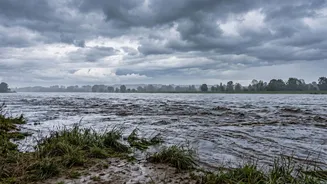
The Deluge from Upstream
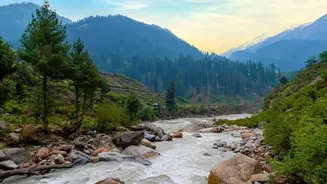
A catastrophic event unfolded in Nepal on August 26, 2026, when a suspected glacial collapse triggered a massive flash flood in the Bhote Koshi river, which originates in Tibet. The resulting wall of water and debris tore through several districts in northern
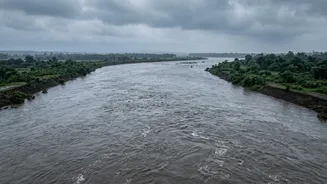
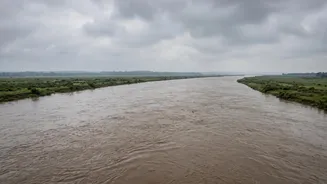
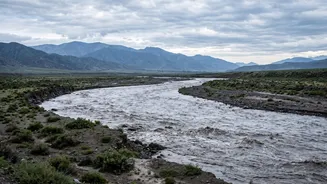
Nepal, including Rasuwa and Nuwakot, causing widespread destruction and a tragic loss of life. This surge of water is now travelling down a network of interconnected rivers. The Bhote Koshi feeds the Trishuli River, which in turn joins the Kali Gandaki to form the Narayani River. It is this Narayani River that enters India, where it is known as the Gandak, posing a direct threat to downstream communities.
India on High Alert
Authorities in India are not taking any chances. The Union government has assured the state governments of Bihar and Uttar Pradesh of all necessary assistance. A high alert has been sounded across several districts. In Bihar, the administration is particularly focused on West Champaran, East Champaran, Gopalganj, Muzaffarpur, Vaishali, and Saran. In Uttar Pradesh, the districts of Maharajganj and Kushinagar, which border Nepal and lie in the Gandak basin, are under intense scrutiny. The primary concern revolves around the Gandak river and its tributaries, as the flood surge from Nepal moves through the system.
Massive Preparations Underway
In response to the threat, a significant mobilisation of resources is underway. The National Disaster Response Force (NDRF) has deployed 20 teams across the two states—nine in Bihar and eleven in Uttar Pradesh—to prepare for any eventuality. These teams are equipped for evacuation, rescue, and relief operations. At the state level, disaster management departments have activated their response plans. Engineers are conducting 24/7 surveillance of embankments, especially at vulnerable points. At the Valmiki Nagar barrage in West Champaran, a critical point for managing the Gandak's flow, officials opened all 36 gates as a precautionary measure to allow the excess water to pass through safely.
A Tense Watch on Water Levels
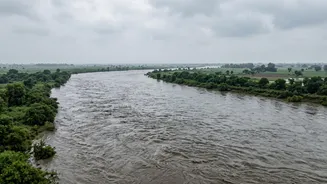
The situation remains fluid. While the initial surge of water reached the Valmiki Nagar barrage and passed through, officials are reporting that there has been no adverse impact in Indian territory so far. The water discharge from the barrage, which peaked late on Wednesday, had begun to recede by Thursday morning, bringing a sense of cautious relief. However, authorities are not letting their guard down. The Central Water Commission (CWC) is continuously monitoring the water discharge and flow rates, providing crucial updates to state agencies. The concern is that further rainfall in the catchment areas in Nepal could lead to another rise in water levels, renewing the threat to low-lying areas.
A Recurring Challenge of Shared Rivers
This annual threat highlights the complex and often precarious nature of managing transboundary rivers. Every monsoon, heavy rains in the Himalayan catchment areas of Nepal send massive amounts of water rushing down into the plains of Bihar and Uttar Pradesh. While India and Nepal have agreements for sharing flood-forecasting data, experts argue that the increasing frequency of extreme weather events, likely linked to climate change, necessitates a more integrated system. The call is for a shift from reactive measures to proactive, basin-wide risk management that can provide more timely and specific warnings to vulnerable downstream populations, turning a shared geography into a shared responsibility for safety.