


The Situation on the Ground
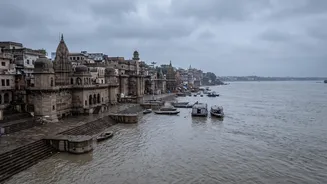
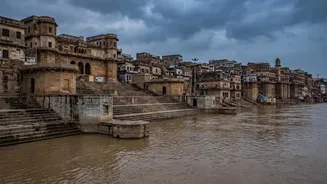
As of early September 2026, the Ganga's water level in Varanasi has surpassed the official warning mark. According to the Central Water Commission, the river was recorded at 70.54 meters on Thursday morning, exceeding the warning level of 70.26 meters.
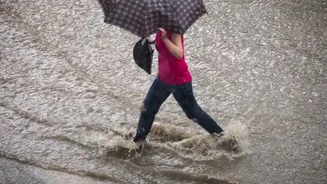
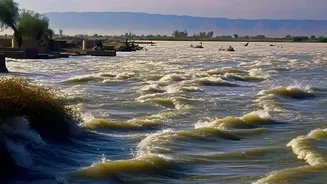
The water continues to rise at a rate of about two centimeters per hour, pushing it closer to the danger level of 71.26 meters. This seasonal swelling, driven by heavy monsoon rainfall, has led to significant flooding in low-lying areas along both the Ganga and its tributary, the Varuna. Authorities have set up relief camps and are on high alert, with emergency response teams monitoring the situation around the clock.
How Flooding Affects Key Experiences
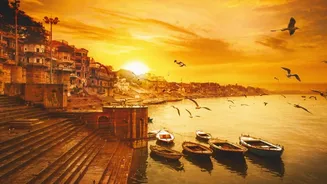
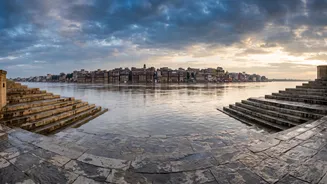
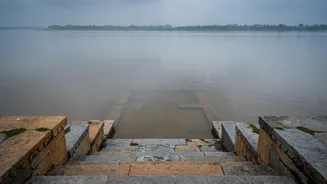
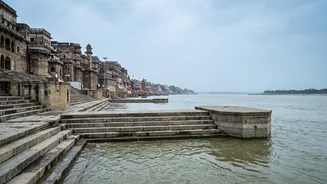
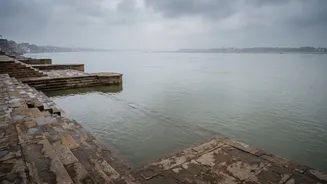
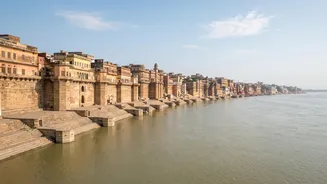
For travelers, the rising river fundamentally alters the Varanasi experience. The city’s iconic ghats—the long series of steps leading down to the river—are largely submerged, making access difficult and dangerous. Consequently, all boat operations have been suspended as a precautionary measure, meaning the popular sunrise and sunset boat tours are currently unavailable. The world-famous Ganga Aarti, a nightly fire ceremony at Dashashwamedh Ghat, has been moved from the riverbank to the rooftop of a nearby building to accommodate the high water. Perhaps most profoundly, the floods have disrupted sacred cremation rituals at Manikarnika and Harishchandra ghats. With the traditional cremation grounds inundated, last rites are being performed on the rooftops of adjacent buildings, a difficult and costly adjustment for grieving families.
Is It Safe to Travel to Varanasi Now?
While the city itself is not entirely shut down, prospective visitors should strongly reconsider immediate travel plans, especially if their itinerary is focused on riverside activities. The primary risks are not just related to the floodwaters but also to the associated health and safety concerns, including slippery surfaces, waterlogged lanes, and the potential for waterborne illnesses. Local authorities have issued advisories urging both residents and tourists to stay away from the ghats and any area with strong currents. With more heavy rain forecast for the region, the situation is expected to persist and could potentially worsen before it improves. For those who must travel, expect significant disruptions and be prepared for an experience far different from the one typically advertised.
What to Do If You Have a Trip Booked
If you have an upcoming trip to Varanasi, the most prudent course of action is to contact your airline, hotel, and tour operators to inquire about their policies regarding cancellations or rescheduling. Explain the situation and the current travel advisories. Many providers may offer flexibility given the circumstances. This is a seasonal phenomenon, and the waters will eventually recede as the monsoon season wanes, typically later in September. Postponing your trip by a few weeks could mean the difference between a stressful, limited visit and the deeply moving experience Varanasi is known for. Always check the latest updates from official sources like the Central Water Commission and local news outlets before making a final decision.