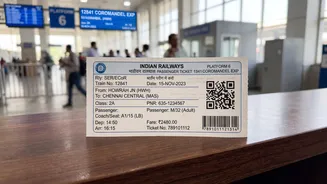









Many train passengers assume some form of travel insurance is a given with their ticket. However, the rules are specific and not all-encompassing. A recent change has extended coverage, but crucial distinctions remain between ticket types.
A Major Update for Counter Tickets
For years, the
optional travel insurance offered by Indian Railways was a benefit largely exclusive to those booking tickets online through the IRCTC website or app. This left millions who purchase tickets at physical Passenger Reservation System (PRS) counters without an easy way to get this affordable protection. Following a Supreme Court directive, this has changed. As of late October 2026, the Optional Travel Insurance Scheme (OTIS) has been extended to passengers who book reserved tickets at railway counters. This move aims to bridge the gap and provide equal access to safety nets for all passengers, regardless of their booking method. However, the rollout comes with specific conditions and does not cover every person who travels by train.
The Crucial Rule: Reserved Tickets Only
The headline's core message hinges on one critical factor: the type of ticket. The insurance scheme, whether accessed online or at a counter, is available only for passengers with reserved tickets. This includes tickets that are fully confirmed (CNF), have a Reservation Against Cancellation (RAC) status, or are partially confirmed at the time of booking. The vast number of passengers who travel on unreserved or general class tickets are still not covered under this optional insurance policy. This is a significant exclusion, as general class coaches form a major part of train travel in India. Furthermore, children below five years of age who are travelling without a booked berth or seat are also not eligible for coverage under this scheme.
How to Opt-In at the Counter
Getting insurance at a counter isn't automatic. Passengers must explicitly opt-in. When filling out the reservation form, you must indicate that you want the travel insurance. Crucially, if you choose to get the insurance, you must pay for the entire transaction—both the ticket fare and the nominal insurance premium—using a digital payment method. Cash payments are not accepted for transactions that include the optional insurance. This is because the premium is just 45 paise per passenger, and collecting such a small fractional amount in cash is impractical. Upon opting in, you must provide a valid mobile number, as the policy details will be sent via SMS directly from the insurance company.
What the Insurance Actually Covers
For the small premium of 45 paise, the coverage provided is substantial and designed to offer a financial cushion against unforeseen events during the journey. In the unfortunate event of a train accident or other 'untoward incident' as defined by the Railways Act, the policy provides significant benefits. The coverage includes up to ₹10 lakh for death or permanent total disability. For permanent partial disability, the compensation is ₹7.5 lakh. The policy also provides up to ₹2 lakh for hospitalisation expenses for injuries sustained during the incident and ₹10,000 for the transportation of mortal remains. This coverage applies from the actual departure of the train until the arrival at the destination, including the process of boarding and deboarding.
Being a Proactive Passenger
While the extension of insurance to counter bookings is a positive step, it places the responsibility on the passenger to be aware and proactive. Railway Board directives state that reservation staff should inform passengers about the availability of the scheme, but it's always best to know your options beforehand. When booking a reserved ticket, whether online or at a counter, always look for the option to add travel insurance. Given the extremely low cost and the significant financial protection it offers, it is a valuable addition to your journey. Remember that if you don't opt in, you are not covered. After booking, you will receive a message with a link to fill in your nominee details, which is a critical step to ensure a smooth claim process for your family if needed.