



A Sweet and Healthy Revolution
Across India's bustling cities and trendy cafes, a quiet revolution is taking place on the dessert menu. Traditional sweets and contemporary bakes are getting a wholesome makeover with one key change: the return of millets. Chefs and home bakers are swapping
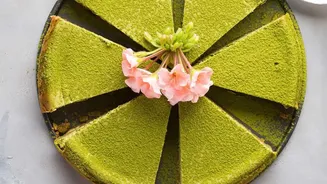
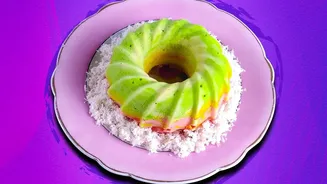
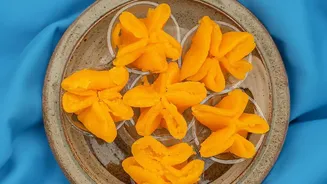
refined flour and sugar for nutrient-dense millet flours like ragi (finger millet), jowar (sorghum), and bajra (pearl millet). The results are surprisingly delectable, from rich, fudgy ragi brownies and moist jowar chocolate cakes to millet-based cookies, puddings, and even ice creams. This isn't about compromising on taste for the sake of health. Instead, it's a creative re-imagination of what dessert can be, blending modern culinary techniques with ingredients that have nourished Indians for centuries.
Why Millets, and Why Now?
The resurgence of millets is driven by a perfect storm of factors. A growing health consciousness among urban Indians has them seeking nutritious alternatives to processed foods. Millets fit the bill perfectly. They are naturally gluten-free, rich in protein and fibre, and packed with essential minerals and vitamins. Their low glycemic index also makes them a smarter choice for managing blood sugar levels. Beyond personal health, there's a powerful sustainability narrative. Millets are hardy, drought-resistant crops that require significantly less water than rice and wheat, making them a crucial 'climate-smart' grain for the future. The momentum was further amplified by the United Nations declaring 2023 as the 'International Year of Millets,' a move championed by India, which has spurred government initiatives and widespread public awareness.
A Return to the Roots
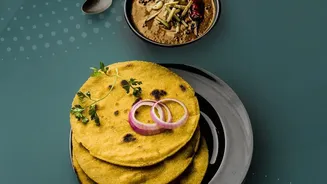
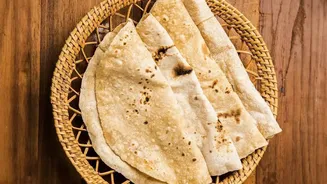
For thousands of years, millets were the cornerstone of Indian diets, forming the basis of everything from flatbreads to porridges. They were the original 'smart food' of ancient India, valued for their resilience and nutritional prowess. However, the Green Revolution in the mid-20th century shifted agricultural focus to high-yield varieties of wheat and rice to ensure food security. While successful, this policy inadvertently pushed millets to the margins, where they were often dismissed as 'coarse grains' or food for the rural poor. Today's revival is more than just a food trend; it's a cultural homecoming. It represents a reconnection with ancestral wisdom and a rediscovery of ingredients that are intrinsically linked to the Indian soil and climate.
Meet the Modern Millet Pantry
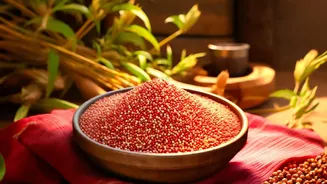
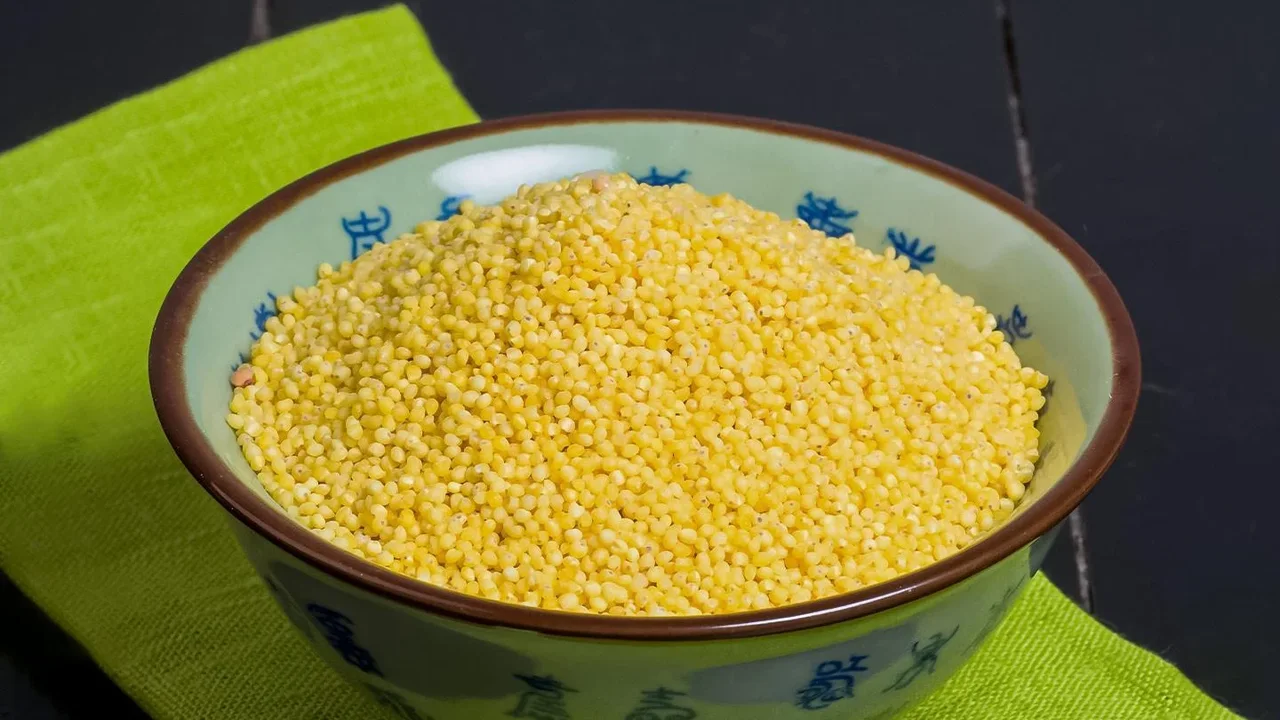
Venturing into millet-based desserts is easier than ever, with various types of millet flours readily available. Ragi (finger millet), with its dark colour and earthy, malty flavour, is fantastic for chocolate-based desserts like brownies and cakes. Jowar (sorghum) has a mild, neutral taste, making it a versatile substitute for refined flour in cookies and cupcakes. Bajra (pearl millet) offers a slightly nutty flavour that works well in traditional sweets and ladoos. Foxtail millet, one of the oldest varieties, can be used to make a creamy, delicious kheer or pudding that rivals its rice-based counterpart.
Getting Started in Your Kitchen
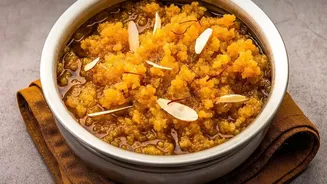
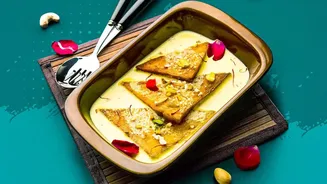
Incorporating these super grains into your sweet treats is surprisingly simple. Start by substituting a portion of regular flour with millet flour in a familiar recipe, such as cookies or a simple cake. When making traditional Indian sweets like kheer or payasam, try swapping out rice for cooked foxtail or little millet. Many recipes now use natural sweeteners like jaggery or dates, which complement the earthy notes of millets beautifully. From ragi halwa to multi-millet cookies, the possibilities are endless. This culinary movement isn't just about reviving an old grain; it's about creating a future where our food is sustainable, nutritious, and, most importantly, incredibly delicious.