



The Unshakeable Role of Gold
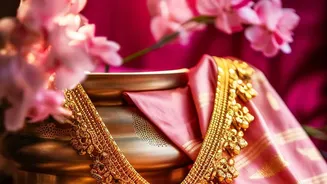
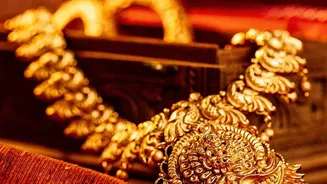
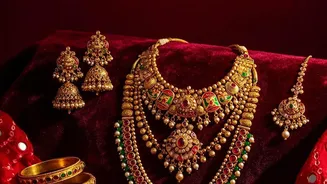
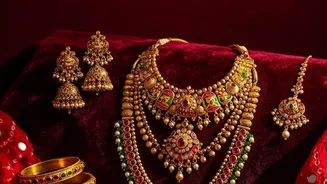
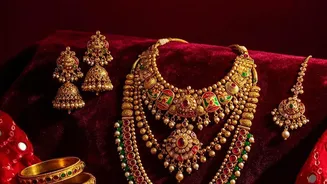
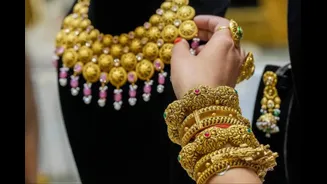
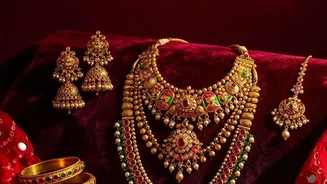
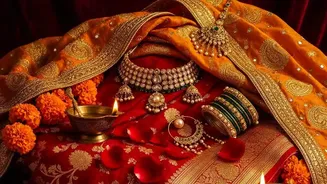
In India, gold is more than just a precious metal; it's a cultural cornerstone, a symbol of prosperity, and an essential element of weddings. Bridal jewellery makes up about 50-55% of the country's total gold jewellery market. It represents ancestral
blessings, financial security for the new couple, and a family's social standing. For generations, the weight of the gold worn by the bride was a direct reflection of this. However, the economic climate of 2026 is forcing a major shift in this long-standing tradition. While the emotional and cultural significance remains unchanged, elevated and volatile gold prices are compelling buyers to become more pragmatic. The conversation is no longer just about design and heritage, but about grams, carats, and budgets.
Navigating the Price Maze
The current wedding season is unfolding against a backdrop of significant price volatility. As of mid-November 2026, 24-carat gold prices have seen sharp movements. For instance, after reaching record highs earlier in the year, prices saw a correction, offering some relief to buyers. However, they remain substantially higher than last year, meaning a bridal set costs significantly more today than it did just 12 months ago. This fluctuation is driven by a mix of global market trends, the rupee-dollar exchange rate, and domestic policies like import duties, which were raised to 15% in May. This uncertainty makes it difficult for families to time their purchases, turning what should be a joyful shopping experience into a stressful financial calculation.
Spend More, Get Less
The most defining trend emerging from this scenario is the growing gap between value and volume. Jewellers report that while overall spending in rupee terms has increased, the actual quantity of gold being sold has fallen. According to the World Gold Council, jewellery demand by volume fell in the first three quarters of 2026. In simple terms, people are spending the same amount of money, or even more, but are taking home fewer grams of gold. This has led to a major shift in consumer strategy. Instead of deferring purchases altogether, buyers are adapting their choices to fit their budgets.
Smart Strategies of the Modern Buyer
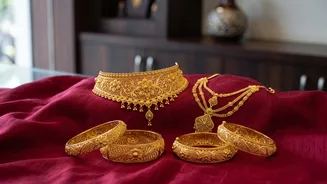
To cope with high prices, wedding shoppers are employing a range of savvy tactics. The most popular strategy is opting for lightweight and minimalist jewellery. Heavy, ornate sets are being passed over in favour of delicate, versatile pieces that can be worn long after the wedding day. Another significant trend is the move towards lower-purity gold. Buyers are increasingly considering 18-carat or even 14-carat gold, especially for studded pieces, as a way to manage costs without sacrificing design. Furthermore, exchanging old gold for new jewellery has become a crucial part of the transaction, with some retailers reporting that these exchanges account for a large portion of their sales. This allows families to upgrade their collections while offsetting the cost of new gold.
How Jewellers are Adapting
The jewellery industry has been quick to respond to these changing consumer habits. Retailers are actively promoting lightweight collections that offer modern aesthetics with less metal. Designs that create a sense of volume through intricate latticework (jaali) or hollow structures are becoming more prominent. Jewellers are also introducing 'price protection' schemes, which allow customers to book their jewellery at the current rate, safeguarding them against future price hikes while often giving them the benefit if prices fall. These initiatives help manage price volatility and build customer trust. Many brands are also focusing on higher-margin categories like diamond-studded jewellery, where the gold weight is lower, to maintain profitability.