


A Higher, Wilder Sanctuary
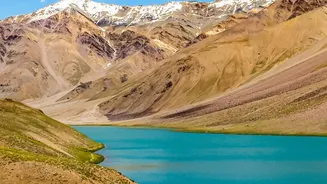
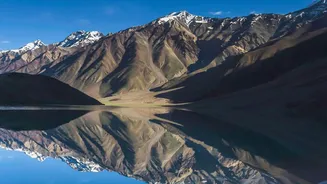
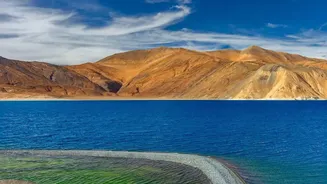
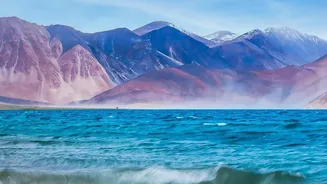
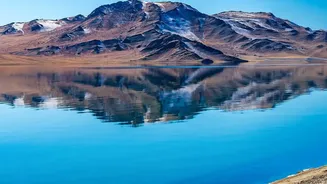
The first thing that sets Tso Moriri apart is its sheer wildness and elevation. Situated at an altitude of over 4,500 metres (around 14,836 feet), it is significantly higher than Pangong Tso. This elevation contributes to a feeling of raw, untouched nature.
Unlike Pangong, which is shared between India and China, Tso Moriri is the largest high-altitude lake located entirely within Indian territory. Its waters, fed by glacial streams, are freshwater to slightly brackish, creating a different kind of ecosystem from the saltwater Pangong. The journey itself, longer and more rugged than the trip to Pangong, acts as a natural filter, preserving the lake’s serene atmosphere and keeping the large tourist crowds at bay. Where Pangong can see hundreds of vehicles a day in peak season, Tso Moriri remains a pocket of profound tranquility.
A Haven for Rare Wildlife
Tso Moriri isn't just a lake; it's a globally recognized ecological treasure. In 2002, it was designated a Ramsar site, a wetland of international importance. This status protects its fragile ecosystem, which serves as a crucial breeding ground for a variety of rare and migratory birds. Birdwatchers flock here to spot the endangered Black-necked crane, which nests in the surrounding marshes—a sight you won't find at Pangong. It is also the only breeding ground in India for the Bar-headed goose. Beyond the birdlife, the Tso Moriri Wetland Conservation Reserve is home to unique Himalayan mammals. It's common to see the Kiang (Tibetan wild ass) grazing in herds across the vast plains, along with Himalayan marmots. For those seeking a genuine wildlife experience, Tso Moriri offers a living, breathing ecosystem that has been lost in more commercialised areas.
A Deeper Cultural Connection
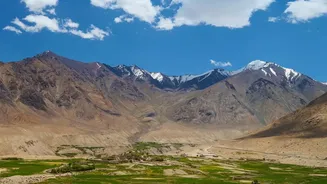
The experience at Tso Moriri is deeply intertwined with the local culture of the Changthang region. On its northwestern shore lies Korzok, one of the highest permanent villages in the world. Here, you can witness the traditional lifestyle of the Changpa nomads, who have herded their yaks and famed pashmina goats across these plains for centuries. Overlooking the village and the lake is the ancient Korzok Monastery, a spiritual hub for the region's Buddhist community. This centuries-old gompa offers not only spiritual solace but also breathtaking panoramic views. Unlike the more transient, tourist-focused setups around Pangong, Korzok provides an opportunity to connect with a community that has a deep, sacred relationship with the lake and the land. This human element adds a layer of richness to the natural beauty, making a visit feel more immersive and meaningful.
An Experience of Solitude and Raw Beauty
While Pangong Tso is undeniably stunning, its fame has brought significant commercial development, including numerous camps, cafes, and heavy tourist traffic right up to its shores. In contrast, Tso Moriri offers a more elemental and undisturbed experience. Strict regulations, due to its status as a wetland reserve, prohibit construction and camping near the lake's edge, preserving its pristine shoreline. Accommodation is primarily limited to basic homestays and guesthouses in Korzok village, fostering a more authentic and less intrusive form of tourism. For travellers who are not just looking for a photo opportunity but are seeking silence, solitude, and a chance to feel humbled by the scale of nature, Tso Moriri delivers an experience that has become increasingly rare. It’s a destination that rewards the adventurous with a sense of discovery and profound peace.