





The Power Within the Roots
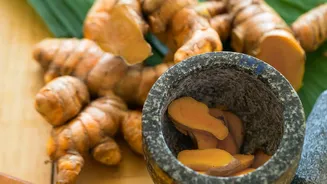
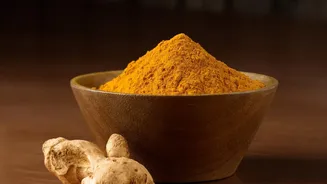
For centuries, turmeric and ginger have been staples in traditional medicine and cooking, especially in India. Their modern-day fame comes from powerful active compounds. Turmeric contains curcumin, which is known for its potent antioxidant and anti-inflammatory
properties. Ginger contains gingerol, a compound that shares these anti-inflammatory qualities but is also celebrated for aiding digestion and soothing nausea. These compounds help the body manage free radicals, which can damage cells, and may help reduce inflammation linked to various chronic conditions. While research is ongoing, studies suggest these spices can play a supportive role in overall wellness, from easing joint discomfort to bolstering your immune system.
Food, Not a Cure: A Vital Distinction
Here's where we need to be clear: enjoying turmeric in your dal or ginger in your tea is not the same as taking a high-dose supplement to treat a disease. While these spices are healthy, they are not replacements for medical treatment. The active compounds, particularly curcumin in turmeric, have low bioavailability, meaning your body struggles to absorb them on its own. That's why in cooking, turmeric is often paired with black pepper—which contains piperine—and a source of fat, both of which can dramatically increase curcumin absorption. Supplements offer a concentrated dose that's impossible to get from food alone, but they are designed for specific therapeutic goals and should be discussed with a doctor. Relying on these spices to cure serious ailments is not only ineffective but can be dangerous if it means delaying proper medical care.
Practical Ways to Enjoy Turmeric
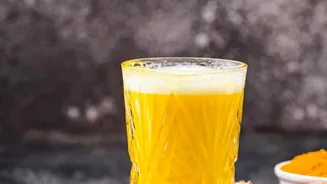
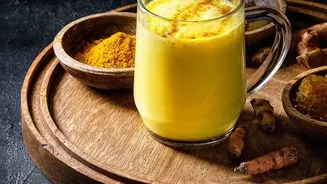
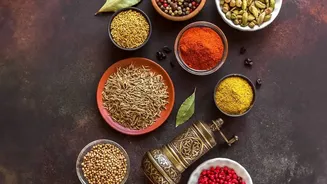
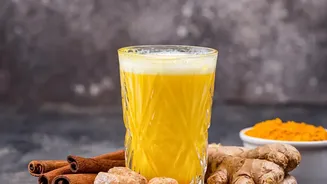
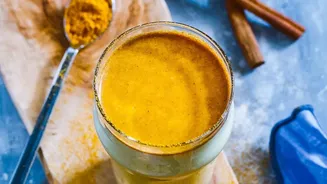
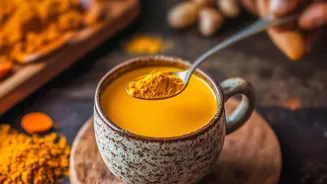
Incorporating turmeric into your daily diet is simple and delicious. Just a teaspoon is often enough to lend its earthy flavour and golden colour to a family meal. Remember to add a pinch of black pepper to help your body reap the benefits. Golden Milk (Haldi Doodh): This classic comforting beverage is a wonderful way to wind down. Gently heat milk with a teaspoon of ground turmeric, a pinch of black pepper, and a dash of cinnamon or cardamom. Sweeten with honey if desired. In Dals and Curries: Turmeric is a foundational spice in most Indian curries and lentil dishes. Add it to the ‘tadka’ (tempering) with other spices like cumin and mustard seeds to build a flavourful base. Flavourful Rice: Add half a teaspoon of turmeric powder to the water when cooking rice to give it a beautiful yellow hue and a subtle, earthy note. Roasted Vegetables: Toss vegetables like cauliflower, potatoes, and carrots with olive oil, salt, pepper, and a generous pinch of turmeric before roasting for a flavourful and colourful side dish.
Getting Creative with Ginger
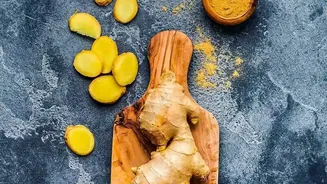
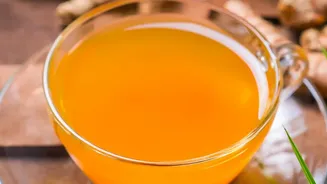
Ginger’s zesty, pungent flavour makes it incredibly versatile. You can use it fresh, grated or minced, or in its dried, powdered form. Soothing Ginger Tea: One of the most popular uses, ginger tea can help soothe an upset stomach and relieve nausea. Simply steep a few slices of fresh ginger in hot water. Add lemon and honey for extra flavour. In Marinades and Stir-Fries: Grated fresh ginger is essential in many Asian marinades for chicken, fish, and tofu, adding a fresh, spicy kick. It’s a key component of the classic ginger-garlic paste used in countless Indian dishes. Soups and Broths: A bit of fresh ginger can brighten up any soup, from a simple vegetable broth to a hearty lentil soup, providing warmth and depth. Salad Dressings: Whisk finely grated ginger into a simple vinaigrette with oil, vinegar, and a touch of honey for a zesty dressing that elevates any salad.
A Note on Moderation and Safety
While generally safe when consumed as part of a normal diet, high doses of turmeric and ginger, especially in supplement form, can cause side effects. These may include mild stomach discomfort, heartburn, or diarrhea. People on certain medications, such as blood thinners or drugs for diabetes, should be cautious, as these spices can interact with them. Turmeric can also interfere with iron absorption and is not recommended in high doses for pregnant women. The key is moderation. Enjoying them as spices in your food is the safest and most time-tested approach to benefiting from their properties.