




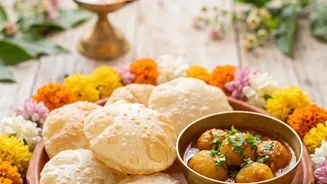
The Heartbeat of the Fast: What Is Sargi?
Sargi is the traditional pre-dawn meal eaten by women before they begin their day-long Karwa Chauth fast. Observed in the quiet hours before sunrise on October 29, this meal is a cornerstone of the festival's rituals. Traditionally, the sargi thali is a gift
of love and blessings from a mother-in-law to her daughter-in-law. This act symbolizes her care, support, and wishes for her daughter-in-law's well-being throughout the demanding 'nirjala' fast, where no food or water is consumed until moonrise. More than just sustenance, it’s a deeply emotional gesture that strengthens the bond between them and reinforces family unity. In modern times, even when families live apart, the tradition continues, with sargi often being sent as a token of love.
More Than Food: The Significance of Sargi
The sargi ritual is laden with meaning. On a spiritual level, consuming this blessed meal is considered an auspicious start to the day of devotion. It sets a positive and prayerful tone, marking the formal beginning of the fast, or 'vrat'. On a practical level, the meal is scientifically designed to provide the necessary energy and hydration to endure the long hours of fasting. The foods included are carefully chosen to prevent fatigue, acidity, and dizziness. For many, the act of waking up in the pre-dawn darkness, gathering with family, and sharing this meal is a cherished moment of connection and quiet reflection before the day's rituals begin. It embodies a blend of care, tradition, and the physical preparation needed for a day of spiritual discipline.
Crafting the Perfect Sargi Thali
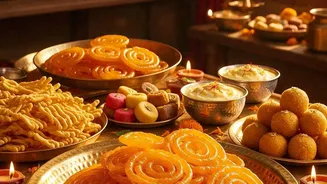
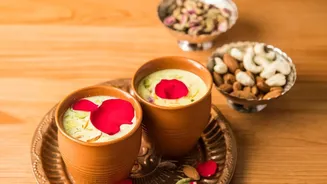
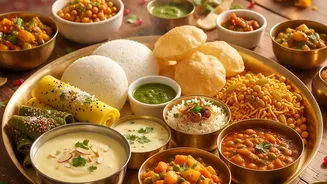
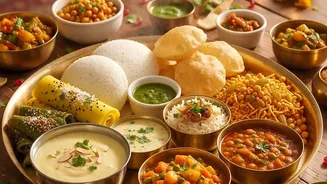
A traditional sargi thali is a beautiful and thoughtful assortment of foods, each with a specific purpose. Key components typically include 'pheni' or 'seviyan', a sweet vermicelli dish often made with milk that provides complex carbohydrates for sustained energy. Fresh, seasonal fruits like bananas, pomegranates, and apples are included for their natural sugars, vitamins, and hydrating properties. A handful of dry fruits and nuts, such as almonds and walnuts, offer healthy fats and protein to keep hunger at bay. To complete the meal, there's often a simple sweet or 'mithai' and sometimes a light, savoury item like 'mathri'. This combination ensures a balance of nutrients to support the body throughout the fast.
A Modern, Healthy Twist on Tradition
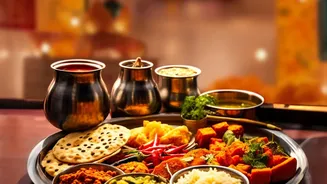
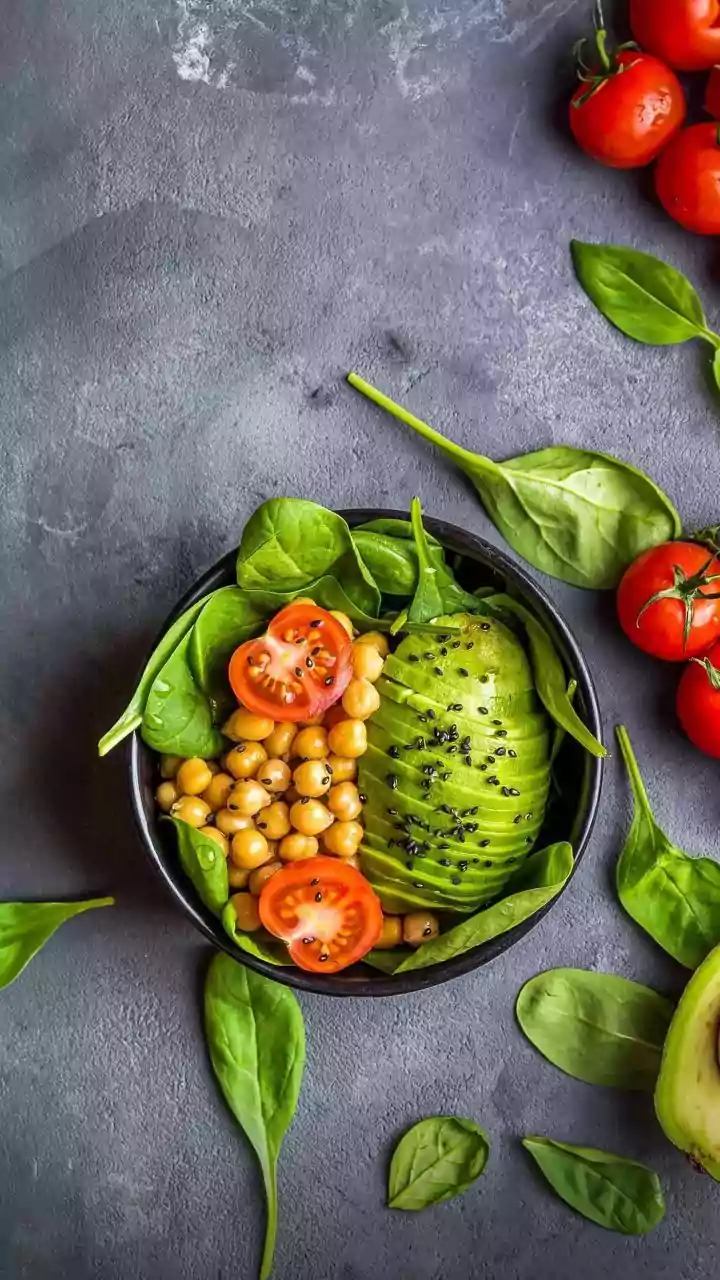
While tradition is key, many women now adapt their sargi to be more health-conscious. The goal is to maximize energy and hydration without feeling heavy or sluggish. Instead of focusing on fried items, a modern sargi might include a whole-wheat stuffed paratha with paneer or vegetables for slow-releasing energy and protein. Plain curd is an excellent addition as it is cooling, provides protein, and can help prevent acidity. To ensure hydration, coconut water or a glass of milk are great choices, alongside water-rich fruits. It's also wise to avoid overly salty or spicy foods, as well as caffeine, which can increase thirst during the day. The focus is on balance—combining carbohydrates, protein, and healthy fats.
Essential Tips for the Pre-Dawn Meal
To make the most of your sargi, a few simple tips can make a big difference. Plan to wake up with enough time to eat slowly and calmly, typically between 4:00 AM and 5:30 AM, ensuring you finish before sunrise. Rushing the meal can lead to digestive discomfort. After eating, drink a glass or two of plain water to ensure you are well hydrated before the fast begins. Listen to your body and eat until you are comfortably full, but not overstuffed, as overeating can cause sluggishness later. Even a light sargi is better than skipping it altogether, as fasting on an completely empty stomach can lead to headaches and severe fatigue. This meal is your primary source of fuel, so treat it with mindful intention.