

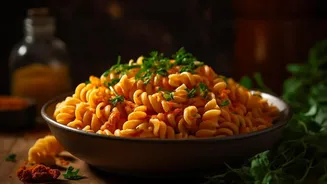

Craving a creamy, decadent pasta dish but want to keep it dairy-free? The secret might already be in your pantry. Discover how almond butter transforms into a surprisingly rich and savoury sauce for a quick and satisfying dinner.
The Magic of Almond Butter
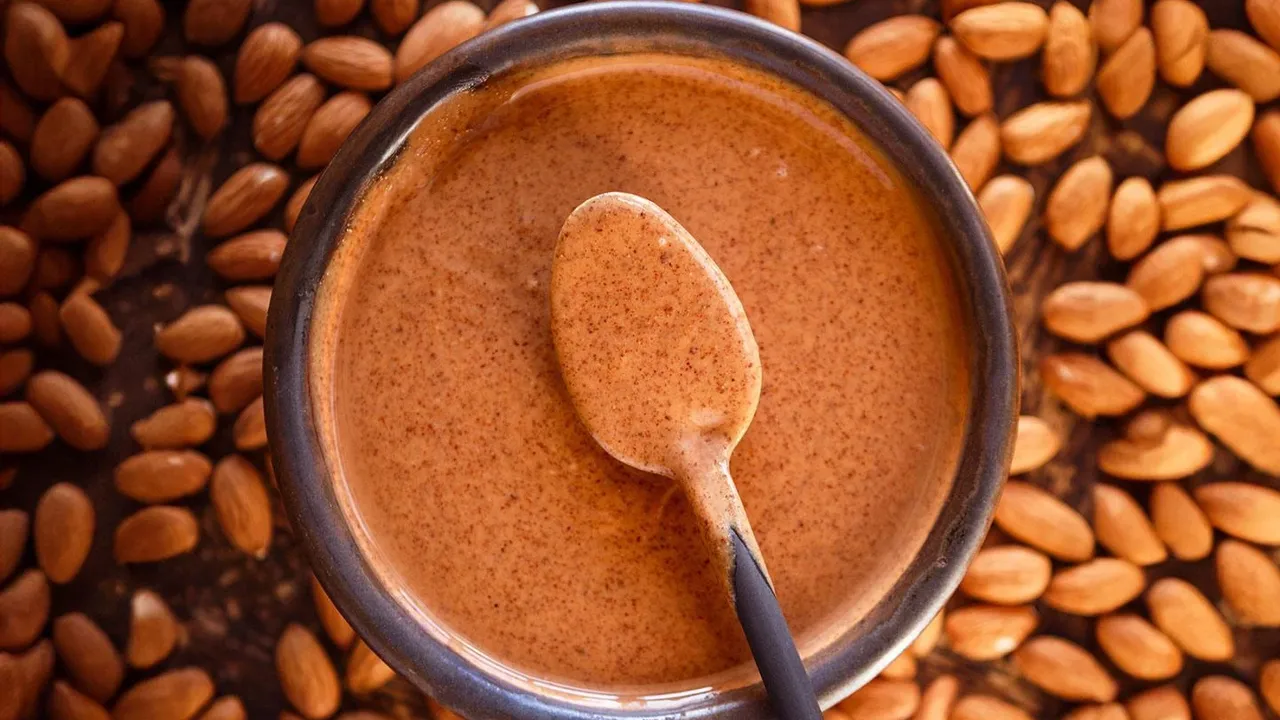
When you think of almond
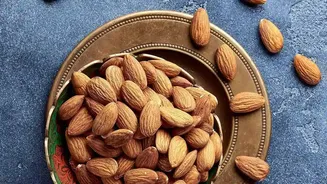
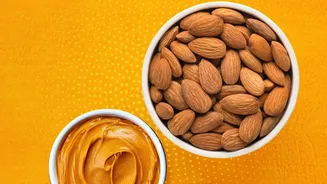
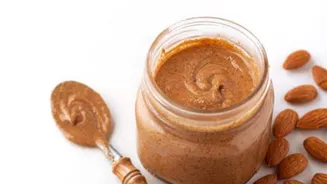
butter, your mind probably wanders to toast, smoothies, or oatmeal. Its savoury potential, however, is a game-changer for weeknight cooking. Just like its popular cousin, peanut butter, almond butter can form the base of an incredibly satisfying sauce that rivals dairy-based cream sauces in richness. Its high fat content emulsifies beautifully with liquid, creating a velvety texture that coats every strand of pasta. Unlike peanut sauce, which has a very distinct flavour, almond butter offers a milder, more toasted nuttiness that serves as a versatile canvas. It provides body and depth, allowing other flavours like garlic, soy, and lime to shine through, resulting in a balanced and complex dish that tastes like it took hours to prepare.
Assembling Your Pantry Staples
The beauty of this recipe lies in its simplicity and reliance on common pantry items. Before you begin, gather these ingredients to ensure a smooth and speedy cooking process. For two to three generous servings, you will need: approximately 200-250 grams of your favourite pasta (spaghetti, linguine, or fettuccine work wonderfully); four tablespoons of smooth, unsweetened almond butter; two tablespoons of soy sauce or tamari for a gluten-free option; one tablespoon of maple syrup or agave nectar for balance; the juice of one lime or one tablespoon of rice vinegar for acidity; one to two cloves of minced garlic; one teaspoon of grated fresh ginger; and a pinch of red pepper flakes for gentle heat, which you can adjust to your preference. Finally, the most crucial ingredient is the starchy pasta water you'll reserve after cooking.
Creating the Sauce in Minutes
This sauce comes together while the pasta cooks, making it a true 'dinner tonight' hero. Start by bringing a large pot of salted water to a boil and cooking your pasta according to the package directions until al dente. While the pasta is cooking, it's time to make the sauce. In a medium-sized bowl, combine the almond butter, soy sauce, maple syrup, lime juice, minced garlic, grated ginger, and red pepper flakes. Whisk these ingredients together until they form a thick, uniform paste. Don't worry about the consistency at this stage; it will seem far too thick to be a sauce, but the magic happens in the next step. The goal here is simply to ensure all the flavour components are thoroughly mixed before you introduce the liquid.
The Final Toss
Just before your pasta is ready to be drained, carefully scoop out about one cup of the hot, starchy cooking water. This cloudy liquid is full of starch released from the pasta, and it’s the key to creating a glossy, emulsified sauce that clings perfectly. Drain the pasta and return it to the warm pot. Now, add about a quarter cup of the reserved pasta water to your almond butter mixture and whisk vigorously. You will see it instantly transform from a stiff paste into a smooth, creamy sauce. Pour this sauce over the hot pasta in the pot. Using tongs, toss everything together continuously, adding more pasta water a tablespoon at a time, until the sauce reaches your desired consistency and every piece of pasta is beautifully coated. The residual heat from the pasta and the water will meld all the flavours together.
Serve and Customise
Your savoury almond butter pasta is ready to be served immediately. Dish it into bowls and feel free to garnish. Toasted sesame seeds, chopped roasted almonds, or fresh coriander add fantastic texture and flavour. Sliced spring onions or a drizzle of sesame oil can also elevate the dish. This recipe is also incredibly adaptable. For a protein boost, toss in some pan-fried tofu, shredded chicken, or cooked prawns. To increase your vegetable intake, add steamed broccoli florets, wilted spinach, or sautéed mushrooms when you toss the pasta with the sauce. Don't be afraid to experiment with the sauce itself; a dash of sriracha can add more heat, while a bit of miso paste can introduce another layer of umami.