

The Claim: What Is Seed Cycling?
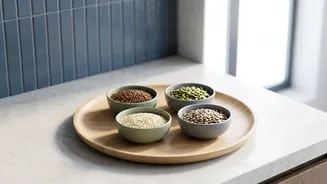
Seed cycling is a dietary approach that involves eating four specific seeds—flax, pumpkin, sesame, and sunflower—in rotation to align with the two main phases of the menstrual cycle. The practice is promoted as a natural way to regulate periods, ease
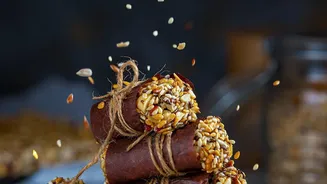
symptoms of PMS and PCOS, and even support fertility by balancing estrogen and progesterone levels. The protocol is straightforward: consume one tablespoon each of ground flax and pumpkin seeds daily during the follicular phase (days 1-14). Then, switch to one tablespoon each of ground sesame and sunflower seeds during the luteal phase (days 15-28). For those with irregular or absent periods, it's often suggested to follow the phases of the moon as a guide. The theory is that each seed provides compounds that support the dominant hormone of that phase.
The Undisputed Fact: Seeds Are Nutritional Powerhouses
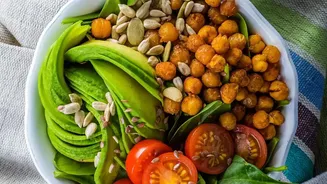
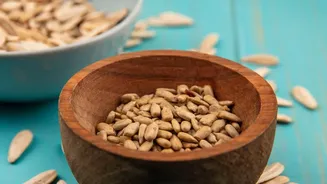
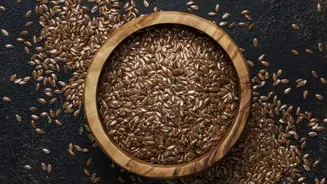
Before dissecting the hormone claims, it’s important to state a clear fact: these seeds are incredibly good for you. They are packed with essential nutrients like fibre, healthy fats, protein, vitamins, and minerals. Flax seeds are a top source of plant-based omega-3 fatty acids and lignans. Pumpkin seeds are rich in magnesium and zinc. Sunflower seeds deliver a significant dose of Vitamin E, a powerful antioxidant, while sesame seeds are a good source of calcium. Adding these seeds to your diet can support heart health, improve digestion, and reduce inflammation. On this point, there is no debate. Their nutritional value is a huge plus, regardless of whether the cycling protocol works as claimed.
The Theory: How Seeds Are Supposed to Work
The theory behind seed cycling hinges on specific compounds within the seeds. During the first half of the cycle, the phytoestrogens (plant-based estrogens) in flax seeds are said to help modulate estrogen levels. Lignans in flax seeds can bind to excess estrogen or provide a weak estrogenic effect when levels are low. Simultaneously, the zinc in pumpkin seeds is believed to support progesterone production for the next phase. In the second half, lignans in sesame seeds are claimed to help keep estrogen in check, while the vitamin E in sunflower seeds is thought to boost progesterone. This intricate nutritional timing, advocates say, provides the raw materials your body needs to create a smoother hormonal rhythm.
The Reality: A Lack of Scientific Proof
Here’s where the claims run into trouble. There are currently no large-scale, robust clinical trials that validate seed cycling as a practice. Most of the support is anecdotal or based on theories about the nutrients in the seeds. While some small studies have looked at the components, they don't confirm the cycling method itself. For instance, studies on flaxseed lignans and their effect on hormones have produced inconsistent results. Some research suggests flax may help lengthen the luteal phase or improve progesterone-to-estrogen ratios, but these studies are often small. Similarly, claims about zinc from pumpkin seeds boosting progesterone are not well-supported by direct evidence in this context. Experts agree that while the individual nutrients in seeds are beneficial, there is little high-quality evidence to prove that rotating them in this specific way has a significant impact on hormone levels.
The Expert Verdict: Healthy Habit, Not a Hormone Cure
Most dietitians and medical experts view seed cycling as a low-risk wellness trend. They acknowledge that the practice encourages people to eat more nutrient-dense foods, which is always a positive. The benefits many people feel might simply come from adding more fibre, healthy fats, and micronutrients to their diet rather than the specific timing. While some practitioners see it as a promising complementary strategy for conditions like PCOS, they also stress the need for more extensive research before it can be recommended as a therapeutic treatment. The consensus is clear: enjoy seeds for their proven nutritional benefits, but don't rely on seed cycling as a standalone cure for hormonal imbalances. If you are experiencing persistent symptoms like irregular periods, severe PMS, or other issues, it's best to consult a healthcare professional.