


Power Up with Protein
Protein is a crucial component for satiety, the feeling of fullness. Many Indian vegetarian diets can sometimes be lower in protein compared to carbohydrates. A simple way to fix this is by consciously adding protein-rich ingredients. Paneer, for example,
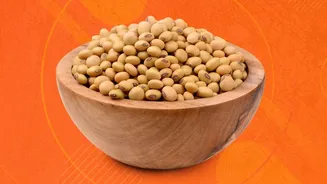
is a versatile option that can be added to curries like palak paneer or matar paneer. Soya chunks are another powerhouse, providing a meaty texture and significant protein in dishes like soya keema. Tofu has also become a popular substitute for paneer in stir-fries and curries. Don't overlook dairy; a bowl of dahi (curd) or a glass of lassi alongside your meal not only aids digestion but also adds a valuable protein boost.
Lean into Lentils and Legumes
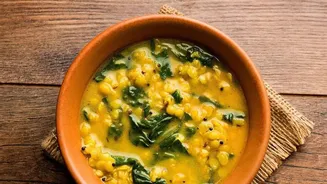
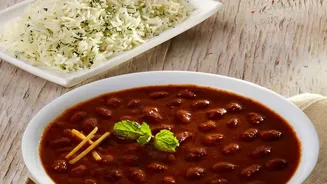
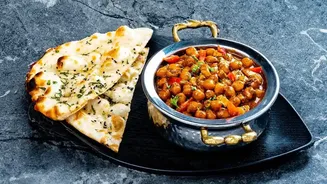
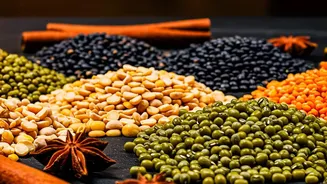
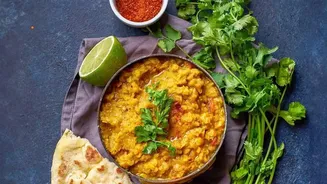
Lentils (dals) and legumes (like chickpeas and kidney beans) are the foundation of Indian vegetarian cooking for a reason: they offer a powerful combination of protein and fibre. A standard serving of dal might not be enough; try increasing the portion size or making the consistency thicker. Dishes like chana masala (chickpeas) and rajma (kidney beans) are exceptionally filling. Sprouting legumes like moong beans before cooking can also increase their protein content and make them easier to digest. A sprouted moong salad is a refreshing and protein-packed addition to any meal.
Fill Up on Fibre
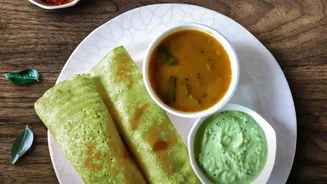
Fibre is essential for slowing digestion and stabilising blood sugar levels, which helps you feel full for longer. Indian cuisine is naturally rich in fibre if you make smart choices. Opt for whole grains like whole wheat atta for rotis, and swap white rice for brown rice or millets like jowar, bajra, and ragi. Millets can be used to make rotis, dosas, or even upma. Additionally, increase your intake of fibrous vegetables. Incorporate generous amounts of spinach, cauliflower, okra (bhindi), and sweet potatoes into your sabzis and curries. These vegetables add bulk and nutrients to your meals without significantly increasing calories.
Add Healthy Fats
Fat is another nutrient that contributes to a feeling of fullness. The key is to choose healthy, unsaturated fats. A handful of nuts like almonds or walnuts can be a great snack or a crunchy topping for pulao or kheer. Seeds such as flaxseeds, sesame seeds, and pumpkin seeds can be sprinkled over yogurt or blended into smoothies. Ground flaxseed can even be mixed into your roti atta. When it comes to cooking oils, options like mustard oil and groundnut oil are good for high-heat cooking, while ghee, used in moderation, adds flavour and contains beneficial fatty acids. A dollop of ghee on your dal or roti not only tastes delicious but also helps make the meal more satisfying.
Rethink Your Plate's Composition
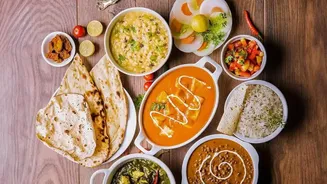
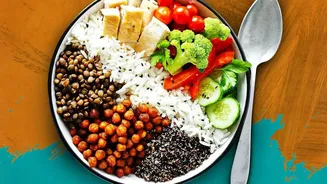
A traditional Indian meal is often well-balanced, but modern habits can sometimes skew the proportions. Instead of letting rice or roti dominate your plate, aim for a more balanced composition. A good rule of thumb is to fill half your plate with vegetables (sabzi or salad), a quarter with a protein source (dal, paneer, chana), and the remaining quarter with complex carbohydrates (roti, brown rice, millets). This structure ensures you are getting a good mix of all the macronutrients needed to keep you full and energised for hours. Also, pay attention to hydration; sometimes our bodies mistake thirst for hunger. Drinking a glass of water before a meal can help you gauge your true hunger levels.