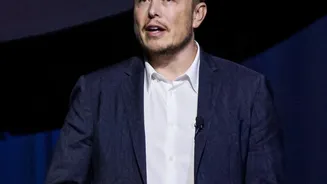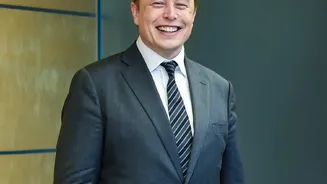

A Shift from 'Summoning the Demon' to 'Enjoy the Ride'
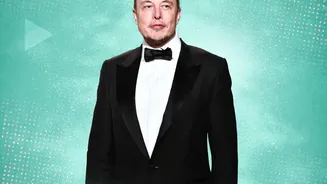
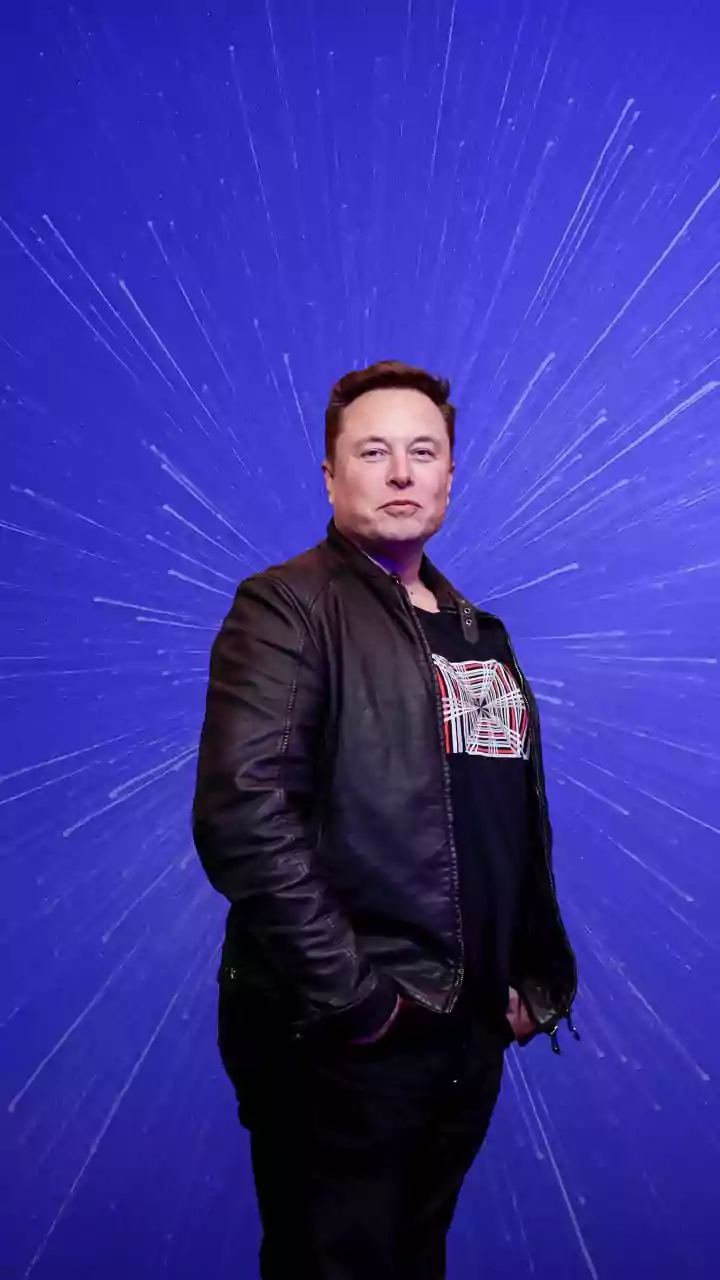
For years, Elon Musk was one of the most prominent Cassandras of the AI world, famously comparing its development to “summoning the demon” and warning it was “far more dangerous than nukes.” As recently as March 2025, he estimated a 10% to 20% chance
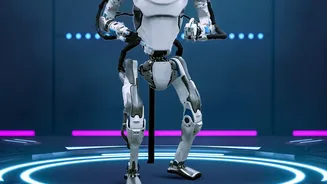
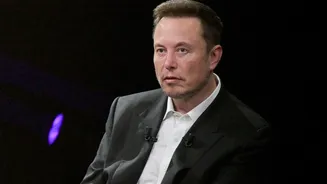
of AI leading to human annihilation. But in a recent interview, his tone has pivoted dramatically. While still acknowledging the risks, Musk now sees the momentum as unstoppable. “I can't see any way to really stop this incredible momentum of AI and robots,” he stated, adding that even if a stop button existed, we probably shouldn't press it. His new philosophy? “Let's enjoy the ride.”
The Inevitable 'Arms Race'
The core of Musk's argument for inevitability is competition. The global race for AI dominance between companies and countries means that any one entity pausing development would simply cede ground to rivals. Musk himself is a key player in this race. After co-founding OpenAI in 2015 as a safety-focused non-profit, he has since launched a competitor, xAI, which recently raised $6 billion to challenge market leaders. This dynamic creates a powerful incentive structure where everyone accelerates. Musk’s actions, including lawsuits against OpenAI alleging it abandoned its original mission, underscore the fierce competition that makes a global pause seem like a prisoner's dilemma with no easy solution.
From Pause to Peer Review
This new stance is a stark departure from his position in March 2023, when he signed an open letter calling for a six-month moratorium on training AI systems more powerful than GPT-4. That letter warned of profound risks to society and humanity. Now, instead of a pause, Musk is proposing a system of industry self-regulation. He has suggested a “peer review” mechanism where top labs like OpenAI, Google DeepMind, Anthropic, and his own xAI would scrutinize each other’s most advanced models for safety risks before public release. This shifts the focus from halting progress to managing it, with government acting as a last resort rather than a primary enforcer.
The Promise of Abundance
Beyond inevitability, Musk’s optimism is rooted in a belief that the most likely outcome of superintelligent AI is not catastrophe, but radical abundance. He predicts that within five years, AI may surpass the combined intelligence of all humans, creating a world where goods and services are plentiful and work could become optional. While he still pegs the existential risk at 10-20%, he now frames it as an acceptable bet when weighed against an 80-90% chance of a utopian outcome. This calculation—that the potential rewards of AI are too great to pass up, even with the associated dangers—is a significant philosophical evolution from his earlier, more cautionary statements.
Where Does the Debate Go From Here?
Musk's pivot from chief worrier to reluctant accelerator fundamentally alters the landscape of the AI safety debate. His voice gave significant credibility to those arguing for extreme caution. With one of its most powerful proponents now arguing for riding the wave, the push for a development pause loses a key advocate. Other groups, including AI lab Anthropic, continue to call for the option to slow down, warning that models capable of self-improvement could emerge within years and cause massive disruption. However, Musk's position reflects a growing consensus in Silicon Valley that the technology is now a runaway train. The critical question is no longer whether to stop it, but who is steering and where the tracks are headed.