








Meet the Utopia: An Analog Dream
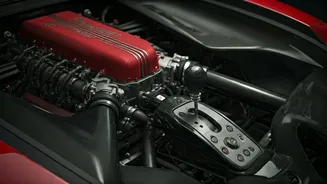
The Pagani Utopia is the third major creation from the Italian atelier, succeeding the legendary Zonda and Huayra. At its heart lies a 6.0-liter twin-turbo V12 engine, specially built by Mercedes-AMG, which produces a staggering 864 horsepower and 1,100
Nm of torque without any hybrid assistance. But founder Horacio Pagani’s brief for this car wasn't about chasing numbers. Instead, he surveyed his most loyal clients, who asked for three things: simplicity, lightness, and the pleasure of driving. The result is a hypercar weighing a mere 1,280 kg, crafted from advanced materials like Carbo-Titanium, and designed with a timeless, sculptural elegance that avoids aggressive modern trends.
The Radical Choice of Three Pedals
The Utopia’s most talked-about feature is its transmission. In a world where hypercars use dual-clutch automatics for the quickest shifts, Pagani offers a true seven-speed manual gearbox, complete with a beautifully intricate exposed gated shifter. This wasn’t an easy decision. Developing a manual capable of handling the V12's immense torque was a significant engineering challenge undertaken with specialists at Xtrac. The move was a direct response to customer demand; some collectors had passed on the previous Huayra because it lacked a manual option. Pagani understood that for its clientele, the experience and emotional involvement of driving are paramount, more so than shaving milliseconds off a lap time. The bet paid off, with reports suggesting the vast majority of Utopia buyers have chosen the manual over the available automated version.
A Symphony of Art and Science
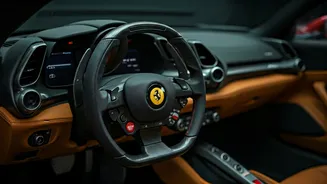
Horacio Pagani’s philosophy, inspired by Leonardo da Vinci, is that art and science must walk hand in hand. The Utopia is the ultimate expression of this creed. Every component, from the visible gear linkage to the individual switches in the cockpit, is crafted not just for function but for aesthetic and tactile satisfaction. The interior is a mix of the finest leather, aluminum, and carbon fiber, featuring classic analog dials instead of an over-reliance on screens. This creates a timeless environment that is neither retro nor futuristic, but simply a masterclass in craftsmanship. The bodywork itself is a work of art, with flowing lines and details like leather straps on the clamshell panels, showcasing a level of detail that elevates the car into a rolling sculpture.
The Collector's Mindset
With only 99 coupes and 130 roadsters being produced, the Pagani Utopia's rarity is guaranteed. Every single one of the coupes was sold before the car was even officially unveiled, highlighting the fierce demand from collectors. For these buyers, a car like the Utopia isn't a daily vehicle. It’s a piece of automotive history and a blue-chip asset. The inclusion of a manual gearbox makes it an instant classic, a monument to the internal combustion engine and analog driver engagement in an increasingly digital world. It’s a purchase driven by passion and an appreciation for mechanical artistry. Collectors don't just buy a car; they acquire a story, and the Utopia's tale of defying modern conventions to celebrate pure driving pleasure is one of the most compelling in the modern automotive world.