







Choose Your Celestial Theatre
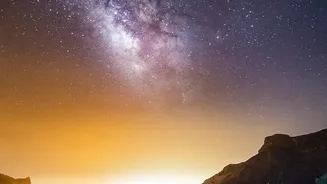
The first step is picking a location where the stars can truly shine. The key is to find a place with minimal light pollution, far from the glow of cities. India is blessed with diverse landscapes that offer incredible dark-sky potential. High-altitude
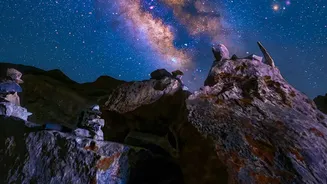
cold deserts like Spiti Valley and Ladakh are considered the crown jewels of Indian stargazing, offering exceptionally clear skies above 3,000 metres. Hanle in Ladakh is even designated as India's first official Dark Sky Reserve. For those not wanting to venture to extreme altitudes, destinations like the Rann of Kutch in Gujarat, with its vast salt flats, offer a surreal, horizon-to-horizon view. In the south, the coffee plantations of Coorg and the hills of Kodaikanal provide pockets of darkness perfect for a celestial holiday. Even closer to big cities, places like Jawhar near Mumbai and the area around Sariska Tiger Reserve offer a quick escape to starrier nights.
Timing is Everything
To maximise your stargazing experience, timing is crucial. Plan your trip around the new moon. A bright full moon acts like a giant spotlight, washing out fainter stars and the magnificent Milky Way. The five-day window around a new moon provides the darkest possible skies. Next, consider the season. For high-altitude Himalayan destinations like Ladakh and Spiti, the summer months from May to September are ideal, as roads are accessible and skies are generally clear. For most other parts of India, including Rajasthan and Coorg, the post-monsoon and winter months from October to March offer the most reliable, cloud-free nights. Also, keep an eye out for annual meteor showers like the Perseids in August and the Geminids in December, which can turn a great night into an unforgettable one.
Gear Up for the Night
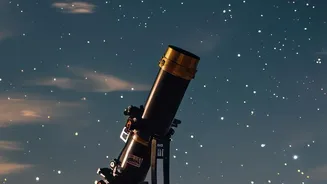
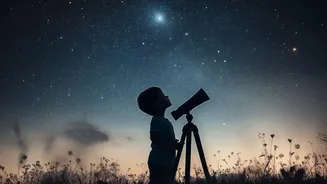
You don't need expensive equipment to enjoy the night sky, but a few key items can enhance the experience. Warm clothing is non-negotiable, as even in warmer climates, temperatures can drop significantly after sunset. A red-light torch is essential; white light ruins your night vision, which can take up to 30 minutes to recover fully. A simple pair of binoculars is a fantastic starting point for a closer look at the moon's craters, star clusters, and even the moons of Jupiter. While not necessary, a portable beginner's telescope can open up a new level of detail. Many resorts and astrotourism operators also provide access to high-powered telescopes as part of their experience.
Let Technology Be Your Guide
Transform your smartphone into a pocket planetarium. There are numerous user-friendly apps that help you identify what you're looking at. Apps like Star Walk 2, SkyView Lite, and Stellarium use your phone's GPS and compass to create a real-time map of the sky. Simply point your phone upwards, and the app will label constellations, planets, bright stars, and even satellites passing overhead. Many of these apps also have features that allow you to see the sky at different times and dates, which is perfect for planning your viewing session. They are an invaluable educational tool for beginners of all ages.
Deepen the Learning Experience
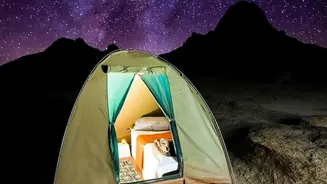
To make the trip truly educational, consider integrating a guided experience. India's astrotourism scene is growing, with dedicated astronomy resorts and operators offering expert-led sessions. Places like Astroport near Sariska National Park are built entirely around the theme of astronomy, offering access to observatory-grade telescopes and professional astronomers. In Hanle, local villagers have been trained as 'Astronomy Ambassadors' to guide visitors. Alternatively, many trekking companies are now incorporating stargazing into their itineraries, sometimes providing telescopes at campsites in places like the Dayara Bugyal or Kuari Pass treks. Combining a wildlife safari in Rajasthan or a tranquil stay in the Western Ghats with a night of guided stargazing can create a holistic and deeply enriching travel experience.