





Why Your Balance is Different on a Trail
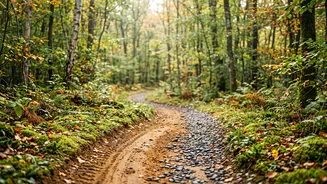
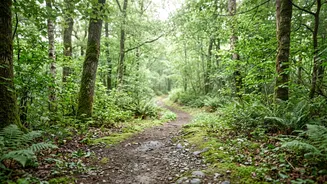
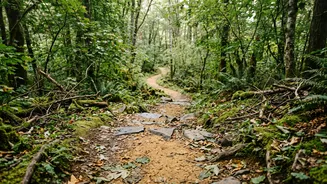
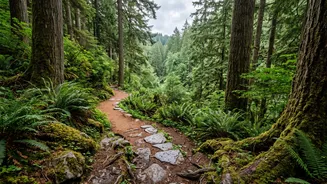
Walking on a paved sidewalk is something most of us do without a second thought. Your brain and body are used to the predictable, flat surface. A nature trail is the complete opposite. Each step presents a new challenge: a slick rock, a tangle of roots,
a patch of loose gravel, or a sudden incline. These unpredictable surfaces force your body to make constant, tiny adjustments to maintain its centre of gravity. This requires a higher degree of communication between your eyes, your inner ear, your muscles, and your joints—a skill known as proprioception, or your body's awareness of its position in space. Without preparation, these demands can lead to fatigue, muscle strain, or a fall.
Build a Strong Foundation Before You Hike
The best way to prevent a fall on the trail is to improve your stability before you even put on your boots. Integrating simple balance and strength exercises into your routine can make a world of difference. Start with single-leg stands; try to hold for 30 seconds on each leg, and for an added challenge, try it with your eyes closed. Other effective exercises include calf raises, walking lunges, and step-ups, which mimic the movements of climbing. These exercises strengthen the muscles in your feet, ankles, and legs, making them better able to react to and stabilize you on shifting ground. Consistency is more important than intensity, so aim for a few short sessions each week.
Engage Your Core for Ultimate Stability
Many people are surprised to learn that a strong core is one of a hiker's greatest assets for balance. Your core muscles—the network of muscles in your abdomen, lower back, and pelvis—act as the stable foundation for all movement. When your core is strong, it helps keep your torso upright and steady, even when your legs are navigating tricky terrain. This prevents the kind of upper-body swaying that can easily throw you off balance. Exercises like planks, bird-dog, and dead bugs are excellent for building the kind of functional core strength that translates directly to the trail. A stable core also reduces strain on your lower back, especially when carrying a backpack.
Master the Art of Trail Footwork
Once you're on the trail, technique matters. Instead of trying to maintain your normal walking stride, adapt to the terrain. Take shorter, quicker steps, which keep your centre of gravity more stable and allow for faster adjustments. When going uphill, lean slightly into the slope and use the balls of your feet for better grip. On descents, which can be even more challenging for balance, resist the urge to lean back. Instead, keep your knees slightly bent, your body upright, and take small steps, landing on your midfoot rather than your heel to reduce impact and prevent sliding. Always keep your eyes on the trail about 10–15 feet ahead to anticipate obstacles, rather than looking down at your feet.
Choose Gear That Gives You an Edge
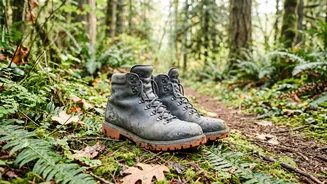
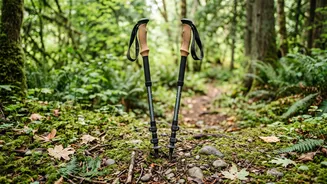
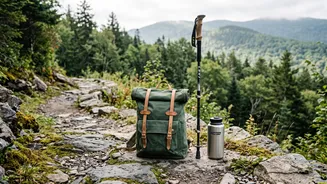
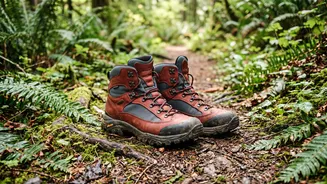
The right equipment can provide significant support. Hiking boots with good ankle support can help prevent twists and rolls on rocky ground. Look for boots that are firm and extend above the ankle. However, the most impactful gear for balance is a set of trekking poles. Poles effectively give you two extra points of contact with the ground, dramatically widening your base of support and improving stability. They are invaluable when crossing streams, navigating loose scree, or descending steep slopes, as they help distribute your weight and take a significant load off your knees. Practice using them on flat ground first to get used to the rhythm before tackling a challenging trail.