

The sizzle of batter hitting hot oil, the fragrant aroma of spices in the air—this is the sensory welcome of the Indian vada. A cornerstone of street-side breakfasts, this savoury lentil fritter is a textural marvel, crunchy and golden outside.
What is a Vada?
At its
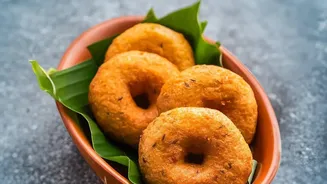
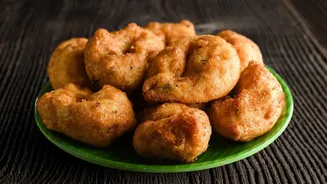
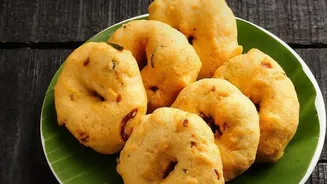
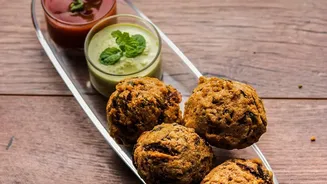
heart, a vada is a category of savoury fried snacks from India, akin to a fritter or dumpling. While recipes vary widely across the country, the most iconic versions, especially for breakfast, are made from a base of ground lentils (dal) and spices. The headline star, a lentil-based vada, typically uses urad dal (black gram) or chana dal (Bengal gram). The lentils are soaked, ground into a thick paste, seasoned with ingredients like green chillies, ginger, curry leaves, and cumin, and then deep-fried. The result is a magical contrast: a perfectly crisp, golden-brown shell giving way to a soft, fluffy, and steaming interior. It’s this delightful texture that makes the vada an enduring favourite.
A Tale of Two Vadas: Medu vs. Masala
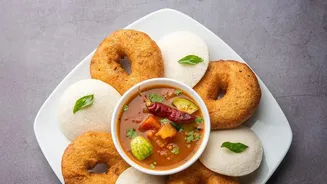
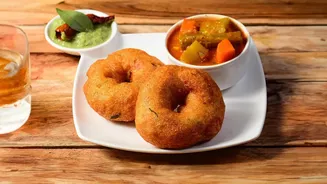
While countless variations exist, two lentil-based vadas reign supreme in South India. The Medu Vada is perhaps the most famous. Made from urad dal, it’s shaped like a doughnut, a clever design that ensures the centre cooks through without burning the outside. The name itself offers a clue to its nature; 'Medu' means soft in the Kannada language, referring to its tender interior. On the other hand, there is the Masala Vada, also known as Paruppu Vadai in Tamil Nadu or Chana Dal Vada. This version is made from coarsely ground chana dal, giving it a much crunchier, more rugged texture. It’s typically formed into a rough, flat disc and is packed with a more aggressive spice blend, often featuring fennel seeds, onions, and fresh herbs.
The Quintessential Street-Style Breakfast
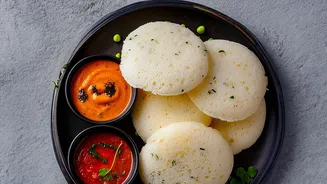
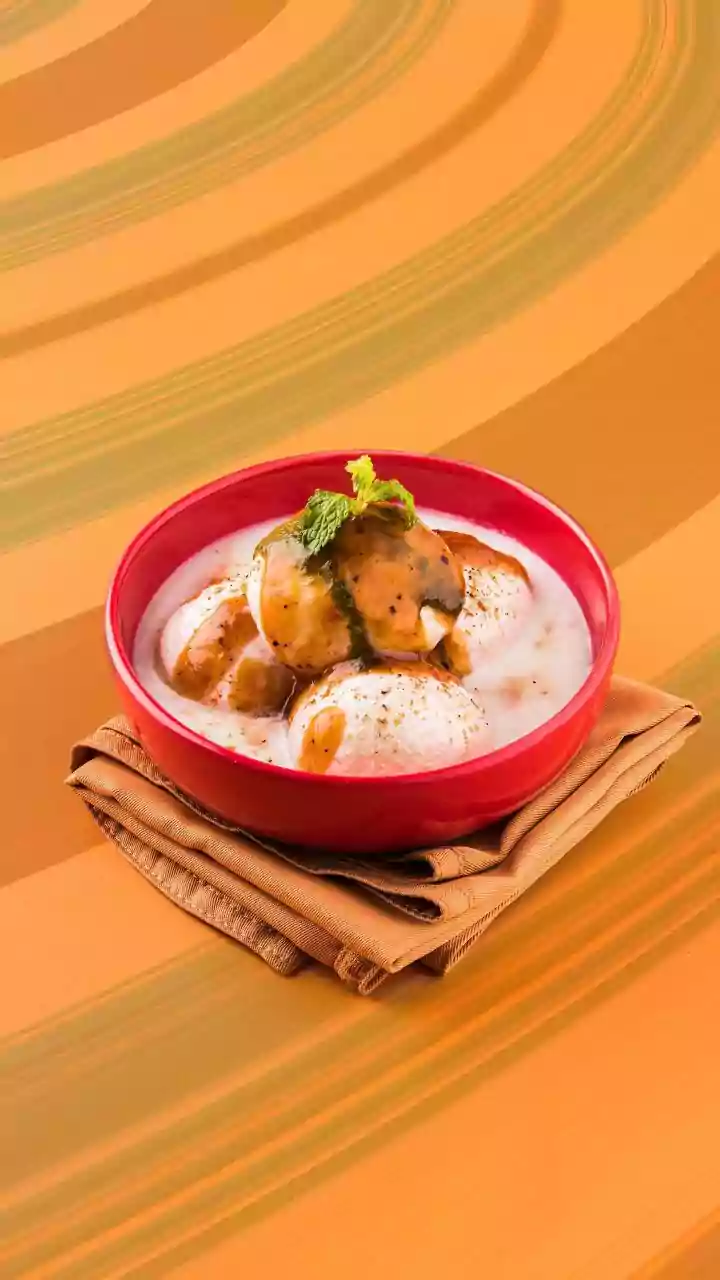
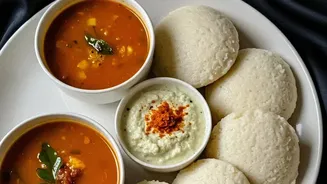
Across South India, the morning rush is often fuelled by vadas. Served hot from bustling street stalls known as 'Thattukadas' in places like Kerala or from local tiffin centres, they are a quick, affordable, and deeply satisfying meal. A typical breakfast plate might feature one or two medu vadas served alongside idli (steamed rice cakes) for a classic combination. The vada isn't just a breakfast item; it's a versatile snack enjoyed with evening tea, a starter for a larger meal, or even a festive offering during religious ceremonies and celebrations. Its history is ancient, with mentions of similar fried lentil snacks dating back to as early as 500 BC.
Beyond the Lentil: A Vada for Every Region
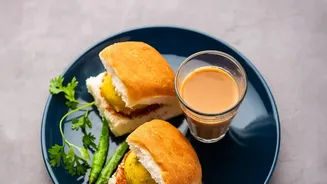
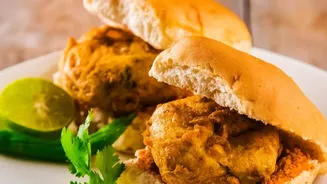
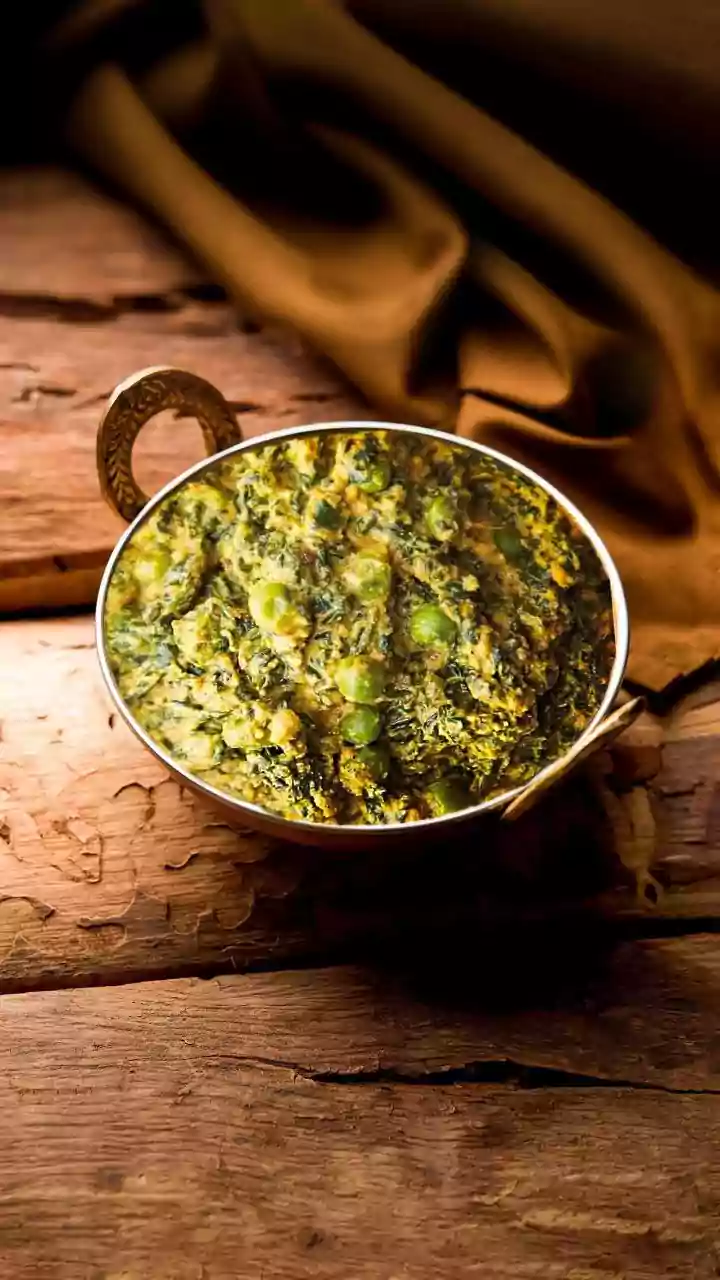
The vada family is vast and diverse, with recipes changing from state to state. In Maharashtra, the Batata Vada—a spiced mashed potato ball coated in gram flour batter and fried—is the star ingredient in the iconic street food Vada Pav. Rajasthan has its fiery Mirchi Vada, a large green chilli stuffed with a spicy potato mix and fried. There are vadas made from semolina (Rava Vada), tapioca pearls (Sabudana Vada), and even spinach (Keerai Vada). This adaptability, using local ingredients and flavours, is a testament to the vada's universal appeal across the Indian subcontinent.
How to Eat a Vada: The Perfect Pairings
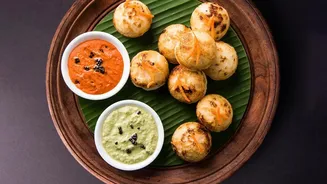
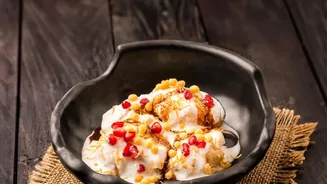
A vada is rarely eaten alone. Its perfect partners elevate the experience. The most traditional accompaniments for a breakfast vada are sambar and chutney. Sambar is a hot and tangy lentil-based vegetable stew, perfect for dipping. Dunking a crispy medu vada into a bowl of sambar allows it to soak up the flavourful liquid, creating a wonderful blend of soft and crisp textures in every bite. Alongside, you'll almost always find coconut chutney, a fresh, creamy, and mildly spiced condiment that provides a cooling contrast to the hot, fried vada. For a Masala Vada, a simple cup of hot tea or coffee is often considered the ideal companion, making it a beloved evening snack.