




An Unlikely Beginning in Sohliya
Over fifteen years ago, strawberry cultivation was a rarity in Meghalaya. The story begins in Sohliya, a small village in the Ri-Bhoi district, which seemed an improbable starting point for a horticultural boom. The journey was pioneered by individuals
like Ostander Lyngkhoi, the village headman, who started experimenting with the fruit around 1998 after seeing early attempts elsewhere. Initially, it was a small-scale, almost hobby-level endeavor. The local Khasi communities were traditionally engaged in farming other crops or working as laborers. The temperate climate of the region, however, proved conducive to the fruit, which typically thrives in cooler temperatures. This humble experiment laid the groundwork for a massive shift in the region's agricultural landscape.
Sowing the Seeds of Change
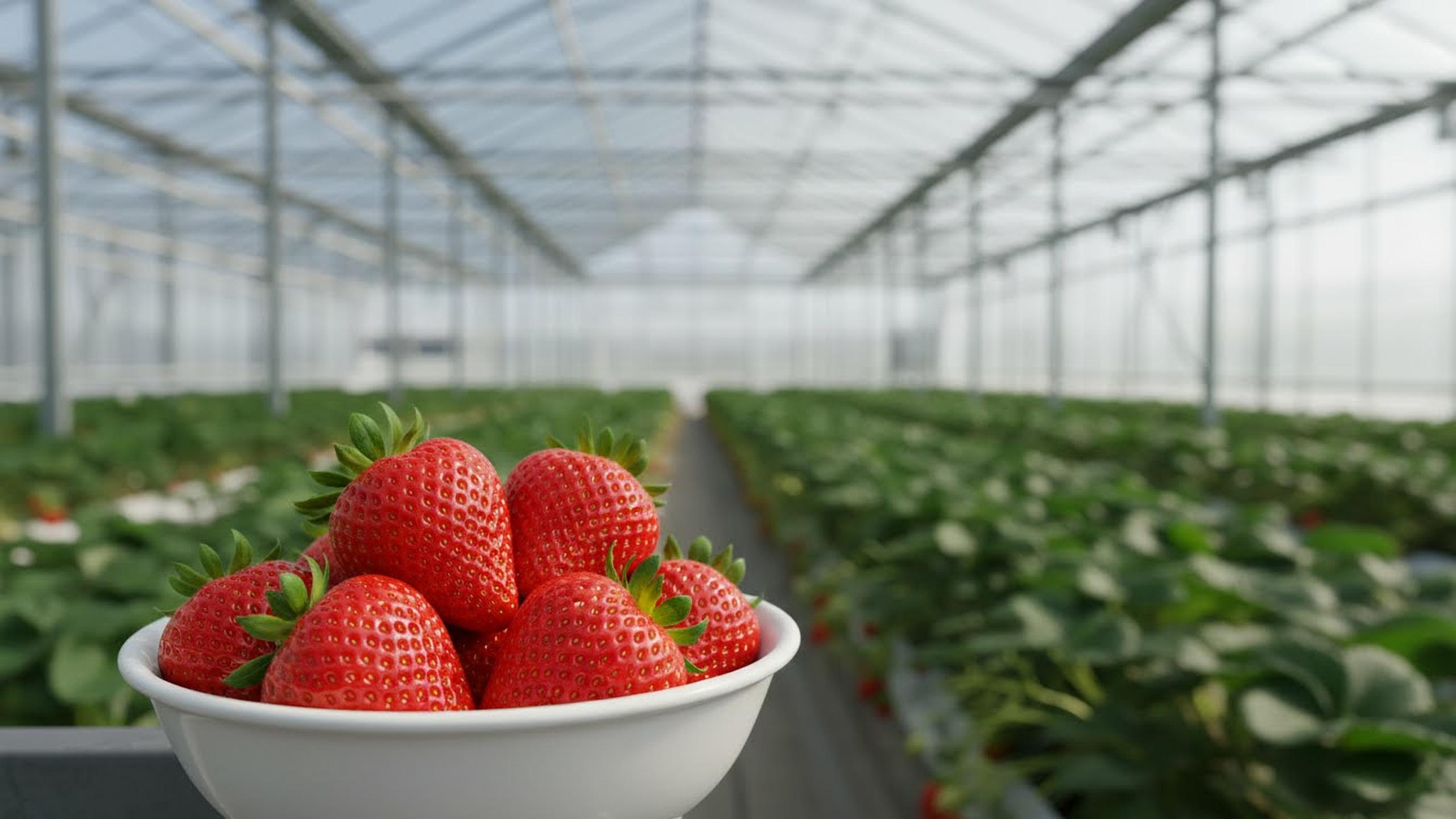
The major turning point came with the intervention of the Technology Mission for the Integrated Development of Horticulture. Implemented around 2004-2005, this government initiative identified the potential of strawberries and selected Sohliya as a hub for cultivation. A Centre of Excellence was established to provide technical support, high-quality seedlings (initially sourced from places like Maharashtra and even California), and training. A key figure, headman O. Lyngkhoi, championed the crop, expanding his own cultivation and encouraging his fellow villagers. His success served as a powerful motivator for others to adopt the new crop and modern farming techniques like drip irrigation.
A Harvest of Prosperity
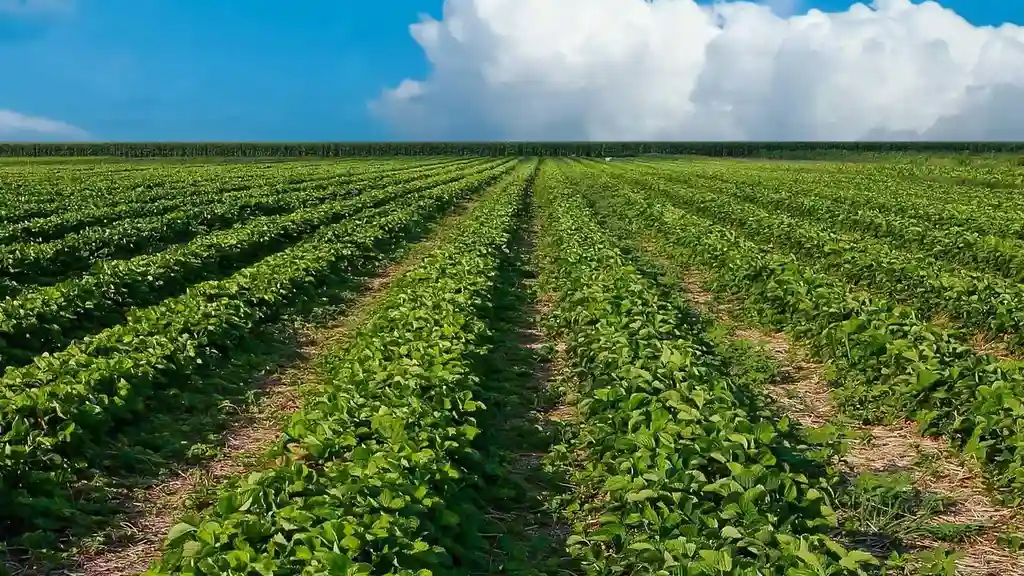
The results have been transformative. Within a few years, Meghalaya became the third-largest producer of strawberries in India. In Sohliya, almost every household—around 66 out of 67 families—became involved in strawberry cultivation. The economic impact has been staggering. Villagers who once earned an average weekly income of ₹400-₹500 saw it jump to between ₹7,000 and ₹9,000. This financial upliftment has enabled families to build better houses, afford better schooling for their children, and access improved healthcare. The total production from Sohliya alone grew from about 125 metric tonnes in 2009 to around 250-300 metric tonnes annually by 2013, with the state's total annual production now estimated at approximately 1,200 metric tonnes.
Beyond the Berry Patch
The success of the strawberry project has had ripple effects far beyond just income. It has spurred local entrepreneurship and created a vibrant agro-tourism scene. The annual Meghalaya Strawberry Festival, held in villages like Sohliya and others, attracts visitors for farm tours and strawberry picking, providing farmers with a direct platform to sell their fresh produce and value-added products like jams and juices. This has also strengthened community bonds, with growers forming associations like the Ri-Bhoi Strawberry Growers Association (RBSGA) to manage cultivation and marketing collectively. The project has become a model for rural development, showing how a high-value crop, combined with institutional support and community participation, can create sustainable livelihoods.
Challenges and the Future
Despite the remarkable success, the journey is not without its challenges. Strawberry farming is capital-intensive and requires specific techniques. Farmers face threats from pests, diseases, and the fruit's high perishability, which makes storage and market linkages crucial. Unpredictable weather and climate change also pose a significant risk to the crop. To counter these issues, there is a push towards developing cold chain infrastructure and processing units. Looking ahead, the Meghalaya government plans to expand cultivation further and even introduce new varieties, such as the Japanese Tochiotome, to strengthen the state's market position and ensure that the sweet success of this indigenous project continues for years to come.