




The Scent of the Earth
The familiar scent released when rain falls on parched earth is known scientifically as petrichor. In India, however, it is more poetically called 'mitti ki khushboo'—the fragrance of the soil. For generations, this evocative aroma, tied to the relief
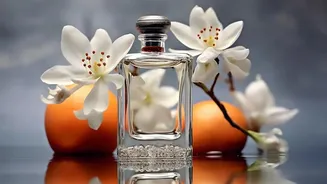
of monsoons after a long, dry summer, has been captured in a unique perfume known as 'mitti attar'. The name itself is simple and direct: 'mitti' means earth, and 'attar' refers to natural, oil-based perfumes. Unlike fragrances that capture flowers or spices, mitti attar bottles a feeling—a deep, grounding sense of nostalgia and renewal that resonates across the subcontinent. It is an elemental fragrance, connecting the wearer to the land itself.
Kannauj: India's Perfume Capital
The heart of this ancient craft beats in Kannauj, a city in Uttar Pradesh. Often called the 'Grasse of India', Kannauj's history with perfume is profoundly deep, with some accounts tracing its roots back over a thousand years to the reign of Emperor Harshavardhana in the 7th century. The city's prominence as a perfumery hub was solidified under the patronage of Mughal emperors, who had a deep appreciation for fine fragrances. For centuries, Kannauj has been the primary, if not exclusive, producer of mitti attar, using traditional methods passed down through generations of artisan families. Today, hundreds of small, family-run distilleries continue this legacy, making the city a living museum of olfactory heritage.
The Art of Distillation
Creating mitti attar is a slow, laborious, and poetic process that has remained largely unchanged for centuries. It begins with collecting clay from the banks of local rivers. This soil is shaped into small, flat discs called 'khaprails', which are then baked in a kiln. These half-baked clay pieces are placed into large copper stills known as 'degs'. Water is added, and the deg is sealed. A fire is lit beneath, and as the water heats, the steam captures the aromatic molecules from the clay. This fragrant steam travels through a bamboo pipe into a receiving vessel, the 'bhapka', which contains a base of pure sandalwood oil. The sandalwood oil, a prized ingredient in itself, absorbs the earthy essence, acting as a natural fixative that allows the scent to last for hours on the skin.
A Tradition in a Modern World
Despite its rich history, the craft of attar-making in Kannauj faces significant challenges. The artisans compete with the global perfume industry's mass-produced, alcohol-based synthetic fragrances, which are cheaper and easier to produce. The rising costs and scarcity of raw materials, particularly pure sandalwood oil, add another layer of pressure. Many artisan families who have practiced this craft for generations are finding it difficult to continue. However, there is a renewed interest in natural and artisanal products. A new generation of entrepreneurs, often from the legacy families themselves, is working to preserve this heritage. They are finding new markets and using storytelling to connect consumers to the history and soul of the craft, ensuring that the scent of the Indian monsoon will not be lost to time.