
What is Ocean Iron Fertilisation?
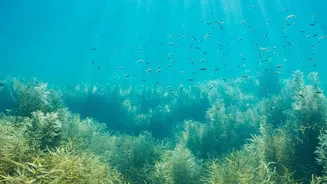
The concept is simple yet ambitious. In vast, nutrient-rich parts of the ocean, particularly the Southern Ocean, the growth of tiny marine plants called phytoplankton is held back by a lack of one key ingredient: iron. Like plants on land, phytoplankton absorb
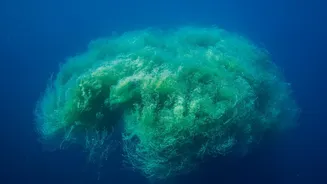
carbon dioxide (CO2) through photosynthesis. The idea behind iron fertilisation is that adding small amounts of iron to these 'anaemic' ocean regions could trigger massive phytoplankton blooms, big enough to be seen from space. This would, in theory, draw huge amounts of CO2 from the atmosphere. When these phytoplankton die, they sink, carrying the captured carbon with them to the deep ocean, where it could be stored for decades or even centuries. This process is often called the 'biological carbon pump'.
The Promise and the Problem
Early experiments and natural events, like volcanic eruptions or dust storms blowing over the sea, have shown that this works—to an extent. Adding iron does cause phytoplankton to bloom. However, the bigger question has always been about efficiency and side effects. How much of that captured carbon actually makes it to the deep sea and stays there? And what happens to the marine ecosystem when we deliberately engineer it on such a massive scale? This is where recent studies have poured some cold water on the idea of it being a miracle cure for climate change.
New Studies Reveal Critical Limits
The latest research, utilising advanced computer models, paints a more complicated picture. One major finding is that the benefits are smaller than hoped. A 2023 study suggested that even a highly efficient, large-scale fertilisation project would only remove a fraction of our current annual emissions, equivalent to less than five years' worth of CO2 at current rates. A key reason for this limited impact is 'nutrient robbing'. By stimulating a bloom in one area, fertilisation can use up other essential nutrients like silicates. Ocean currents then carry this nutrient-depleted water elsewhere, potentially starving phytoplankton in other regions and simply shifting productivity from one place to another.
Unintended Consequences for Marine Life
Perhaps the most concerning findings from new modelling studies revolve around the unintended ecological consequences. Research published in 'Global Change Biology' showed that fertilising the Southern Ocean could worsen the effects of climate change on tropical marine ecosystems. The models projected that this process could amplify the decline in fish and other marine animal biomass by about a third, on top of declines already expected from climate change. This could have devastating impacts on coastal fisheries in tropical regions, which millions of people rely on for food and livelihoods. Furthermore, large-scale blooms can lead to the creation of low-oxygen 'dead zones' as the massive amount of dead phytoplankton decompose, and could potentially increase the production of other powerful greenhouse gases like nitrous oxide.
Is the Carbon Sequestration Even Permanent?
Another significant limit is the permanence of the carbon storage. For the technique to be effective, the carbon must sink deep below the ocean's mixing layer, typically around 1,000 meters. However, recent analysis suggests that a large percentage of carbon that sinks to these depths can be re-exposed to the atmosphere in less than 40 years due to ocean circulation. This makes verification incredibly difficult. Tracking where the carbon goes and ensuring it stays put for centuries is a massive technical challenge, leading some major climate solution assessors, like Project Drawdown, to not recommend the practice given its low effectiveness and high risks.