


The Foundation: Soft and Fluffy Poha
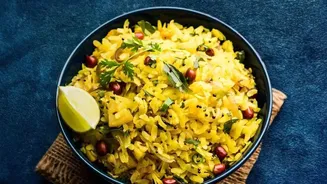
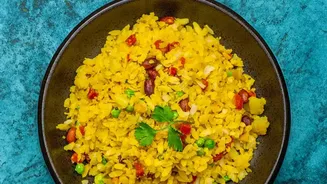
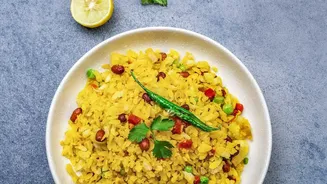
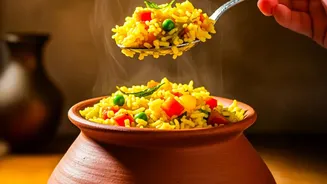
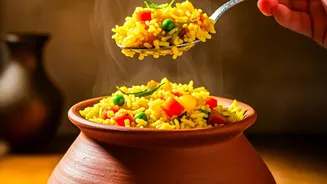
The heart of the dish is, of course, the poha itself. But Indori poha stands apart from other regional variations. Here, the flattened rice isn't sautéed or fried directly with the other ingredients, which can sometimes make it dry. Instead, it is steamed,
often in large vessels over a pot of boiling water. This gentle cooking method is the secret to its signature texture: incredibly soft, light, and fluffy, with each flake separate and moist. The poha is lightly seasoned with turmeric, salt, a little sugar, and a tempering of mustard and fennel seeds, creating a delicately sweet and savory base that is perfectly primed for the layers of flavor to come.
The Crunch: A Generous Handful of Sev
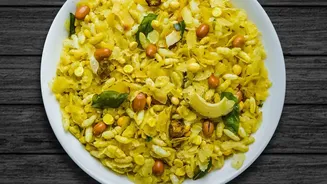
The first and most crucial topping is the sev. This isn't just any sev; it's typically a spicy variety like Ratlami or Indori sev, which is finer and more flavorful than standard versions. A generous handful is sprinkled over the hot, soft poha, providing an immediate and satisfying textural contrast. The crunch of the crispy chickpea flour noodles against the melt-in-the-mouth poha is a core part of the experience. This layer also introduces a salty and sometimes spicy kick, often enhanced by a special spice mix known as Jeeravan masala, a tangy and aromatic blend unique to the region.
The Zest: Fresh Onion and A Squeeze of Lemon
Next comes the fresh, sharp bite of raw toppings. Finely chopped onions are scattered across the sev, adding another layer of texture and a pungent freshness that cuts through the richness of the dish. Alongside the onions, a generous squeeze of fresh lemon juice is essential. The acidity of the lemon brightens all the flavors, balancing the savory poha, the spicy sev, and the sweetness from the sugar and fennel seeds. Some vendors also add fresh coriander and vibrant pomegranate seeds, adding herbal notes and little bursts of sweetness.
The Surprise Pairing: A Side of Hot Jalebi
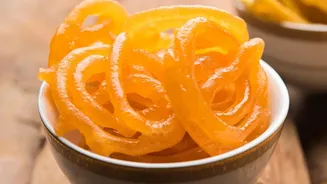
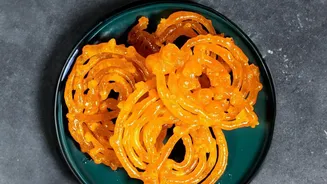
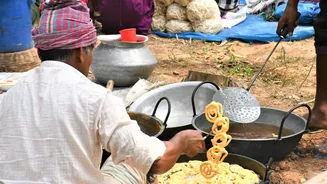
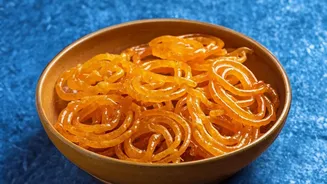
What truly elevates Indori poha from a simple breakfast to a culinary event is its classic pairing: hot, crispy, syrup-soaked jalebi. This sweet and savory combination is a hallmark of Indore's street food culture. Taking a bite of the savory, tangy, and spicy poha, followed by a piece of the warm, sugary jalebi, creates a flavor explosion that is both unexpected and deeply satisfying. This pairing might seem unusual to outsiders, but for Indoris, the two are inseparable, representing a perfect balance of tastes that defines the city's breakfast ritual.
More Than Just Breakfast
In Indore, poha is not just a meal; it's a cultural identity and a way of life. Street vendors with their large steamers are a common sight every morning, serving thousands of plates to people from all walks of life. It's an affordable, accessible, and filling dish that has become the city's unofficial welcome for newcomers and a source of nostalgia for residents. While the dish's roots may trace back to Maharashtra, Indore has made it completely its own through its unique preparation and toppings, turning a humble dish into a celebrated symbol of the city.