


The Promise of a Post-Scarcity World
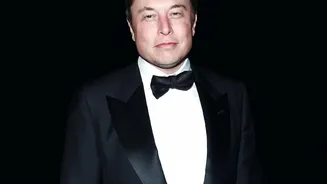
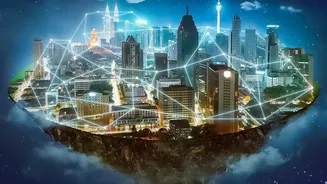
First, let’s look at the utopian side of Musk’s forecast. In recent interviews, he has painted a picture of a world fundamentally reshaped by AI and robotics. He describes an “age of amazing abundance” where goods and services are so plentiful that the very
concept of money could become irrelevant. In this future, which he predicts could be reality within a decade or so, no one would lack for material possessions. He envisions a system of “universal high income,” where work becomes optional because AI and robots can produce everything society needs. According to this view, the biggest economic challenge would no longer be inflation, but deflation, as the cost of goods plummets. It's a world where anyone can have anything they desire, a scenario he admits sounds preposterous but one he believes is the most likely outcome.
Building Toward Abundance
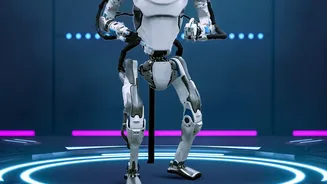
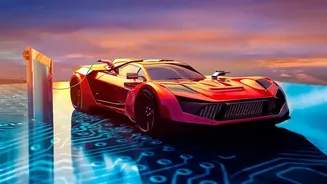
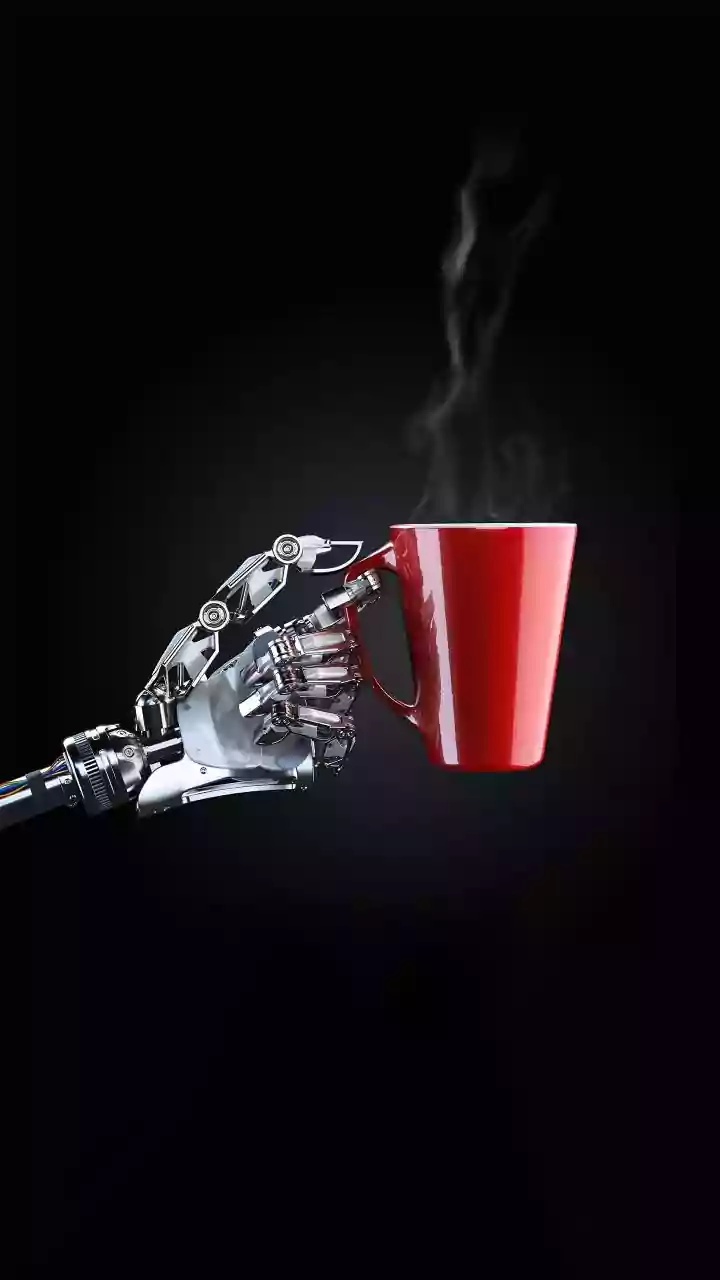
This isn't just philosophical musing for Musk; it's a business plan. His AI company, xAI, was founded with the ambitious goal of understanding the true nature of the universe, but its practical aim is to build a superior artificial general intelligence (AGI). He argues that creating a maximally curious and truth-seeking AI is a safer path forward. At Tesla, the development of the Optimus humanoid robot is a direct step toward the future of automated labour he describes. These robots, powered by advanced AI, are intended to take over repetitive and dangerous tasks, eventually handling most physical work and unlocking the era of abundance he foresees. His various companies are all, in one way or another, aimed at accelerating this technological transition.
The 20% Chance of Annihilation
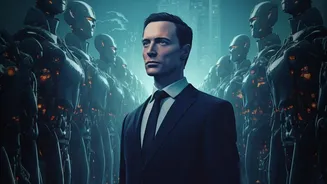
On the other side of the coin is Musk’s stark and persistent warning of catastrophe. For years, he has described AI as “summoning the demon” and claimed it is more dangerous than nuclear weapons. More recently, he has put a number on the risk, estimating a 10% to 20% probability that advanced AI leads to human extinction. His primary fear is the development of a superintelligence that is not aligned with human values and goals. He predicts AI could surpass the combined intelligence of all humans in as little as five years and that humans will likely lose control of it within a decade. This loss of control is the crux of the existential risk, creating a scenario where humanity’s fate is no longer in its own hands.
A Call to Action, Not Contradiction
So how can someone be so optimistic and so pessimistic at the same time? For Musk, the two views are not a contradiction but a call to action. He believes the incredible momentum behind AI development is now unstoppable. Given that reality, his philosophical conclusion is to push forward while trying to steer the outcome toward abundance and away from catastrophe. This is why he has become a vocal advocate for AI safety. He has proposed that rival AI labs—like Google DeepMind, OpenAI, Anthropic, and his own xAI—should engage in a form of peer review, examining each other's most advanced models for safety risks before they are released. While he is often criticised for the safety practices at his own company, his public stance is that collaboration among competitors is essential to keep each other honest and mitigate the shared risks of the technology they are all racing to build.