






A New Leader in the Skies
The long-reigning king of international air travel has been dethroned. In a landmark shift for the aviation industry, South Korea’s Incheon International Airport (ICN) has officially overtaken London Heathrow (LHR) as the world's busiest hub for international passengers.
According to preliminary data from Airports Council International for the first half of 2026, Incheon processed a remarkable 38.4 million international travelers. This figure edged out Heathrow's 37.79 million passengers, marking the first time the South Korean airport has claimed the top spot. The change at the top of the leaderboard is more than just a statistical blip; it is the result of long-term trends and specific strategies that have seen Incheon rapidly ascend the global rankings, moving from 10th place in 2002 to the top position just 25 years after it first opened. This ascent highlights a powerful combination of strategic infrastructure investment and a massive surge in South Korea's global appeal.
Incheon’s Strategy of Aggressive Growth
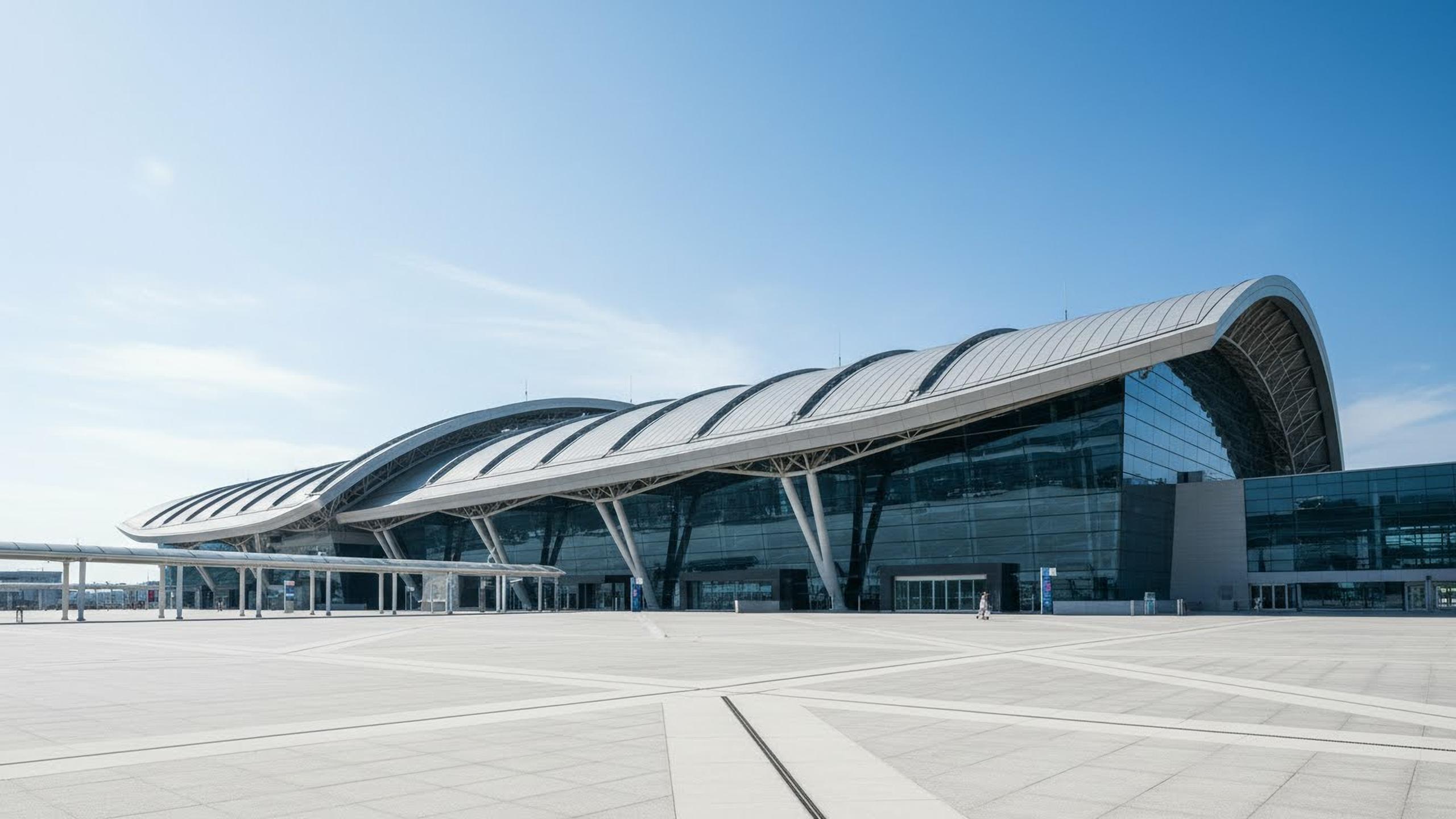
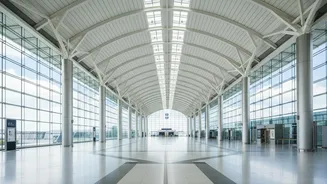
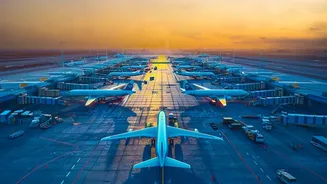
Incheon's rise was not accidental; it was engineered. While other airports faced bottlenecks, Incheon was building for the future. The completion of its massive four-phase expansion project in late 2024 gave it the capacity to handle over 100 million passengers annually, creating one of the largest and most modern airport infrastructures in the world. This expansion was crucial for accommodating a surge in demand and positioning the airport as a premier global hub.
Beyond sheer size, Incheon has pursued a forward-thinking strategy outlined in its 'Vision 2040' plan, aiming to transform itself from a simple transit point into a hub of technological innovation and culture. The airport’s management also capitalized on shifting global dynamics. Recent geopolitical tensions that diverted traffic from some Middle Eastern hubs created an opportunity, and Incheon was perfectly positioned to absorb that demand, seeing its transfer passenger numbers climb by 18 percent.
The K-Culture Jet Fuel
Powering Incheon’s passenger boom is a phenomenon that extends far beyond aviation: the K-Wave. The global explosion of South Korean pop culture—from K-pop and K-dramas to food and beauty—has transformed the country into a top-tier tourist destination. This is not just casual interest; it is a powerful economic driver. In June 2026, South Korea reported a tourism balance surplus of nearly $600 million, its best result in almost two decades, largely attributed to the cultural boom.
Travelers are no longer just passing through; they are coming specifically for the Korean experience. Reports show that culture-driven visitors are now a significant portion of arrivals, staying longer and spending more. This influx of tourists, drawn by everything from a desire to visit drama filming locations to attending K-pop concerts, has provided a steady and growing stream of passengers for Incheon, turning cultural influence directly into passenger traffic.
Heathrow’s Battle with Capacity
While Incheon was expanding, Heathrow has been struggling with a very different problem: its own success. For years, the London hub has been a victim of its constrained capacity, operating at nearly 100% of its potential even before the pandemic. With only two runways, its ability to grow has been severely limited, a fact that has made it vulnerable to fast-growing competitors.
The long and contentious debate over the construction of a third runway has left Heathrow in a state of strategic limbo. Despite government approval years ago, the project has been repeatedly stalled by legal and environmental challenges, with no realistic prospect of completion before the mid-2030s. This has created an opening for other airports, not just Incheon but also hubs like Istanbul, to capture traffic that Heathrow simply cannot accommodate. The London airport's predicament serves as a case study in how infrastructure constraints can cap the growth of even the most established players.
A Symbol of Shifting Global Tides
The swapping of the top spot between Heathrow and Incheon is more than a story about two airports. It is a clear indicator of a broader shift in the world’s economic and cultural center of gravity. Heathrow, a symbol of the established Western order for decades, represents a model of a mature, heavily regulated, and constrained hub. Incheon, by contrast, embodies the dynamism and ambition of Asia’s rising economies, showcasing a model built on forward-looking investment, technological adoption, and the strategic use of cultural soft power.
The divergence between the two is stark. While one navigates the complex politics of expansion in a dense urban environment, the other leverages vast land reclamation and national support to build for a future it is actively shaping. This moment reflects the changing patterns of global trade, tourism, and influence, where the primary corridors of movement are increasingly oriented toward Asia.