


Why We Rotate in the First Place
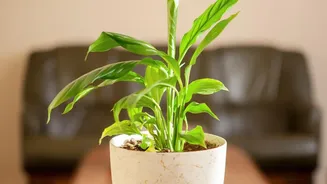
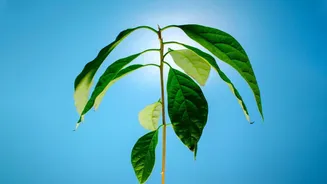
The fundamental reason for rotating houseplants is to combat a natural process called phototropism. This is the tendency for plants to grow towards their light source. In our homes, that light usually comes from a window on one side. Over time, the side facing
the light grows faster and denser, while the shaded side becomes sparse and leggy. This is driven by plant hormones called auxins, which accumulate on the shaded side, causing those cells to elongate and the plant to literally bend towards the sun. Regular rotation counteracts this by giving every part of the plant its turn in the sun, encouraging balanced, upright, and symmetrical growth.
The Problem with a Fixed Schedule
So, why not just turn your plant a quarter-turn every Sunday? While it’s a popular tip, a rigid schedule ignores the plant's immediate condition and environment. A plant is a living organism responding to dynamic conditions, not a static object. Rotating a plant that is already stressed—for instance, one that is severely dehydrated or suffering from temperature shock—can do more harm than good. A sudden 180-degree turn can also shock a plant, potentially causing leaf drop or stunted growth. Instead of blindly following a calendar, a more intuitive approach is to let the plant and its environment tell you when it’s time for a turn. This means checking three key factors first: soil, light, and temperature.
Check One: Soil Moisture
Before you even think about turning that pot, check the soil. A good practice is to tie rotation to your watering schedule, but only if the plant actually needs water. The side of the plant facing a sunny window may have faster soil moisture evaporation. Rotating can help equalize water distribution in the root system over the long term. However, the most important rule is to water before you rotate, not after. This minimizes stress. A thirsty plant is already under duress; forcing it to reorient its leaves to a new light source adds another layer of strain. Get in the habit of feeling the soil first. If it’s bone dry, give it a good watering, let it recover for a bit, and then make your turn.
Check Two: Light Cues
Your plant’s posture is its loudest signal. Is it visibly leaning or reaching towards the window? Are the leaves on one side larger and more vibrant, while the other side looks a bit bare? These are classic signs of phototropism in action, telling you it’s time to rotate. The goal is to make a gentle quarter-turn (90 degrees) to expose a new side to the dominant light source. This gradual shift is less shocking than a sudden half-turn. Over a few weeks or months, these small, consistent rotations will encourage the plant to straighten up and fill out evenly. If your plant is under an even, overhead grow light, rotation might not be necessary at all.
Check Three: Temperature and Airflow
Your home has microclimates. The area near a drafty window, a heating vent, or an air conditioner can be drastically different from the rest of the room. These external factors can affect one side of a plant more than the other, influencing its health and growth. For example, a constant cold draft can stress foliage, while a blast from a heater can dry it out. Rotating your plant ensures that no single part bears the brunt of these environmental pressures. It also improves air circulation around all parts of the foliage, which can help prevent stagnation and reduce the risk of pests or fungal issues. So, take a moment to assess if one side is exposed to a vent or draft before you decide to turn it.
When Not to Rotate
There are a few exceptions to the rotation rule. The most critical is for flowering plants that have already started to form buds, like orchids or Christmas cacti. Rotating them at this stage can confuse the plant, which has committed its energy to blooming in a specific orientation, and may cause it to drop its buds. Once the flowering is over, you can resume gentle rotations. Similarly, if you have carefully trained a climbing or trailing plant in a particular direction, rotating it might undo your hard work. For most other leafy houseplants, however, listening to the cues of soil, light, and temperature is the surest path to a healthier, happier plant.