

More Than Just a Dance Party
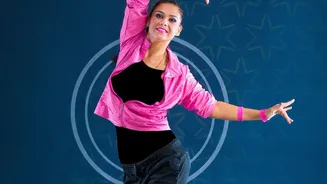
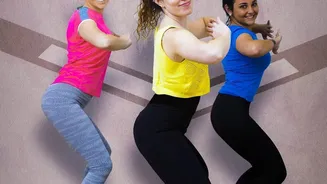
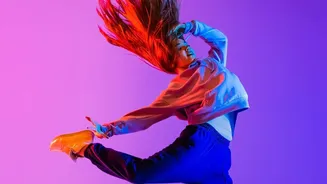
Zumba is a fitness program that combines Latin and international music with dance moves. But behind the party-like atmosphere lies a structured and effective workout. A typical hour-long class is built on the principles of interval training, alternating
between high-energy, fast-paced songs and slower, more controlled routines. This work-and-recovery pattern is designed to keep your heart rate elevated while giving you brief periods to catch your breath. This method not only keeps the workout engaging but also makes it a potent tool for building endurance and burning calories. Studies show that a standard Zumba class is a moderate-to-vigorous intensity exercise, comparable to cardio kickboxing or step aerobics.
A Cardiovascular Powerhouse
The core of Zumba's effectiveness lies in its cardiovascular benefits. The constant movement, involving the entire body, places a healthy demand on your heart and lungs. Research has found that during a class, participants exercise at around 80% of their maximum heart rate. This level of intensity is ideal for improving aerobic fitness, strengthening the heart muscle, and enhancing blood circulation. On average, a person can expect to burn between 350 to 650 calories in a one-hour class, though this varies based on individual factors like weight and intensity. Consistent participation in Zumba can lead to lower blood pressure, reduced bad cholesterol, and an overall lower risk of heart disease, making it a fun and effective way to meet weekly aerobic exercise recommendations.
A Workout for Your Brain
While the physical benefits are significant, Zumba is also a formidable workout for your brain. Learning and executing choreographed dance routines requires a high degree of coordination. This process challenges your brain to create and strengthen neural pathways, enhancing communication between your mind and muscles. Following the instructor's cues, remembering step sequences, and moving in time with the music all contribute to improved proprioception—your body's awareness of its position in space. This mental engagement can lead to better memory, focus, and problem-solving skills. Dance fitness stimulates the release of brain-derived neurotrophic factor (BDNF), a protein that promotes the health of neurons, and endorphins, which reduce stress and improve mood.
Finding the Right Intensity for You
One of the key strengths of the Zumba program is its variety, which allows participants to choose a class that matches their fitness level and goals. The classic Zumba class provides a great all-around cardio workout. For those seeking more intensity, Zumba Step incorporates step aerobics to further target the legs and glutes, while Zumba Toning uses lightweight, maraca-like Toning Sticks to add resistance and build muscle strength. On the other end of the spectrum, Zumba Gold is designed specifically for older adults or beginners, offering modified, lower-impact movements that focus on balance and coordination without sacrificing the fun. Aqua Zumba takes the party to the pool, providing a high-resistance, low-impact workout that's easy on the joints.
What to Expect in Your First Class
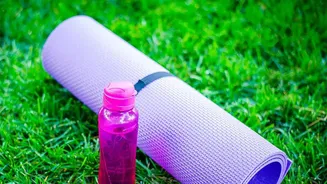
Walking into your first Zumba class can feel intimidating, but the environment is typically designed to be welcoming and non-judgmental. Don't worry about getting every step right immediately; instructors often emphasize that the goal is to keep moving and have fun. It's common for beginners to focus on the footwork first and add the arm movements later as they become more comfortable. Most classes begin with a warm-up to prepare your body and end with a cool-down featuring stretches. Wear comfortable, breathable workout clothes and supportive athletic shoes. Bringing a water bottle is essential, as you'll be sweating more than you might expect. After two or three classes, you'll likely start to recognize the core rhythms and feel more confident in your movements.