



The Indian Vegetarian Paradox
A vegetarian diet is often seen as a direct path to good health. In principle, a plate filled with plant-based foods should be protective. However, India faces a significant diabetes epidemic, with millions living with or at risk for the condition. This
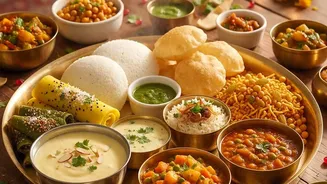
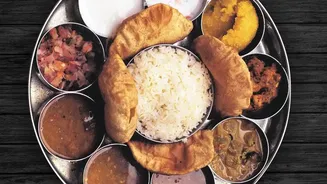
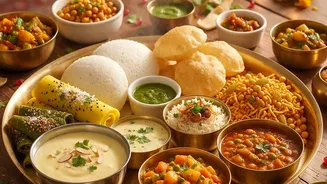
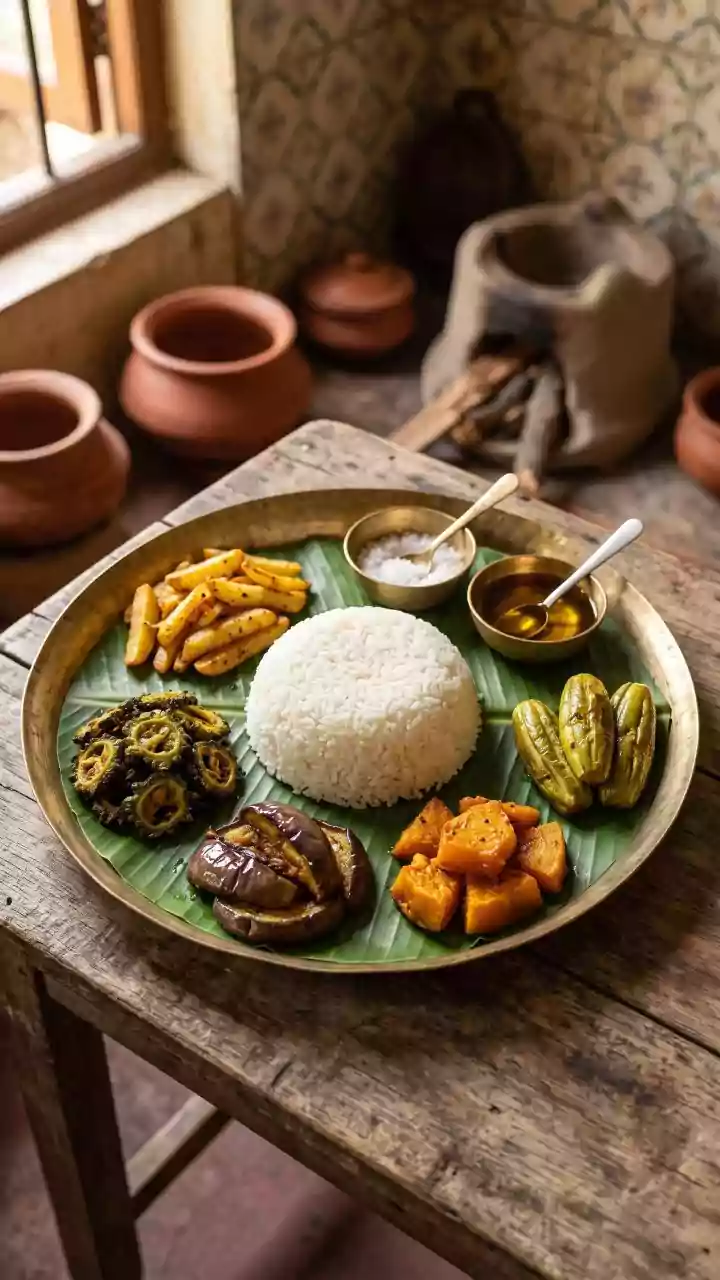
contradiction is sometimes called the 'Indian vegetarian paradox'. The issue isn't vegetarianism itself, but rather the nutritional composition of the modern Indian vegetarian plate. Traditional diets were once rich in whole grains, lentils, and vegetables. Today, many meals are dominated by refined carbohydrates like polished white rice, maida-based breads (naan, paratha), and potatoes, often with smaller portions of dal and vegetables. This shift has created diets that can be high in calories and quick-releasing sugars, even without meat.
Not All Carbohydrates Are Created Equal
The word 'carbohydrate' often gets a bad reputation, but carbs are the body's primary fuel source. The key is quality. Indian meals are frequently built around carbohydrates, which can contribute over 60% of total daily calories. Problems arise when these are 'refined' or 'simple' carbs. Polished white rice, maida, and sugar are digested very quickly, causing a sharp and rapid spike in blood glucose levels. Over time, these repeated spikes can lead to insulin resistance, a condition where the body's cells don't respond effectively to insulin, which is a major precursor to type 2 diabetes. In contrast, complex carbohydrates, found in whole grains and legumes, are broken down slowly, providing a steadier release of energy.
Fibre: The Unsung Hero on Your Plate
This is where dietary fibre becomes critically important. Fibre is a type of carbohydrate that the body cannot digest. Instead of being broken down into sugar, it passes through the digestive system, playing a crucial role in health. Soluble fibre, which dissolves in water to form a gel-like substance, is particularly beneficial for diabetes management. It acts like a speed bump, slowing down the digestion and absorption of sugar into the bloodstream, which helps prevent those sharp glucose spikes after a meal. Studies have consistently shown that higher dietary fibre intake is linked with improved blood sugar control and insulin sensitivity. Essentially, fibre helps you manage the impact of the carbohydrates you eat.
Simple Swaps for a Fibre-Forward Diet
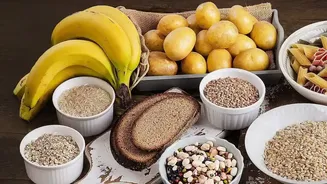
Increasing fibre intake doesn't require a complete dietary overhaul. It's about making smarter, sustainable swaps within the framework of familiar Indian meals. Start by shifting the proportions on your plate: aim to fill half your plate with vegetables, a quarter with protein, and a quarter with whole grains. Swap polished white rice for brown rice, millets (like jowar, bajra, ragi), or whole wheat dalia. Choose whole wheat or millet rotis over those made with maida. Make legumes the star of your meals; rajma, chole, and different types of dal are excellent sources of both fibre and protein. Incorporate a simple salad (kachumber) with your lunch and dinner, and snack on fruits with skin, nuts, or roasted chana instead of fried items.
Rethinking Your Daily Meals
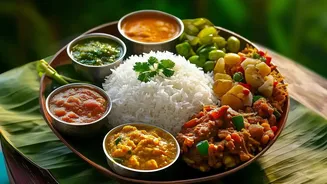
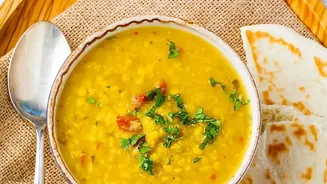
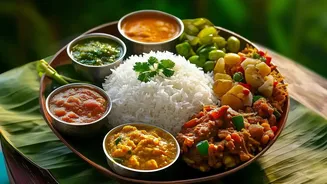
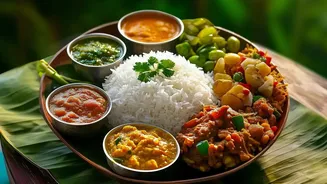
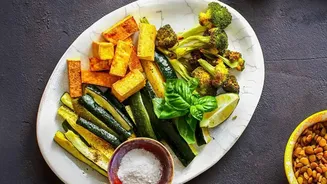
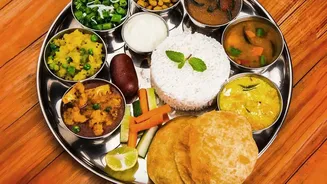
Let's put this into practice. For breakfast, instead of poha made from flattened white rice, consider a version made with millets or an oats upma. A moong dal chilla packed with vegetables is another fantastic, high-fibre option. For lunch and dinner, a katori of dal, chole, or rajma can provide a significant portion of your daily fibre needs. Pair it with a generous serving of a seasonal vegetable sabzi like bhindi, gobi, or leafy greens, which are also good fibre sources. By focusing on including a vegetable and a pulse with every main meal, you naturally balance the carbohydrate content of rice or roti. The goal is a colourful, balanced thali where refined grains no longer take up the most space.