

An Expanded and Electrified Garage
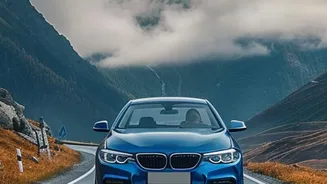
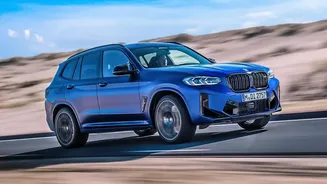
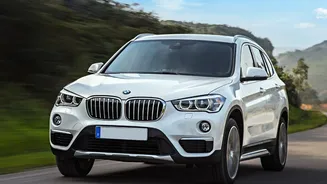
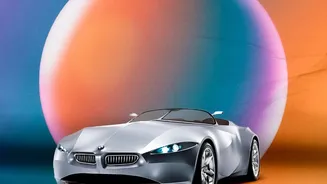
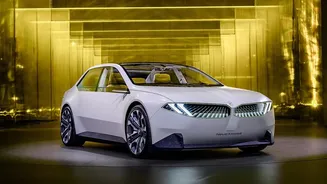
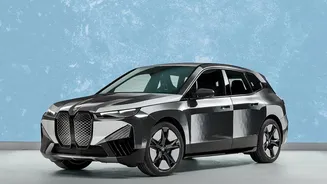
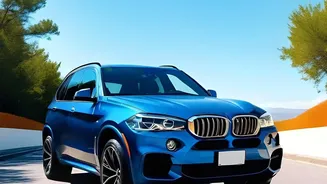
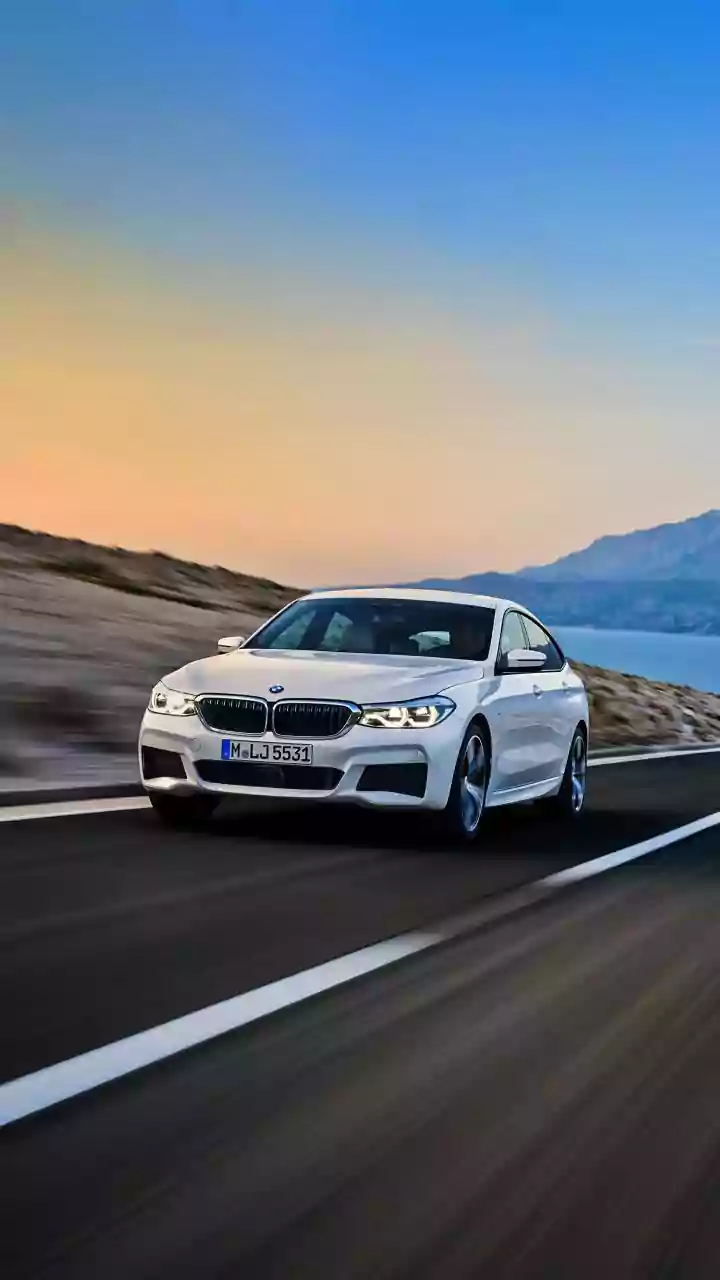
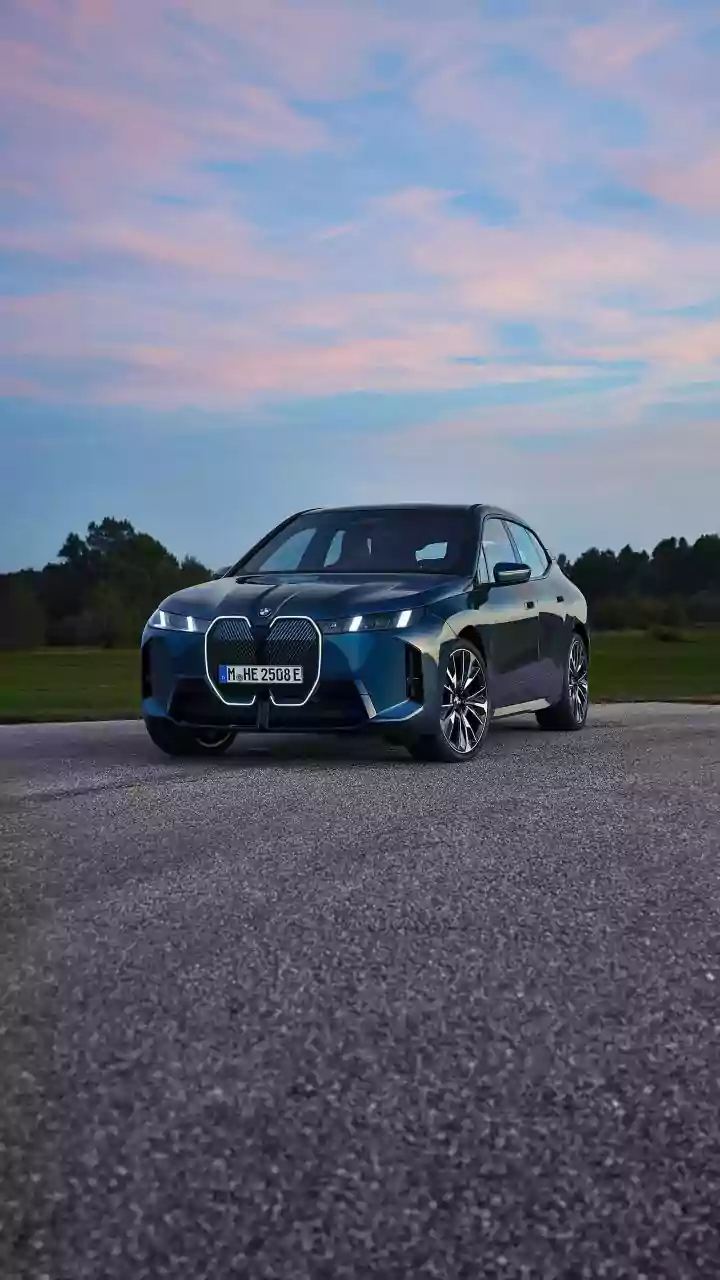
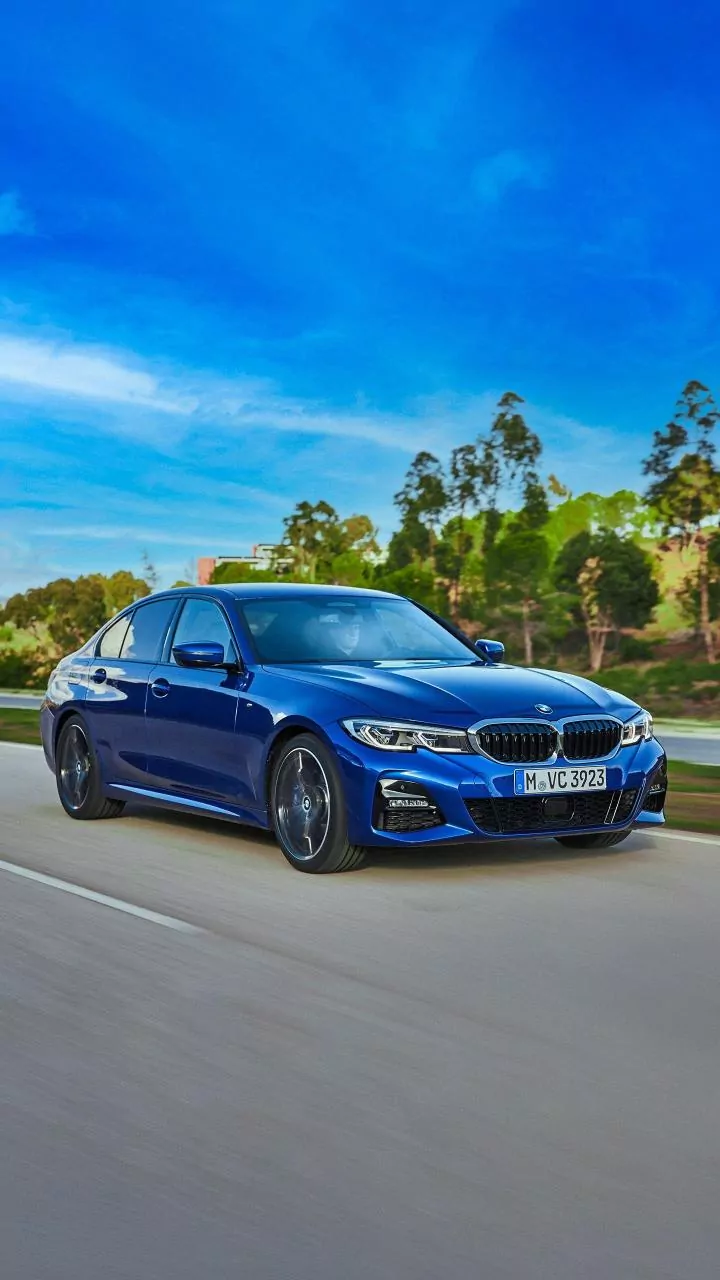
At the heart of BMW's strategy is an unprecedented product offensive. For 2026, the company has planned a staggering number of new launches, including all-new models, facelifts, and special editions. This aggressive push aims to fill every possible niche
in the luxury segment. A significant part of this expanded portfolio is the focus on electric vehicles (EVs). BMW has seen remarkable growth in its EV sales, with a 78% year-on-year increase in the first half of 2026. Models like the iX1, i4, and i7 are leading the charge, and upcoming launches like the i5 Long Wheelbase are expected to further bolster its electric lineup. This EV focus has been a key driver of its recent growth, positioning BMW as an early mover in the premium electric space and helping it close the gap with its primary rival, Mercedes-Benz. The product blitz isn't limited to EVs; it also includes updates to popular SUVs and sedans, alongside performance-oriented M models and an expanded lineup for its MINI brand.
Beyond the Metros
While a broader product range is crucial, BMW's second strategic pillar is geographic expansion. The company is moving beyond the traditional metropolitan hubs and making a concerted push into Tier-2 and Tier-3 cities. By the end of 2026, BMW plans to expand its retail presence to 50 cities across India. This includes opening new showrooms and service touchpoints in places like Lucknow, Jaipur, Ranchi, and Jodhpur. This move is a direct response to the changing profile of the Indian luxury car buyer. A growing number of affluent customers in these emerging cities are driving demand, and having a physical presence is essential for capturing this market. The expansion also applies to the MINI brand, which is set to double its network and target a significant increase in sales, partly by leveraging local assembly for models like the Countryman C to make pricing more competitive.
The 'Why Now' Strategy
This dual-pronged expansion is happening for a reason. The Indian luxury car market is in a phase of robust growth, projected to expand significantly over the next decade. In the first half of 2026, the market grew by 4%, with BMW itself posting a record 17% growth in sales, the fastest in the segment. According to Vahan retail registration data, BMW even overtook Mercedes-Benz in sales for the first half of the year, signaling a major shift in market dynamics. The company's leadership has noted that this aggressive strategy is paying off, with many of the new models launched in 2026 already sold out. By offering a wider choice of vehicles, particularly in the fast-growing EV segment, and making them accessible to a new class of buyers in emerging cities, BMW is aiming to solidify its market position and challenge for the number one spot.
The Competitive Road Ahead
BMW's ambitious push does not exist in a vacuum. Its main rival, Mercedes-Benz, remains a formidable leader in overall deliveries and also achieved its best-ever H1 sales in 2026, driven by strong demand for models like the E-Class and its own growing EV portfolio. The competition is fierce, with both German giants fighting for every customer. However, BMW's strategy appears to be giving it a distinct edge in momentum. Its early and strong bet on a diverse EV lineup has resonated with a market increasingly open to electric mobility. Furthermore, the focus on expanding into non-metro areas could provide a crucial first-mover advantage in untapped markets. The success of this strategy will depend on execution—managing supply chains, ensuring a premium customer experience in new locations, and continuing to launch products that align with the specific desires of Indian consumers, such as a preference for spacious, feature-loaded vehicles.