

What is an 'Evening Elongation'?
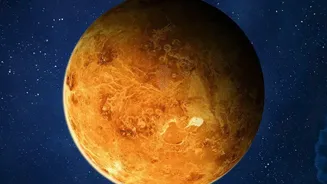
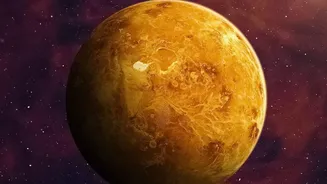
In simple terms, an 'elongation' is when a planet appears at its farthest point from the Sun in our sky. Venus, being closer to the Sun than Earth, is always seen near it — either trailing the sunset in the evening or preceding the sunrise in the morning..
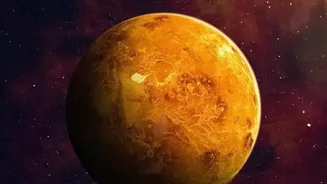
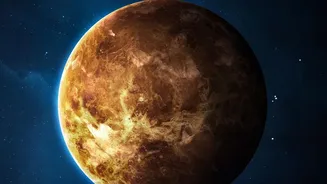
On August 15, 2026, Venus will reach its 'greatest eastern elongation'.. This means it will be at its maximum angular distance from the Sun for this cycle, making it hang higher and longer in the western sky after sunset.. Think of it as Venus stepping out from behind the Sun's glare and into the spotlight for us to admire. This event happens roughly every 584 days, making it a special occasion for sky-watchers..
Why This is a Prime Viewing Opportunity
Greatest elongation is the peak time to view Venus for several reasons. Firstly, the planet will be high enough above the horizon to be clear of many buildings and trees. Secondly, it will remain visible for a longer period after the sun goes down, allowing the sky to darken and Venus to shine even more brightly against the twilight.. On August 15, Venus will be at a dazzling magnitude of -4.4, making it the brightest object in the night sky aside from the Moon.. It will be so bright, in fact, that you'll be able to spot it easily even before the sky is completely dark.. For those with a telescope, Venus will appear as a tiny, half-illuminated disc, similar to a quarter moon..
A Simple Guide: How to See Venus
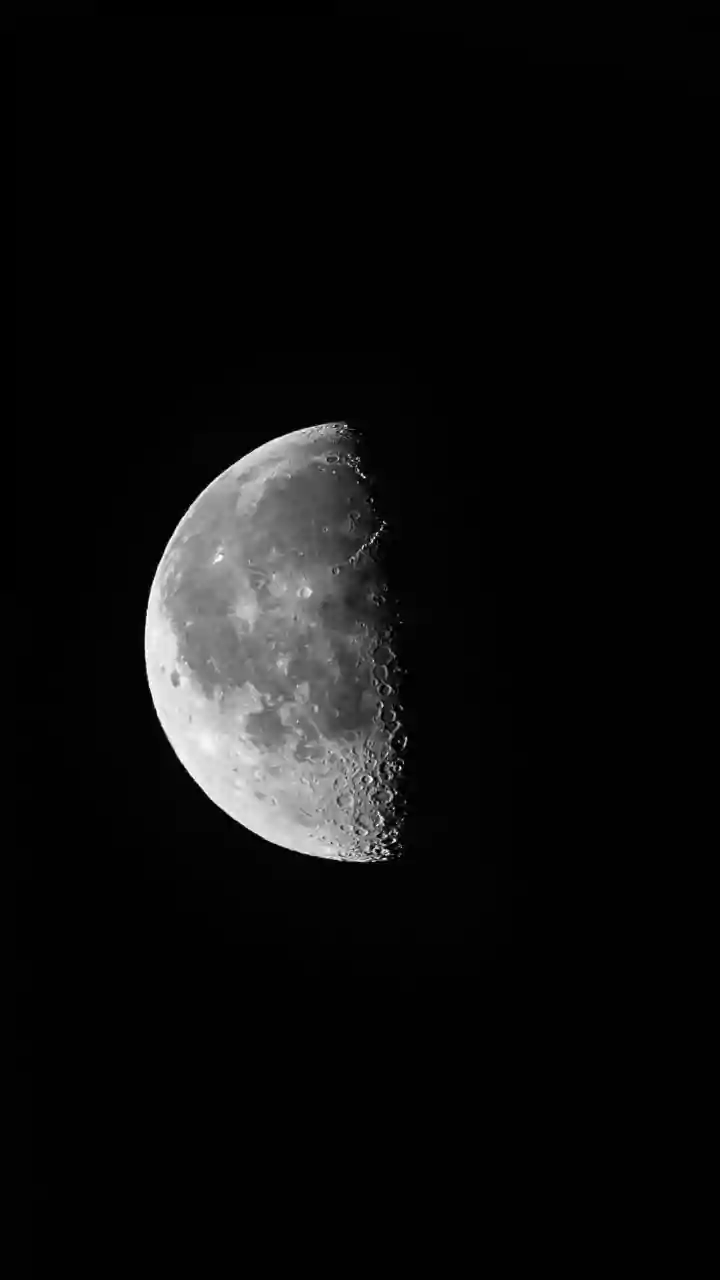
Spotting Venus on the evening of August 15 and the surrounding days will be incredibly easy. Here’s what to do: shortly after the sun sets, simply face west.. Look for the most brilliant, steady point of light shining through the twilight glow.. That’s Venus. You can't miss it. Unlike stars, which twinkle because of atmospheric disturbance, Venus shines with a constant, silvery light. This is because planets are much closer to us and appear as tiny discs rather than pinpoints. The crescent Moon will also be nearby on the evenings of August 15 and 16, adding another beautiful element to the celestial scene.. For precise sunset times in your specific location in India, you can check online resources like timeanddate.com..
Do I Need a Telescope?
Absolutely not. This is a fantastic naked-eye event, perfect for anyone and everyone, from curious children to seasoned adults. The sheer brightness of Venus makes it easily visible without any special equipment.. However, if you have a pair of binoculars, it's worth pointing them at Venus. Binoculars will make the planet appear as a more distinct and brighter object, helping you appreciate its brilliance even more. They will also help you hold it steadier in your view. If you have access to a small telescope, you'll be rewarded with a view of Venus’s phase, where it looks like a miniature half-moon.. But the true magic of this event is its accessibility — all you need to do is step outside and look up.
Tips for the Best Viewing Experience
To make the most of this celestial show, a few simple preparations can help. First, try to find a location with a clear, unobstructed view of the western horizon.. While Venus will be high, getting away from tall buildings or hills is always a good idea. Second, while Venus is bright enough to cut through city lights, your experience will be more immersive if you can get to a darker spot like a park or the outskirts of town.. Give your eyes about 15-20 minutes to adjust to the darkness; this will help you see not only Venus in all its glory but also the surrounding stars as they begin to appear.. Finally, turn it into an occasion. Pack a flask of chai, bring a blanket, and share the moment with family or friends. It’s a perfect, simple way to connect with the cosmos.