

India’s Land of the First Sun
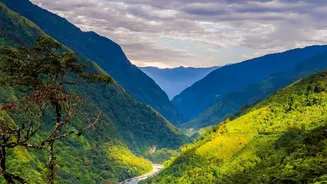
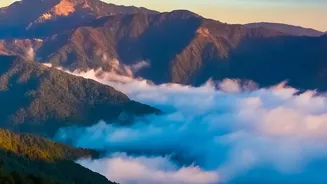
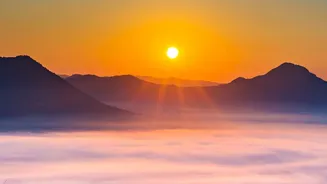
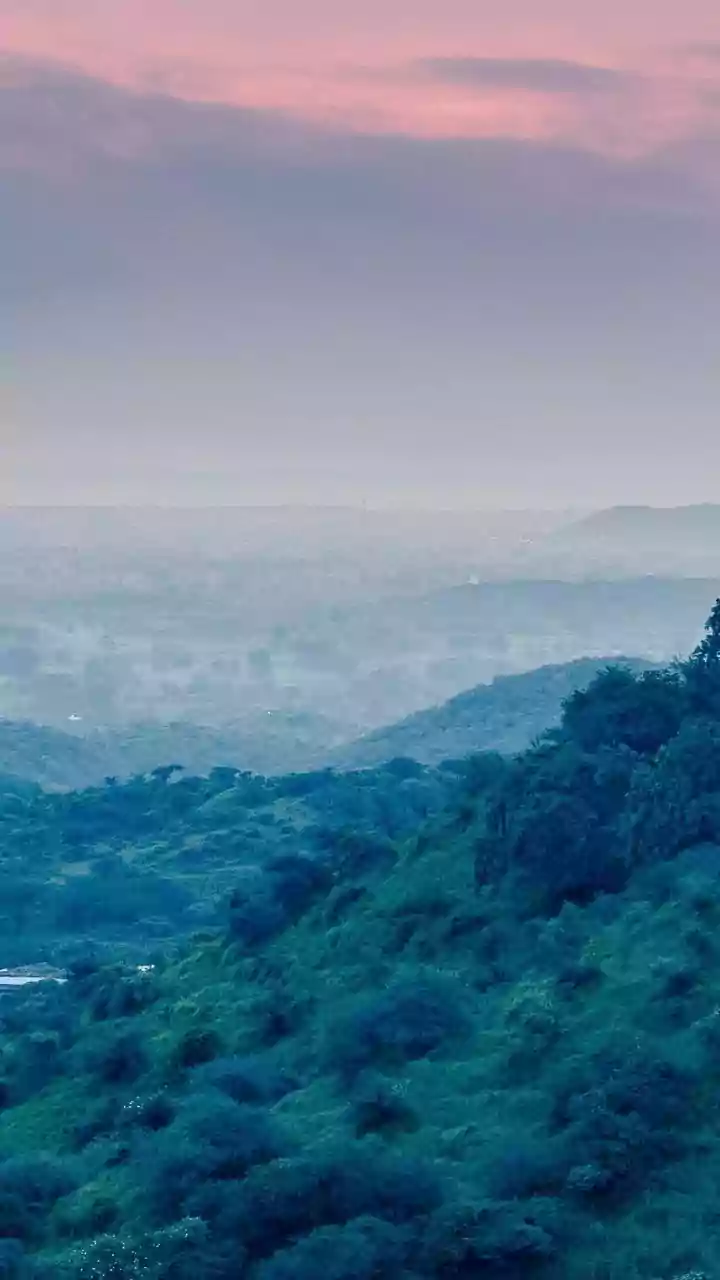
Long before the rest of India stirs, the first rays of sunlight strike the peaks of the Dong Valley. This remote, picturesque valley in the Anjaw district of Arunachal Pradesh earned its fame in 1999 when it was officially identified as the first place
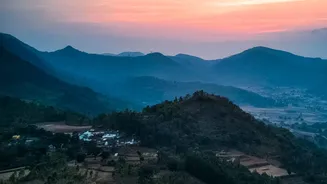
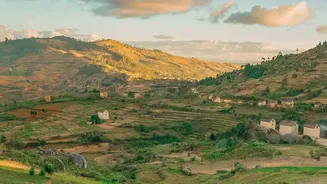
in India to witness the dawn. Every morning, this natural spectacle unfolds, painting the sky and the confluence of the Lohit and Sati rivers in breathtaking colours. The area is inhabited by the Meyor and Mishmi tribes, whose lives are deeply intertwined with this rugged landscape of snow-capped mountains and dense pine forests. The valley's allure is not just its geographical distinction but the sense of being at the very edge of the country, experiencing a moment of pure, untouched nature.
The Pre-Dawn Trek
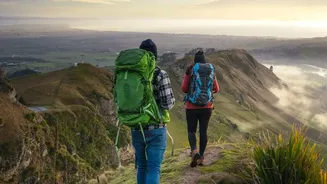
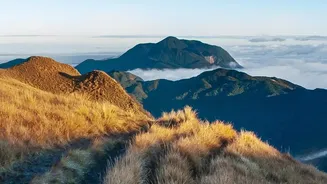
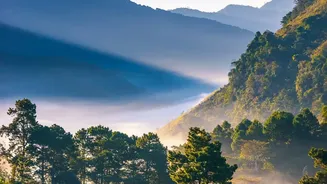
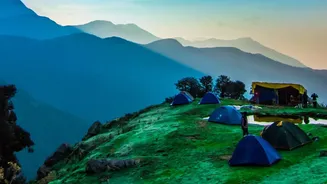
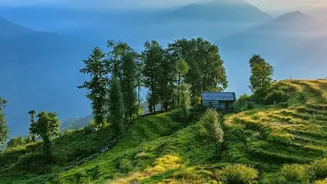
The journey to witness this sunrise is an adventure in itself. Trekkers typically base themselves in the nearby town of Walong. The trek begins in the dead of night, usually around 2 a.m., to ensure you reach the viewpoint in time. A short drive takes you to the trailhead at Tilam, where you begin the ascent. The trek is a moderately steep climb of about two hours through fragrant pine forests. Guided by torchlight, you'll hike up a ridge as the nocturnal sounds of the forest give way to the first hints of dawn. The anticipation builds with every step, culminating in a vast meadow that serves as the natural amphitheatre for the sunrise. Reaching the viewpoint as the sky begins to lighten is a core part of this unforgettable experience.
Planning Your Journey to Walong
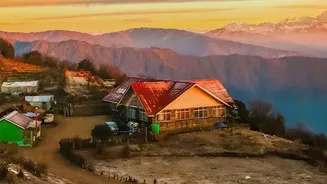
Reaching this remote corner of India requires careful planning. The nearest major airport and railway station are in Dibrugarh and Tinsukia in Assam, respectively. From there, it's a two-day road journey to Walong. Most travellers hire a vehicle and make an overnight stop in Tezu or Hayuliang. The drive itself is spectacular, following the gorge of the mighty Lohit River, but road conditions can be challenging, especially after Tezu. Walong, the main hub for this trip, offers basic accommodation options like homestays and government guest houses, which provide a comfortable base for your early morning trek.
Essential Permits for Entry
Arunachal Pradesh is a protected state, and all visitors require special permits. Indian citizens (who are not residents of the state) must obtain an Inner Line Permit (ILP). This can be applied for online through the official government portal. Foreign nationals need a Protected Area Permit (PAP), which is typically arranged through a registered tour operator. It's crucial to apply for these permits well in advance of your travel dates, as they are checked at multiple checkpoints upon entering the state and within the Anjaw district. Digital copies are often not accepted at military checkpoints, so carrying physical printouts is mandatory.
Best Time to Visit and What to Pack
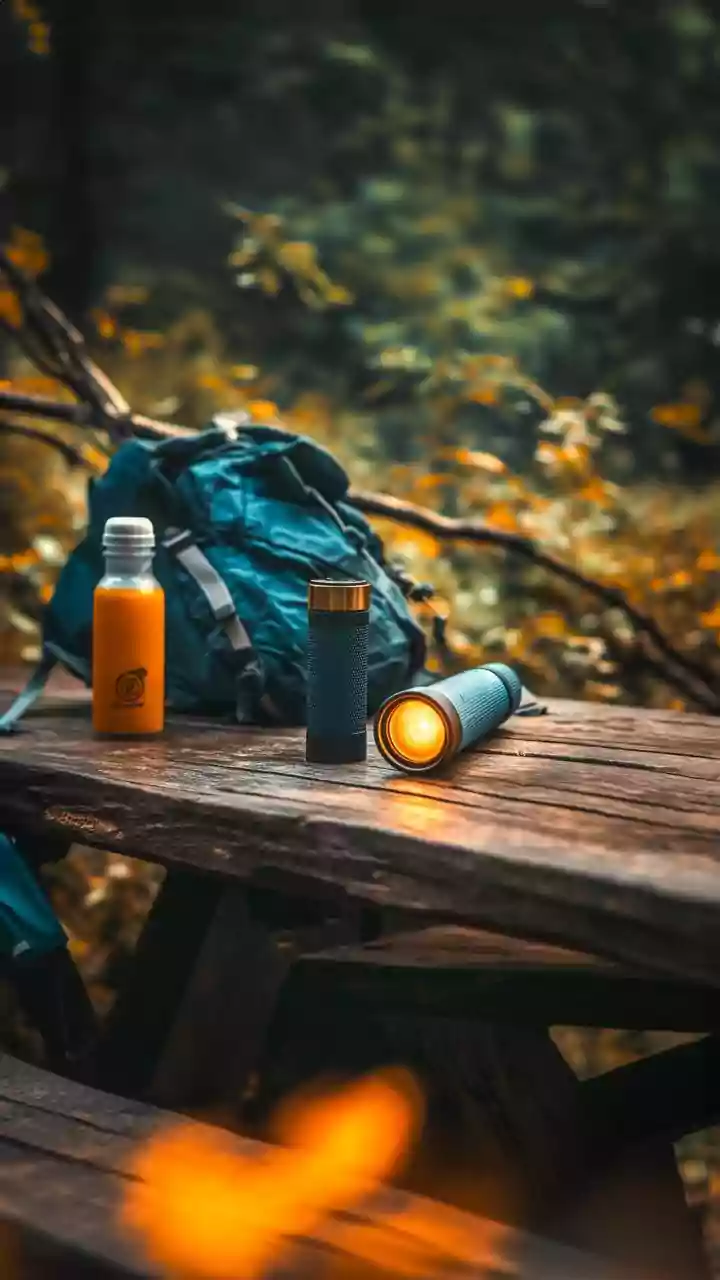
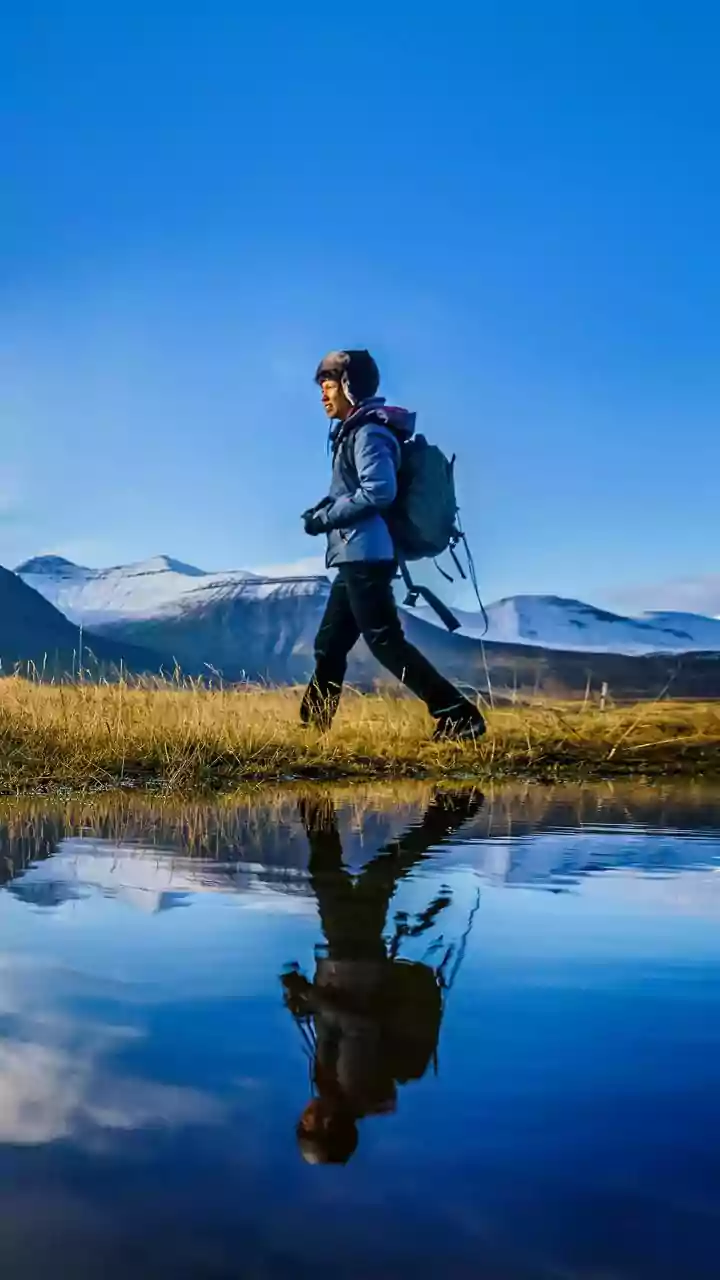
The best time to visit Dong Valley for clear sunrise views is during the post-monsoon and winter months, from October to February. Spring, from March to May, also offers pleasant weather and lush green landscapes. It's advisable to avoid the monsoon season (July to September) due to heavy rainfall and the risk of landslides. Packing is key for this trip. Essentials include warm layered clothing for the cold pre-dawn trek, a good headlamp or torch, sturdy trekking shoes, a flask for hot beverages, and snacks. Also, remember that the last reliable ATM and fuel station are in Hayuliang or Tezu, so it’s wise to carry enough cash and fuel up.
Beyond the Sunrise
While the sunrise is the main draw, the region around Dong Valley offers more to explore. You can visit Walong, a town with significant history from the 1962 Indo-China war, including a war memorial. A short distance away is Kaho, considered one of India's easternmost villages, offering a glimpse into life on the frontier. The area is also home to natural hot springs at Tilam, perfect for a relaxing dip after your trek. Crossing the suspension bridge over the Lohit River is an experience in itself, connecting you to the small hamlets and the serene lifestyle of the local communities.