


What Exactly Is Saffron?
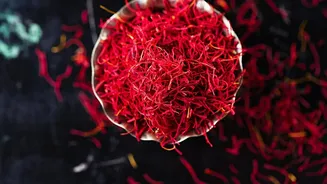
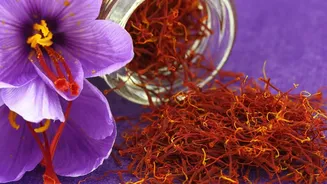
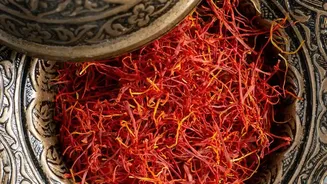
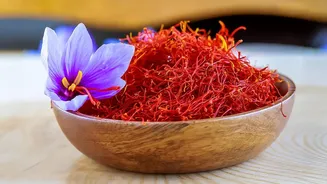
Saffron consists of the delicate, deep-red stigmas, or threads, of a flower called Crocus sativus. Its astronomical price tag comes from its painstaking harvest; each flower produces only three threads, which must be hand-picked. It takes around 250,000
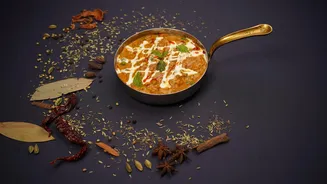
stigmas to produce just half a kilogram of the spice. But its value isn't just in its scarcity. Saffron has a unique and complex flavour profile often described as earthy, floral, and honey-like, with a slightly bitter finish. This delicate balance is what makes it so prized in cuisines from Spanish paella to Indian biryani.
The Secret: A Little Goes a Long Way
The key to using this luxurious spice without guilt is understanding its potency. You don’t need much to make an impact. For many recipes, a small pinch—often just 8 to 12 threads—is enough to infuse a dish serving two people with its signature golden colour and aromatic flavour. When you consider how many meals you can enhance from a single gram, the cost-per-use becomes surprisingly reasonable. Instead of reserving it for a once-a-year special occasion, think of saffron as a simple way to add a touch of luxury to your weekly routine.
How to Unlock Saffron’s Magic
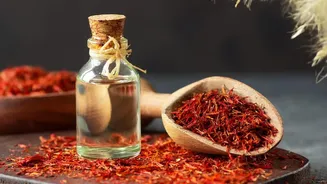
To get the most out of your saffron, you need to 'bloom' it first. Simply adding the dry threads directly to a dish won't release their full potential, especially in recipes without a lot of liquid. The process is simple: take a pinch of saffron threads and gently crush them with a mortar and pestle or your fingers. Place the crushed threads in a small bowl and add a few tablespoons of warm (not boiling) water, milk, or broth. Let it steep for at least 15-20 minutes. The liquid will turn a vibrant golden-yellow, and this infused liquid is what you'll add to your cooking, ensuring the colour and flavour distribute evenly.
Simple Ways to Use Saffron Daily
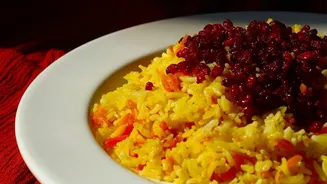
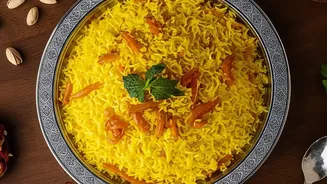
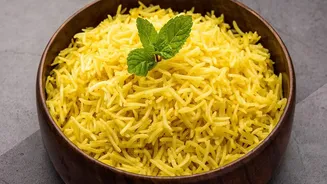
You don't need a complicated recipe to enjoy saffron. Its subtle flavour enhances many everyday foods. Stir your bloomed saffron into a pot of plain basmati rice to give it a beautiful colour and aroma. Add it to scrambled eggs for a sophisticated breakfast or whisk it into a simple vinaigrette for your salad. A pinch of saffron can elevate a simple chicken or vegetable broth, add depth to a creamy pasta sauce, or infuse a basic lemon and garlic chicken marinade with a new layer of flavour. You can even create a simple saffron syrup to add to lattes, cocktails, or drizzle over pancakes.
Buying and Storing Like a Pro
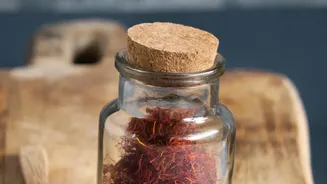
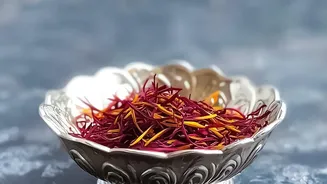
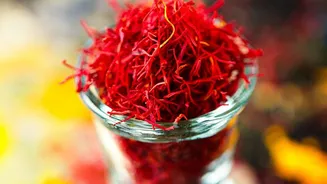
Because of its high price, saffron is often faked. To ensure you're getting the real deal, always buy threads, not powder, as powder can be easily adulterated with other spices like turmeric or safflower. Real saffron threads are trumpet-shaped, with a deep red colour. A good test is to soak a few threads in warm water; real saffron will slowly release a golden hue while the threads themselves remain red. Fakes often bleed colour immediately and can turn the water a harsh red. To protect your investment, store your saffron in an airtight container in a cool, dark place like a pantry, away from light and moisture. Avoid the refrigerator, as condensation can degrade its quality. Properly stored, saffron can last for several years, though its potency will gradually diminish over time.