








Mistake 1: Skipping Breakfast Entirely
In a rush to start the day, it’s tempting to skip breakfast. However, going without a morning meal can have the opposite effect than intended. Research shows that skipping breakfast can lead to higher blood sugar spikes after both lunch and dinner. When
your body goes too long without food, it can interpret the extended fast as a stress signal. This can result in impaired insulin response later in the day. Instead of getting a head start, you might experience more significant energy crashes and cravings. Studies have found that eating breakfast helps stabilize blood sugar throughout the day, whereas skipping it can lead to greater fluctuations and an increased risk of developing insulin resistance over time. Prioritizing even a small, balanced meal in the morning sets a better metabolic tone for the hours ahead.
Mistake 2: Loading Up on Sugar and Refined Carbs
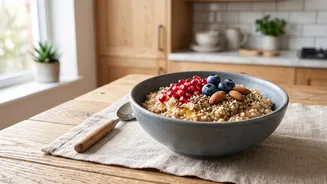
Many popular breakfast foods are packed with sugar and refined carbohydrates that can sabotage your energy levels. Items like sugary cereals, pastries, muffins, and bagels are digested very quickly, causing a rapid surge in blood glucose. This initial burst of energy is often followed by a sharp crash, leaving you feeling tired, irritable, and unfocused just a couple of hours later. This cycle can also trigger cravings for more sugary foods throughout the day. Consistently starting your day this way can contribute to long-term issues like insulin resistance. To avoid this, opt for complex carbohydrates that are rich in fiber, such as whole-grain toast or oatmeal, which provide a slower, more sustained release of energy.
Mistake 3: Not Getting Enough Protein
A breakfast that is heavy on carbohydrates without enough protein is a recipe for a blood sugar spike. Protein plays a crucial role in slowing down digestion and the absorption of glucose from your meal into the bloodstream. This helps prevent the sharp peaks and valleys in energy that come from a carb-only breakfast. Including high-quality protein sources like eggs, Greek yogurt, cottage cheese, or tofu helps you feel fuller for longer, reducing the likelihood of reaching for unhealthy mid-morning snacks. Studies have even shown that a high-protein breakfast can lead to better blood sugar control after the next meal you eat, a phenomenon known as the "second meal effect."
Mistake 4: Drinking Your Calories Without Fiber
It’s easy to overlook the sugar content in morning beverages. Fruit juices, sweetened coffee drinks, and many commercially prepared smoothies can deliver a large dose of sugar without the beneficial fiber found in whole foods. Without fiber to slow absorption, the sugar from these drinks hits your bloodstream almost instantly, causing a significant glucose spike. While a smoothie can be a healthy choice, it's important to build it correctly. Instead of using fruit juice as a base, opt for water or unsweetened milk. Ensure you include sources of fiber, protein, and healthy fats—such as leafy greens, protein powder, chia seeds, or avocado—to create a more balanced and satiating meal that supports stable blood sugar.
Mistake 5: Forgetting About Healthy Fats
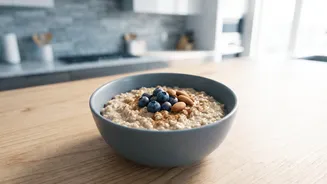
Just like protein and fiber, healthy fats are essential for a balanced meal that promotes stable blood sugar. Fats slow down stomach emptying, which in turn slows the absorption of carbohydrates and prevents rapid glucose spikes. Including sources of healthy fats in your breakfast contributes to sustained energy and a greater feeling of fullness. Simple additions can make a big difference. For example, adding avocado to your whole-grain toast, sprinkling nuts or seeds into your yogurt or oatmeal, or cooking your eggs in a small amount of olive oil can effectively balance your meal. This combination of nutrients is key to starting your day feeling energized and in control, rather than on a blood sugar rollercoaster.