




The Myth of the 'Healthy' Vegetarian Plate
In India, vegetarianism is often seen as the default for a healthy lifestyle. While studies have shown that certain vegetarian diets are associated with a lower likelihood of diabetes, the reality is more complex. A diet that avoids meat but is heavy
on refined carbohydrates, fried snacks, and sugar-laden sweets can still pave the way for high blood sugar and insulin resistance. The problem isn’t the absence of meat but the presence of other unhealthy components that are common in many Indian households. It’s not just what you exclude, but what you include that truly defines a healthy diet.
The Refined Carbohydrate Trap
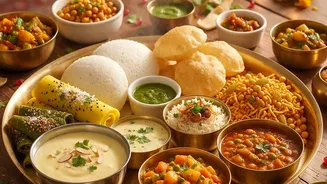
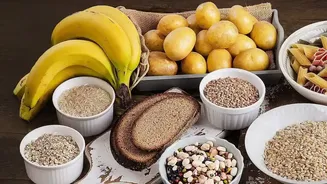
One of the biggest culprits in an otherwise 'healthy' vegetarian diet is the over-reliance on refined grains. Many traditional Indian meals are built around polished white rice, rotis made from fine wheat flour (atta), poha, and upma. These foods have a high glycemic index (GI), meaning they are digested quickly and can cause a rapid spike in blood sugar levels. When meals consistently feature large portions of these grains without enough fibre or protein to slow down sugar absorption, it puts a heavy strain on your body's ability to manage glucose, increasing diabetes risk over time.
Hidden Fats and Fried Favourites
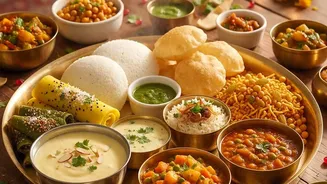
Think about our love for samosas, pakoras, and bhajis. While the ingredients are vegetarian, the cooking method—deep frying—adds a significant amount of unhealthy fats. Even daily cooking can involve generous amounts of oil or ghee, which contribute to excess calorie intake and can lead to weight gain and fatty liver, both of which are linked to insulin resistance. A vegetarian diet isn't automatically low in fat, and the type of fat matters. Prioritising boiled, steamed, or lightly sautéed dishes over fried ones is a crucial step in making a vegetarian diet truly diabetes-friendly.
The Missing Fibre and Protein
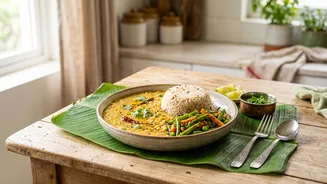
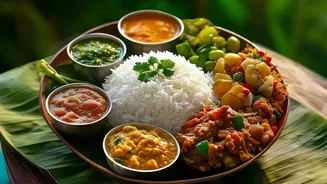
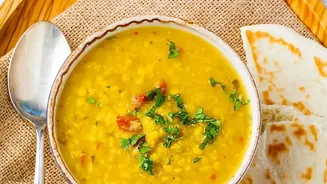
Fibre and protein are champions of blood sugar control. Fibre slows down the absorption of sugar, while protein provides sustained energy and keeps you feeling full. Many vegetarian meals, unfortunately, can be deficient in both. A plate of rice and potato curry, for instance, is primarily carbohydrates. To build a more balanced, diabetes-friendly meal, the focus must shift. Every meal should be an opportunity to add fibre-rich vegetables and a solid source of plant-based protein like dal, chana, rajma, paneer, or tofu. These additions help blunt the glucose spike from carbohydrates.
Building a Smarter Vegetarian Thali
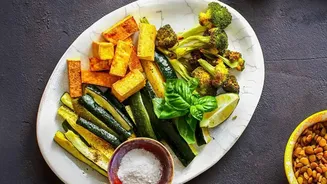
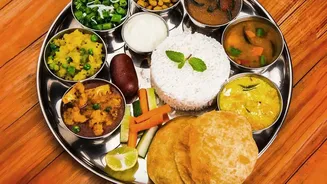
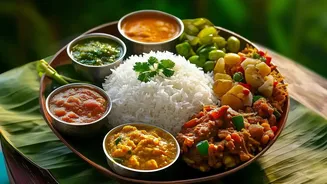
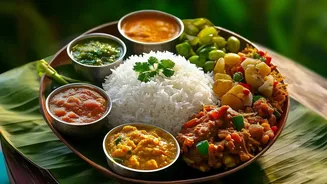
The good news is that an Indian vegetarian diet can be exceptionally healthy and protective against diabetes with a few smart adjustments. It’s about making conscious swaps, not about deprivation. Start by replacing refined grains with whole grains like millets (jowar, bajra, ragi), brown rice, or whole wheat roti. Use the 'plate method': fill half your plate with non-starchy vegetables like spinach, cabbage, lauki, or bhindi. One quarter should be your protein source (dal, legumes, paneer), and the final quarter should be your whole-grain carbohydrate. This ensures a balanced intake of all necessary nutrients and helps maintain stable blood sugar levels.