

The Anatomy of a Perfect Roll
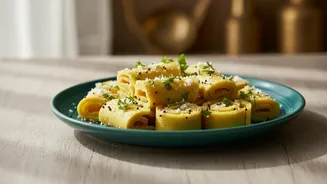
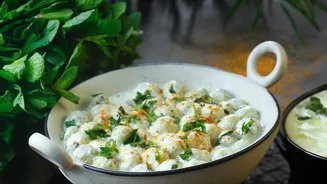
Known as Suralichi Vadi in Maharashtra and Khandvi in Gujarat, this savoury snack is a staple at celebrations and as a light appetiser. It appears simple: soft, yellow, bite-sized rolls, often adorned with a tempering of mustard seeds and a sprinkle of fresh
coconut and coriander. But anyone who has attempted to make it knows the truth—it is a culinary challenge. Achieving the perfect, paper-thin rolls that are sturdy enough to hold their shape yet dissolve on the tongue is a skill, turning a few basic ingredients into something truly special. The secret lies not in a complex recipe, but in understanding the fundamental roles of its two main components: besan and yoghurt.
Besan: The Unsung Structural Hero
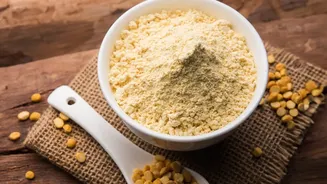
The entire structure of Suralichi Vadi rests on the humble gram flour, or besan. Made from ground chickpeas, besan is naturally gluten-free but high in protein. Unlike wheat flour, it doesn't form an elastic dough. Instead, when whisked with a liquid and heated, its proteins denature and its starches gelatinise. This process transforms the thin, watery batter into a thick, viscous paste. It's this paste that, when spread thinly and cooled, sets into a flexible, solid sheet capable of being rolled. Getting the consistency right is the trickiest part of the entire process; if the batter is undercooked, it won't set, and if it's overcooked, it becomes too thick to spread, leading to cracked, uneven rolls.
Yoghurt: The Soulful Tang and Tenderiser
If besan provides the body, yoghurt (or more commonly, its diluted form, buttermilk) provides the soul. The primary role of yoghurt is to impart the characteristic tangy flavour that cuts through the earthy taste of the besan. But it does more than just add flavour. The acidity of the yoghurt works on a chemical level, helping to break down the proteins in the besan. This results in a softer, more tender final product that truly melts in your mouth. The ratio of besan to liquid is critical; typically a 1:2 or 1:2.5 ratio of flour to buttermilk is recommended to achieve a batter that’s both flavourful and structurally sound.
A Perfect Culinary Partnership
Suralichi Vadi is a testament to the idea that great cooking is about synergy. The besan batter would be plain and heavy without the acidic lift from the yoghurt. The yoghurt, in turn, needs the neutral, structural canvas of the besan to be transformed into a solid snack. The cooking process forces them to work together. As the batter heats, constant stirring is required to prevent lumps and ensure the besan cooks evenly. The cook must watch for the moment the batter thickens just enough—when it coats a spoon and can be spread without being runny. This is the point where the partnership between structure and flavour is perfectly balanced.
The Art of Spreading and Rolling
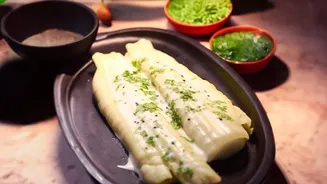
Once the batter reaches the perfect consistency, the race against time begins. The hot mixture must be spread quickly and thinly onto a flat, greased surface, like the back of a steel plate or a clean countertop. As it cools, the gelatinised batter sets into a sheet. You have to work fast because if it cools too much, it becomes stiff and unspreadable. After a few minutes of cooling, the sheet is cut into wide strips. Then comes the magical part: gently lifting the edge of a strip and rolling it into a tight, delicate scroll. Seeing the flat sheet transform into the iconic vadi is the rewarding finale to a process that demands both precision and patience.
More Than Just a Garnish
A plate of Suralichi Vadi is incomplete without its final flourish: the tempering, or tadka. Hot oil sizzled with mustard seeds, cumin seeds, asafoetida, and sometimes green chillies is poured over the rolls. This isn't just for show. The hot oil infuses the rolls with an aromatic flavour, the popped mustard seeds add a pungent crunch, and the final garnish of freshly grated coconut and chopped coriander leaves provides a sweet, fresh counterpoint. This final layer of flavour and texture is what elevates the vadi from a simple snack to a multi-sensory experience, completing the journey that began with just flour and yoghurt.