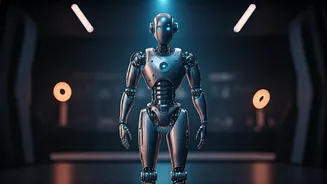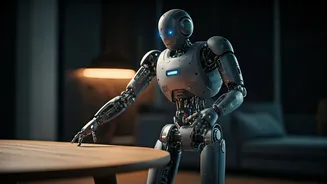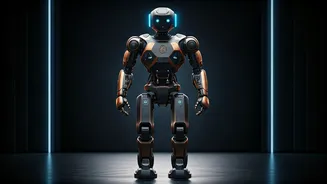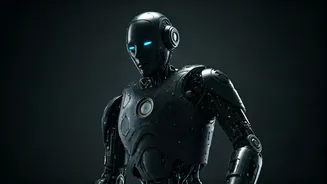






Meet the New Generation
A quiet revolution is reshaping the world of robotics. While concepts from companies like Tesla and Boston Dynamics have long captured the public imagination, a different strategy is emerging from China, led by companies like Unitree and UBTech. They
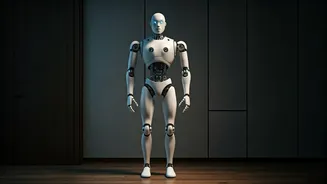
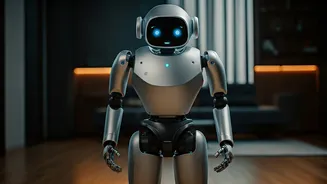
are pioneering a new category of humanoids defined by radical affordability and diverse applications that extend far beyond the structured environment of a factory. These robots, some designated G1 or U1, are not just designed for heavy lifting but for interaction, assistance, and companionship. With starting prices dipping below what was once imaginable for such advanced technology, they are poised to move from niche industrial tools to mainstream platforms for research, education, and even personal use.
From the Factory to the Front Office
Unitree Robotics exemplifies this pivot. The company recently demonstrated its G1 humanoid (often referred to with the U1 designator in some contexts) performing assembly tasks in its own factory, a significant step in proving industrial utility. However, the robot’s design points to a much broader ambition. With impressive agility, dexterous hands, and the ability to learn through imitation, the G1 is a versatile platform intended for more than just production lines. It can navigate complex environments, handle delicate objects, and perform dynamic movements, making it suitable for roles in logistics, inspection, and potentially as an assistant in commercial or domestic settings. By proving its worth in an industrial setting first, Unitree is building a foundation of credibility to expand into these new, unstructured workflows.
The Rise of the Companion Robot
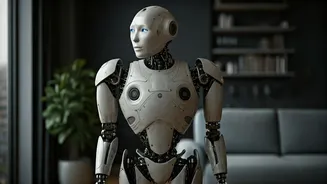
Perhaps the most dramatic departure from industrial work comes from UBTech, which recently launched its own hyper-realistic U1 robot designed for a single purpose: companionship. This machine is not built to assemble cars or carry boxes; it is engineered to combat loneliness. Covered in lifelike skin and equipped with AI-powered conversational abilities, the U1 can discuss a user's day, offer reminders, and provide a sense of constant, loyal presence. Its existence marks a pivotal shift in the perceived value of a humanoid—moving from a tool for physical labour to a partner for emotional support. This focus on social and service roles completely bypasses the industrial sector, aiming directly at the consumer and healthcare markets, particularly in areas like elder care.
Technology Fuelling the Change
This leap beyond the factory is made possible by a convergence of key technologies. The most significant driver is a dramatic reduction in cost. Chinese firms have successfully internalized the production of core components like motors and joints, slashing the price of a single unit. This is coupled with major advancements in artificial intelligence. Instead of being rigidly programmed, these new robots use embodied AI models, reinforcement learning, and imitation learning to adapt to new tasks and environments. Finally, the widespread availability of sophisticated yet affordable sensors, including 3D LiDAR and depth cameras, gives these robots the crucial spatial awareness needed to navigate the unpredictable, dynamic spaces of daily human life.
Implications for the Indian Market
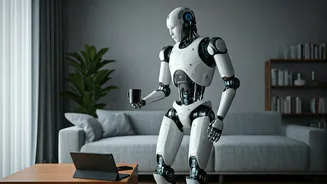
For a rapidly digitizing economy like India, the arrival of accessible, general-purpose humanoids opens up a world of possibilities. In the healthcare sector, they could serve as assistants in hospitals or as companions for the elderly, easing the burden on a strained system. In the booming retail and hospitality industries, they could function as interactive guides, inventory managers, or receptionists, enhancing customer experience. Their human-like form gives them an advantage over other robots in environments built for people. However, their integration will not be without challenges. It will require significant investment in infrastructure, the development of robust safety protocols, and a thoughtful public conversation about the societal impact, including the future of work and potential job displacement.