




Understanding Remote Access
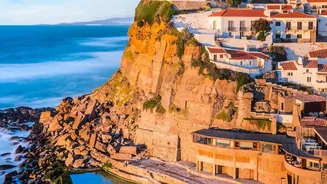
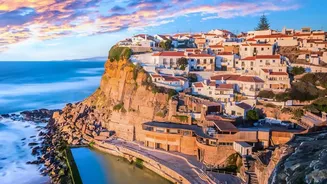
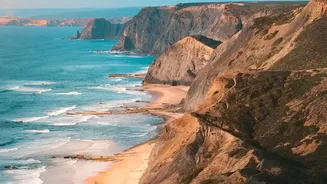
In Portugal, 'remote' can mean several things. It might be a steep, unpaved dirt track only suitable for a 4x4, a challenging hiking trail down a cliff face, or a cove accessible only at low tide or by boat. Unlike popular tourist beaches, these spots
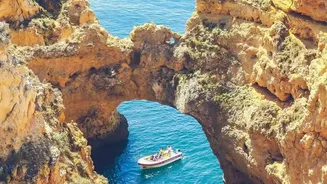
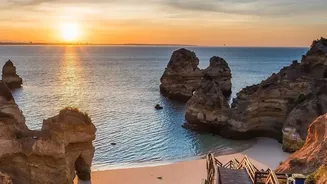
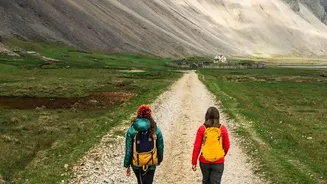
rarely have amenities like cafes, lifeguards, or even toilets. The journey is part of the adventure, but it requires preparation. For example, reaching Praia da Ursa near Sintra involves a steep, rocky hike down a cliffside path, while Praia do Ribeiro do Cavalo requires a 20-minute trek. Others, like some coves in the Algarve, might necessitate scrambling over rocks or navigating tunnels carved into the cliffs.
Essential Gear for Wild Beaches
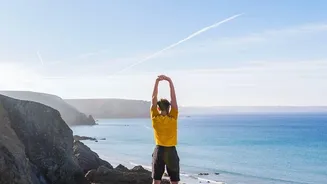
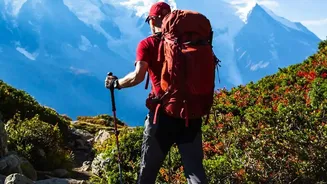
Packing smart is non-negotiable when facilities are non-existent. Sturdy footwear, like hiking shoes or trainers, is crucial for navigating uneven and sometimes slippery trails. Flip-flops are not recommended for the access routes. Bring more water than you think you'll need, along with snacks or a full picnic, as there will be nowhere to buy refreshments. Sun protection is another must; with little to no natural shade, sunscreen, a hat, and sunglasses are vital. Since you'll be carrying everything in and out, a comfortable backpack is essential. Finally, always bring a bag for your rubbish to ensure you leave these pristine environments exactly as you found them.
Navigating the Journey and Tides
A rental car offers the most freedom for reaching these out-of-the-way places, as public transport is often not an option. However, be prepared for unpaved roads and limited parking; a smaller car can be an advantage on narrow tracks. Always check the tides before you set out. Some beaches, like Praia do Submarino, are only accessible when the tide is low, and you risk being cut off if you mistime your visit. Swimming should also be approached with caution. Many wild Atlantic beaches have strong currents and powerful waves, and the lack of lifeguards means you are on your own. It's often safer to enjoy a quick dip near the shore rather than swimming out far.
A Few Remote Gems to Consider
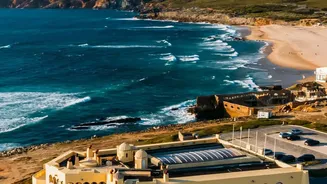
To put this advice into practice, consider a few examples. Praia da Ursa, located in the Sintra-Cascais Natural Park, is renowned for its dramatic sea stacks, but the difficult hike deters many. The descent can take up to 50 minutes and requires good physical fitness. Near Sesimbra, Praia do Ribeiro do Cavalo is a stunning cove with calm, clear water, reached via a popular but steep footpath that can be challenging. In the Algarve, the Costa Vicentina offers truly wild and remote options like Praia da Murração, which is accessed via a 6km unpaved road and is a favorite for those seeking total solitude.
Leave No Trace and Respect Nature
The primary appeal of these beaches is their untouched, natural beauty. It is the responsibility of every visitor to help keep them that way. The 'leave no trace' principle is paramount: pack up everything you bring with you, including all food wrappers and rubbish. Many of these areas are part of protected natural parks, such as the Arrábida Natural Park or the Southwest Alentejo and Vicentine Coast Natural Park. Stick to marked trails to avoid damaging fragile cliffside vegetation or dune ecosystems. By being a conscientious visitor, you help preserve these special places for everyone to enjoy in the future.