


Decoding the Pencil Hairstyle
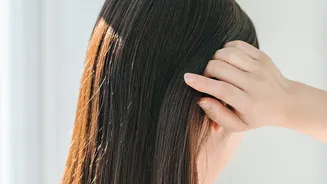
The “pencil hairstyle” isn’t about using an actual pencil, but rather achieving a look that is pin-straight, smooth, and defined. The name often comes from the tool used to create it: a pencil-thin flat iron, which allows for precise, ultra-sleek styling
right from the root. This style is characterized by its glossy finish and sharp, clean lines, making it a popular choice for everything from a chic bob to long, flowing locks. The appeal lies in its polished simplicity, but the secret to success is tailoring the technique to your hair’s natural texture.
Essential Tools for a Flawless Finish
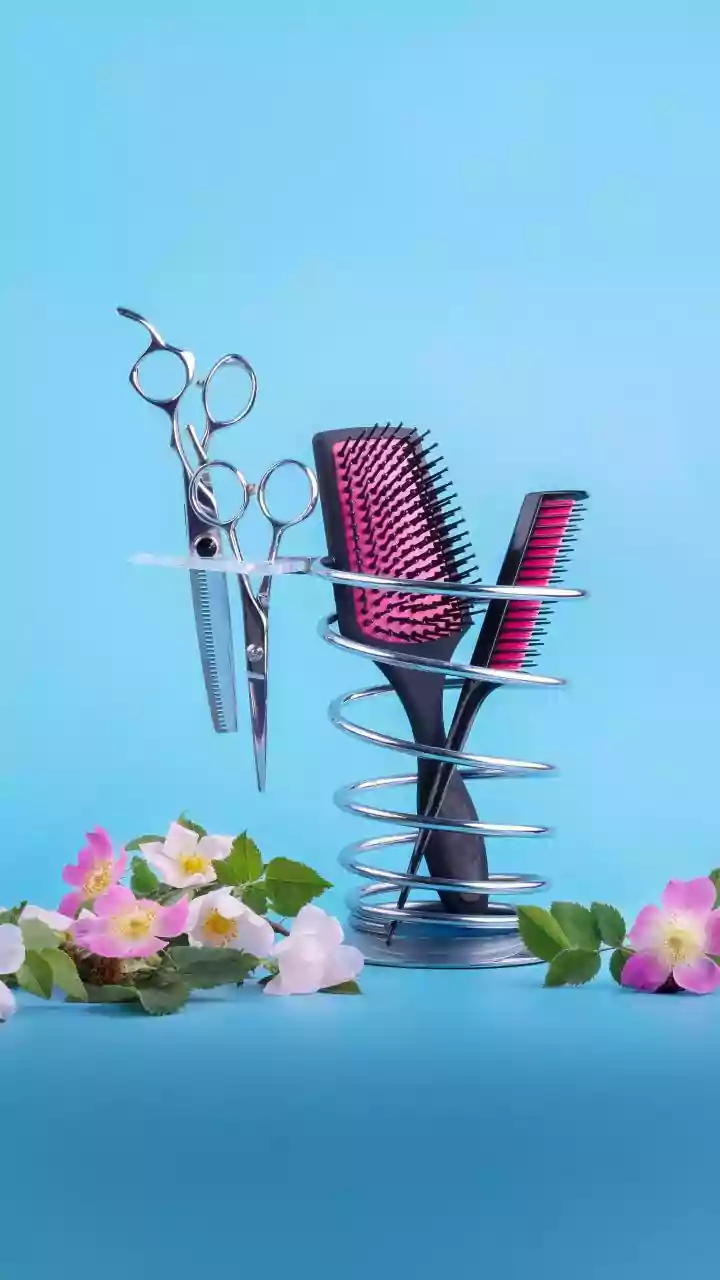
Before you begin, gathering the right tools will set you up for success and protect your hair's health. You will need a quality pencil straightener with adjustable heat settings, which is crucial for customising the temperature for your hair type. A heat protectant spray is non-negotiable; it creates a barrier between your hair and the iron, preventing damage. Also, have a good smoothing serum or anti-frizz cream to apply before and after styling, a fine-toothed comb for creating clean sections, and a light-hold hairspray to lock everything in place. Always start with completely dry, detangled hair for the best and safest results.
The Approach for Thick Hair
For those blessed with a thick, voluminous mane, achieving a sleek style is about control and smoothing. The main challenges are often managing bulk and combating frizz. Getting a haircut with long layers or having your stylist thin out the hair can make it more manageable from the start. When styling, patience is key. Work in small, one-to-two-inch sections to ensure the heat is distributed evenly. Use a higher heat setting on your straightener, but never the maximum, and pass over each section slowly and deliberately just once to avoid repeated heat exposure. A high-quality ceramic or titanium plate straightener will glide smoothly and help seal the hair cuticle, reducing frizz and adding shine.
Techniques to Tame Thick Tresses
Start by applying a heat protectant and a small amount of anti-frizz serum. Section your hair meticulously, clipping the top layers away. Begin with the bottom sections, using a comb to guide the straightener down the hair shaft. This “chase” method ensures every strand is detangled and straightened in one fluid motion. For thick hair prone to puffiness, especially in humid Indian weather, finish with a humidity-blocking spray and a touch more serum on the ends to keep the look sleek all day. A half-up style can also be a great way to showcase the sleekness while managing the weight of thick hair.
The Approach for Fine Hair
If you have fine hair, the goal is to get that pin-straight look without sacrificing volume. Flat, lifeless hair is the enemy here. The key is to build body before you even pick up the straightener. Start in the shower with a volumizing shampoo and use conditioner only on the ends to avoid weighing down the roots. Before blow-drying, apply a volumizing mousse or root-lifting spray to damp hair. A classic trick is to blow-dry your hair upside down, which lifts the roots away from the scalp and creates a foundation of volume. Always use a lower heat setting on your flat iron to prevent damage to delicate strands.
Techniques to Amplify Fine Strands
Once your hair is prepped and dry, apply a lightweight heat protectant. When straightening, work in slightly larger sections than you would with thick hair and move quickly. Instead of clamping down hard, glide the iron smoothly from roots to ends. To create a subtle lift at the crown, you can gently tease the roots of the top sections before straightening the lengths. Another technique is to use dry shampoo at the roots, even on clean hair, as it adds texture and grip, preventing the hair from falling flat. Finish with a texturizing spray or a light-hold hairspray, avoiding heavy serums or oils that can make fine hair appear greasy and limp.