




The Living Nature of Fermented Foods
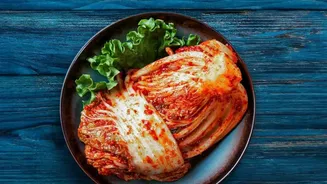
Fermentation is a preservation method that uses beneficial microbes—like bacteria and yeast—to transform food. This process not only creates delicious sour and complex flavours but also makes nutrients more available and can eliminate anti-nutritional
factors. However, these foods are alive. The same microbes that create your perfect dahi or dosa batter can be overtaken by spoilage organisms if not handled correctly. Proper hygiene and storage are not just suggestions; they are essential to prevent the growth of harmful bacteria and mould, ensuring your food remains safe and healthy to eat. Think of it as guiding the good microbes and protecting them from unwanted invaders.
Golden Rules for Safe Preparation
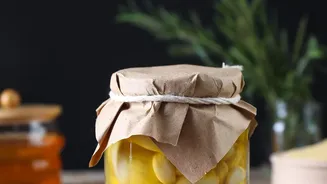
Food safety begins long before storage. When preparing any ferment at home, cleanliness is paramount. Always start with clean hands and wash all surfaces and equipment with hot, soapy water. The container you choose is also critical. Glass or food-grade ceramic jars are ideal because they are non-reactive and easy to sterilise. Metals, unless they are high-quality stainless steel, can react with the acids produced during fermentation, leading to off-flavours and potential corrosion. If using a jar with a metal lid, it's wise to place a layer of parchment paper between the food and the lid or ensure the lid has a plastic inner coating to prevent contact.
Storing Common Indian Ferments
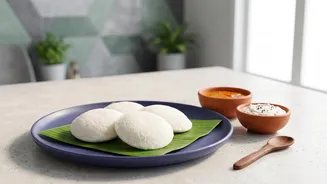
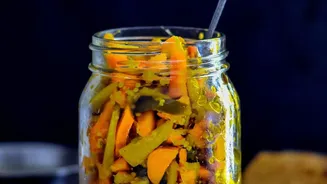
Different ferments have different needs. Once your Dahi (curd) is set to your liking, it must be refrigerated immediately to halt the fermentation process and prevent it from becoming too sour. Always use a clean, dry spoon to scoop it out to avoid introducing contaminants. Idli and dosa batter, after its initial fermentation at room temperature, also belongs in the fridge where it can be stored for several days. For traditional Achaar (pickles), the key preservatives are salt and oil. Ensure your pickles are always submerged under a layer of oil, which acts as a barrier against air and moisture. Never use a wet spoon, as even a single drop of water can introduce mould. Store pickle jars in a cool, dark place away from direct sunlight.
Spotting the Signs of Spoilage
Trust your senses. Fermented foods should smell pleasantly sour or tangy, not rotten, fecal, or chemical-like. While some cloudiness in the brine or bubbles are normal signs of fermentation, fuzzy mould is a clear indication that something is wrong. This mould might be blue, green, or black and is different from Kahm yeast, which is a harmless, flat white film that can be skimmed off. However, if you see fuzzy, coloured mould, the entire batch should be discarded as the contamination can run deeper than what is visible. Other warning signs include a slimy texture or significant discolouration. When in doubt, the safest motto is always: throw it out.