




A New Window Into Polar Heat
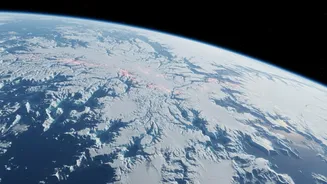
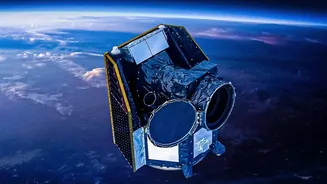
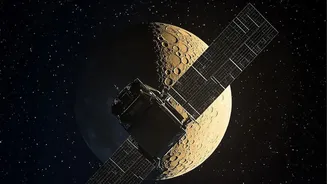
The data comes from a NASA mission called PREFIRE, or the Polar Radiant Energy in the Far-InfraRed Experiment. Since July 2024, its twin CubeSats have been measuring far-infrared radiation, a type of energy that accounts for nearly 60% of the heat Earth
loses to space. This wavelength was a significant blind spot in our climate observations. By filling that gap, PREFIRE gives scientists a more complete picture of the polar energy budget—how much heat the Arctic and Antarctic absorb and how much they release. This information is vital for refining the climate and weather models that predict everything from future warming to changes in shipping routes.
A Tale of Two Poles
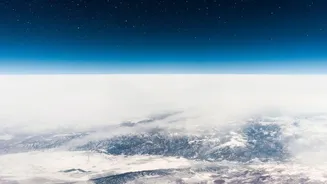
The two-year dataset reveals a story of two very different regions reacting to a single warming planet. The Arctic, an ocean surrounded by land, experiences relatively mild summers that can thaw tundra and melt large areas of sea ice. In contrast, much of Antarctica, a massive continent of ice surrounded by ocean, remains below freezing even in summer. However, both are showing signs of profound change. Recent years have seen dramatic events at both poles, including a historic drop in Arctic winter sea ice between 2024 and 2025 and an unprecedented winter heatwave in Antarctica, where temperatures spiked as much as 28 degrees Celsius above normal in some areas.
The Arctic's Vicious Cycle
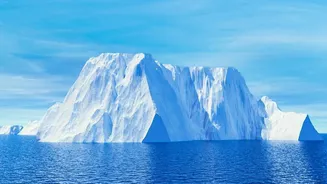
The Arctic is warming nearly four times faster than the rest of the world, a phenomenon known as Arctic Amplification. The PREFIRE data will help scientists better understand the mechanics of this feedback loop. As bright, reflective sea ice melts, it exposes the dark ocean water beneath. This darker surface absorbs more solar energy, which in turn melts more ice. Data from other NASA missions like ICESat-2 confirms the physical results of this process, revealing that the Arctic has lost about one-third of its winter sea ice volume over the last two decades. This isn't just a remote problem; it has global consequences.
Connecting the Poles to India's Monsoon
What happens in the Arctic does not stay in the Arctic. A growing body of scientific evidence, including studies from India's National Centre for Polar and Ocean Research, points to a strong connection between Arctic warming and the Indian monsoon. Research suggests that a warmer Arctic and reduced sea ice can alter atmospheric circulation patterns, leading to more intense and extreme rainfall events over the Indian subcontinent. With agriculture accounting for a significant portion of India's GDP and employing over half its population, understanding this teleconnection is critical for the nation's food and economic security.
The Threat of Rising Seas
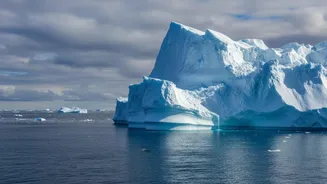
Beyond the weather, the warming measured by PREFIRE and the ice loss tracked by ICESat-2 contribute directly to a more immediate threat for India: sea-level rise. As land-based ice sheets in Greenland and Antarctica melt, the runoff flows into the ocean, raising global sea levels. For a country with a 7,500-kilometre coastline and numerous low-lying cities like Mumbai and Chennai, this is an existential issue. Some projections estimate that hundreds of millions of people in South Asia's coastal regions could be affected by mid-century, facing recurrent flooding and displacement. The data from these polar missions provides an urgent early warning.