






The Basic Sugar Breakdown
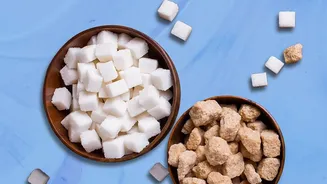
At a chemical level, honey and table sugar are surprisingly similar. Both are composed of two simple sugars: glucose and fructose. Table sugar, or sucrose, is a neat 50-50 split of glucose and fructose bonded together. Our bodies must use enzymes to break
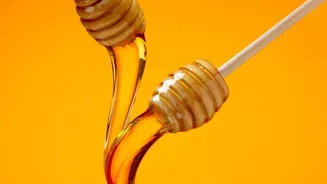
this bond before we can use the energy. Honey, on the other hand, is a slightly different mix. It's roughly 40% fructose and 30% glucose, with the rest being mostly water, and these sugars are largely separate. This means our bodies can absorb them more directly. Because it has a higher concentration of fructose, which tastes sweeter than glucose, honey is about one and a half times sweeter than sugar, so you might be satisfied using less of it.
Calories and Content
A common misconception is that honey is lower in calories. Spoon for spoon, the opposite is true. A tablespoon of honey contains about 64 calories, whereas a tablespoon of granulated sugar has about 49 calories. The difference comes down to density; honey is heavier than sugar. However, because honey is sweeter, you might use a smaller amount to achieve the same level of sweetness, potentially balancing out the calorie difference. Both are considered 'added sugars', and it's recommended to limit total intake to less than 10% of your daily calories, regardless of the source.
The Trace Nutrient Advantage
This is where honey starts to pull ahead. Table sugar is often referred to as providing 'empty calories' because the refining process strips it of any other nutrients. Honey, especially raw and less processed varieties, retains small amounts of beneficial compounds. These include vitamins and minerals like iron, zinc, and potassium, as well as potent antioxidants like flavonoids and phenolic acids. Some types of honey, such as dark buckwheat honey, are particularly rich in these antioxidants. It also contains enzymes added by the bees. However, it's crucial to keep this in perspective: the amounts of these nutrients are very small. You would need to consume a very large and unhealthy amount of honey to get a significant daily dose of these vitamins and minerals.
Impact on Blood Sugar
The glycemic index (GI) measures how quickly a food raises blood sugar levels. Here, honey has a slight edge. Table sugar (sucrose) has a GI of around 65. Honey's GI is typically lower, averaging around 58, though it can vary depending on the type. This means honey may cause a slower, more gradual rise in blood sugar compared to the sharper spike from table sugar. This is partly due to its higher fructose content, which is processed differently in the body and doesn't raise blood glucose as directly. For this reason, some studies suggest honey may be a slightly better option for people with diabetes, but it still raises blood sugar and must be consumed with caution and in moderation.
Other Potential Benefits
Beyond its nutritional profile, honey has been used for centuries for its potential health properties. It is well-known for its ability to soothe a cough or sore throat. Raw honey also possesses natural antibacterial and anti-inflammatory properties, thanks to compounds like hydrogen peroxide and a low moisture content. Some specific types, like Manuka honey, are even used in medical settings for wound care. Again, these benefits are most associated with raw, unpasteurized honey, as heavy processing and heating can destroy the delicate enzymes and compounds responsible for these effects.