


The Promise of Peppermint
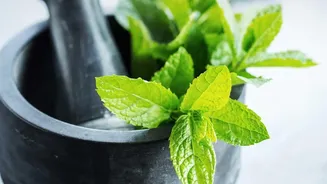
Peppermint has been used for centuries in traditional medicine across Europe and Asia for various ailments. Known for its refreshing aroma and cooling sensation, it has been a go-to remedy for everything from indigestion to calming the nerves. The primary
active compound responsible for its distinctive properties is menthol. This long history of use is why so many people are drawn to peppermint in its various forms—including as a tea or an essential oil—for modern complaints like the all-too-common tension headache. The idea is that its natural properties can relax muscles and soothe pain, offering a gentle alternative to over-the-counter medications.
What the Science Actually Says
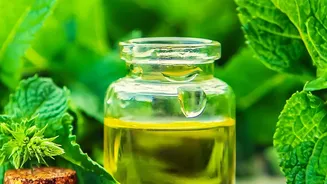
When we look at scientific studies, a more specific picture emerges. Research has indeed found a link between peppermint and headache relief, but the details are crucial. The evidence points strongly toward the topical application of peppermint oil, not brewed tea. A landmark 1996 German study found that applying a 10% solution of peppermint oil in ethanol to the forehead and temples was as effective as taking 1,000 mg of paracetamol for tension headaches. The pain-relieving effect was observed within just 15 minutes. The active ingredient, menthol, is believed to work by creating a cooling sensation that distracts from pain, and it may also interact with pain receptors and improve blood flow. This is why a limited amount of evidence suggests topical peppermint oil might relieve tension headaches, according to health authorities like the US National Center for Complementary and Integrative Health.
From Potent Oil to a Tea Compress
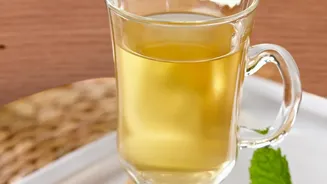
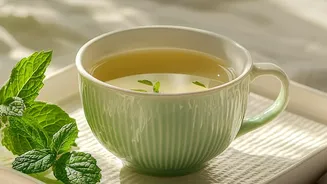
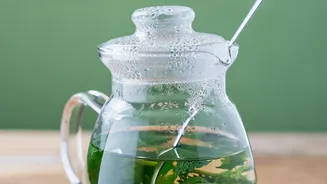
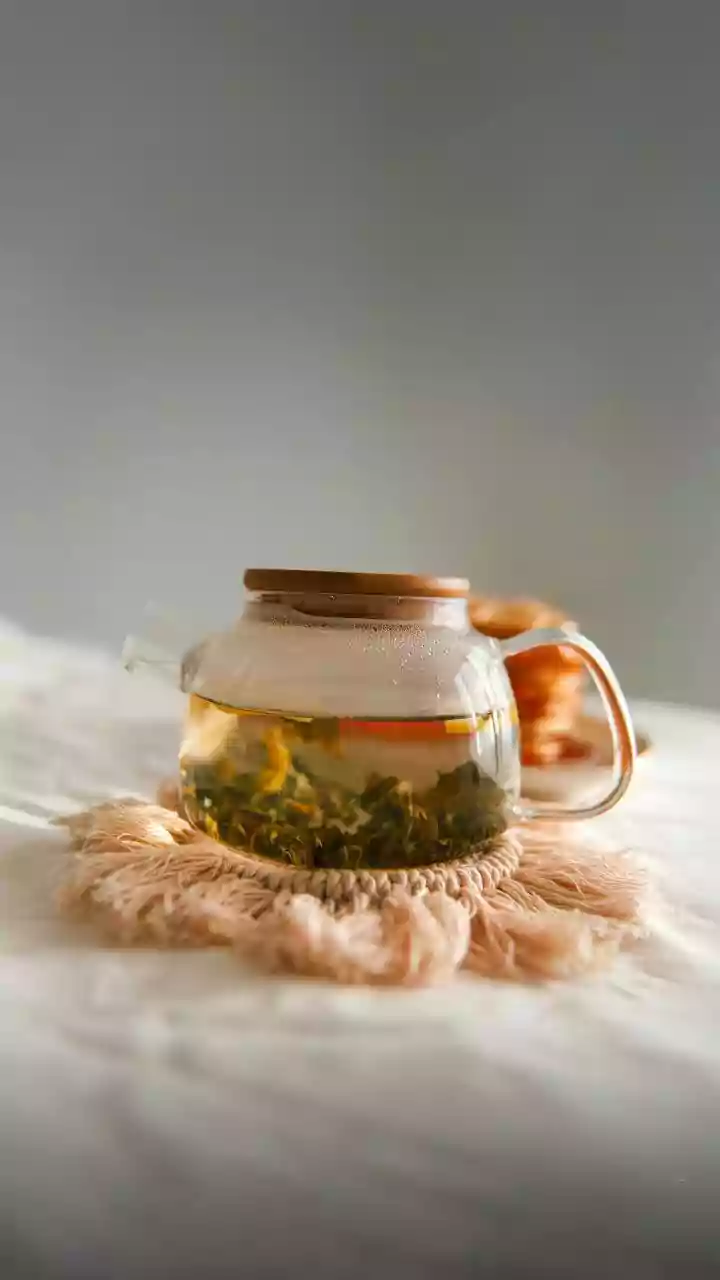
This brings us to the original tip: a peppermint tea compress. While using cooled peppermint tea on the skin can feel refreshing and provide a mild cooling effect, it's a world away from the concentrated, evidence-backed oil solution used in studies. The key difference is potency. An essential oil is a highly concentrated extract of the plant’s volatile compounds. Brewing tea leaves in water results in a much more diluted infusion. While some menthol will be present, it's unlikely to be in a high enough concentration to produce the significant analgesic effect seen with a 10% oil solution. There are no clinical trials that have tested the effectiveness of a peppermint tea bag compress for headaches. So, while the compress might feel soothing, its ability to truly stop a headache is not supported by the same science that backs peppermint oil.
A Guide to Reading Health Advice
The peppermint tea compress is a perfect example of how sound advice can get distorted online. A finding about a specific preparation (peppermint oil) gets broadened into a general tip about the plant (peppermint tea). To avoid falling for well-meaning but ineffective advice, here’s a simple checklist to use when you encounter the next big wellness trend: 1. Check the Source and Form: Is the advice based on a scientific study? If so, what exactly was tested? Was it the whole plant, a tea, a pill, or a concentrated oil? The form matters immensely. 2. Look for the 'How': Does the advice explain the mechanism? Reputable information will often mention the active compounds (like menthol) and how they are believed to work. Vague claims without any scientific explanation are a red flag. 3. Consider the Dose: The amount of an active ingredient determines its effect. An entire bottle of essential oil contains the essence of a large amount of plant material. A single tea bag does not. Question whether the recommended usage can deliver a therapeutic dose. 4. Verify with Trusted Institutions: Cross-reference the claim with reputable health websites. Look for information from government health agencies (like the NIH or MedlinePlus), major hospitals, or university research centres.
A Safer, More Effective Approach
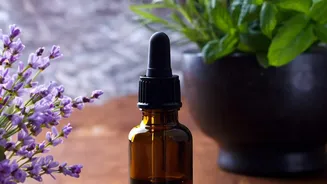
If you want to try peppermint for a tension headache based on the available evidence, using the essential oil topically is the way to go. However, never apply undiluted essential oil directly to your skin, as it can cause irritation. The standard recommendation is to dilute a few drops of peppermint essential oil with a carrier oil, such as coconut, jojoba, or almond oil, before gently massaging it onto your temples and forehead. Be very careful to keep it away from your eyes. A patch test on a small area of skin first is always a good idea to ensure you don't have a reaction. This method is much closer to what has been studied and is more likely to provide relief than a tea compress.