

The Gateway: Historic Lahij
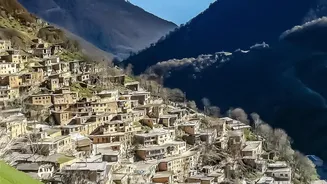
Perched 1,500 metres above sea level on the southern slopes of the Greater Caucasus, Lahij isn't just a starting point; it's a destination in itself. This ancient settlement, with a history stretching back over two millennia, feels like a living museum.
Its narrow, cobblestone streets wind between two-storey river-stone houses, a layout that has remained largely unchanged for centuries. But Lahij is most famous for the rhythmic sound that echoes through its alleys: the clang of hammers on copper. For generations, the village has been a renowned centre for master coppersmiths, an art so integral to its identity that it's recognised on UNESCO's Intangible Cultural Heritage list. Visitors can wander through workshops, watching artisans transform metal into intricate trays, jugs, and ornaments using techniques passed down through families. This unique heritage is rooted in its inhabitants, the Tats, a Persian-speaking ethnic group who have preserved their distinct language and traditions. Before you even set foot on a trail, Lahij offers a deep dive into a culture shaped and protected by the very mountains you're about to explore.
Into the Caucasus: The Trails Beckon
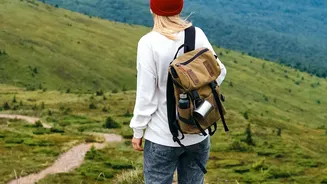
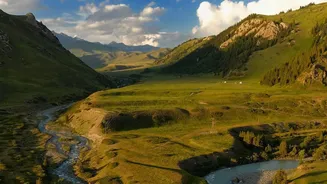
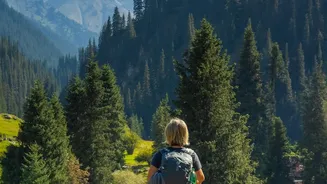
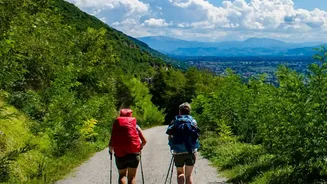
From Lahij, a network of paths spiders out into the surrounding Ismayilli region, offering hikes that are as varied as they are breathtaking. These aren't the polished, heavily signposted trails of more mainstream destinations. This is 'offbeat' hiking, where you're more likely to follow shepherd's paths and old caravan routes. One popular but challenging trek is the trail from the nearby village of Muju to Lahij, a 10-kilometre route that involves a significant ascent to over 2,000 metres before descending into the artisan town. The reward is sweeping views across rocky paths and mountain meadows. Other routes explore the dramatic Girdimanchay Canyon, whose steep cliffs historically served as a natural fortress for Lahij. Trekkers can also explore trails to smaller, traditional villages like Zarnava and Mushkamir, places still largely untouched by mass tourism and accessible mainly on foot or by off-road vehicle. The appeal lies in this sense of discovery, of tracing paths that have been used for centuries for trade, herding, and connecting remote communities.
Beyond Lahij: The Transcaucasian Trail
For those with more time and an appetite for a grander adventure, the mountains around Lahij are a gateway to the broader Transcaucasian Trail (TCT). While still under development in many parts, the TCT aims to create a world-class, long-distance hiking route across the Caucasus. Sections in Azerbaijan are already hikable and offer some of the most spectacular scenery in the region. The Guba section, for example, is a multi-day trek of over 100 kilometres connecting remote highland villages like Khinalig, Griz, and Laza. Khinalig, one of the highest and oldest continuously inhabited settlements in the Caucasus, is a highlight for many hikers, offering a profound sense of isolation and history. These multi-day routes require more planning and often a guide, but they deliver an immersive experience, with accommodation in village guesthouses providing a chance to experience authentic local hospitality and home-cooked meals.
Planning Your Offbeat Adventure
The best time to hike in Azerbaijan's mountains is generally between April and November, though high-altitude treks are best reserved for the summer months of July to September. While some trails managed by the Azerbaijan Tourism Board have signposts, many do not, making a GPS device or a local guide essential for navigation on more remote paths. In Lahij and other mountain villages, a growing number of guesthouses offer simple but comfortable lodging, giving you a base from which to explore. For day hikes around Lahij, you should carry plenty of water and food, as resources can be scarce once you leave the village. The beauty of hiking here is its raw, undeveloped nature. It's an opportunity to connect with landscapes and cultures that have remained resilient and authentic, far from the well-trodden path.