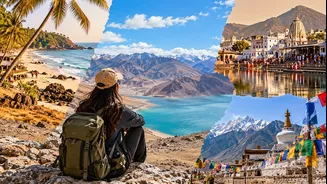




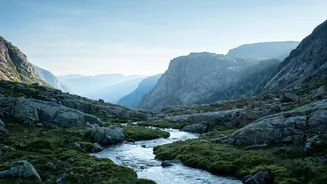
The age of predictable holidays is fading. New findings from digital travel platform Agoda reveal a massive shift in how we travel, with a growing number of people in India looking beyond crowded hotspots for their next getaway.
The Big Reveal: A Shift to the Unconventional
According to Agoda's '2027
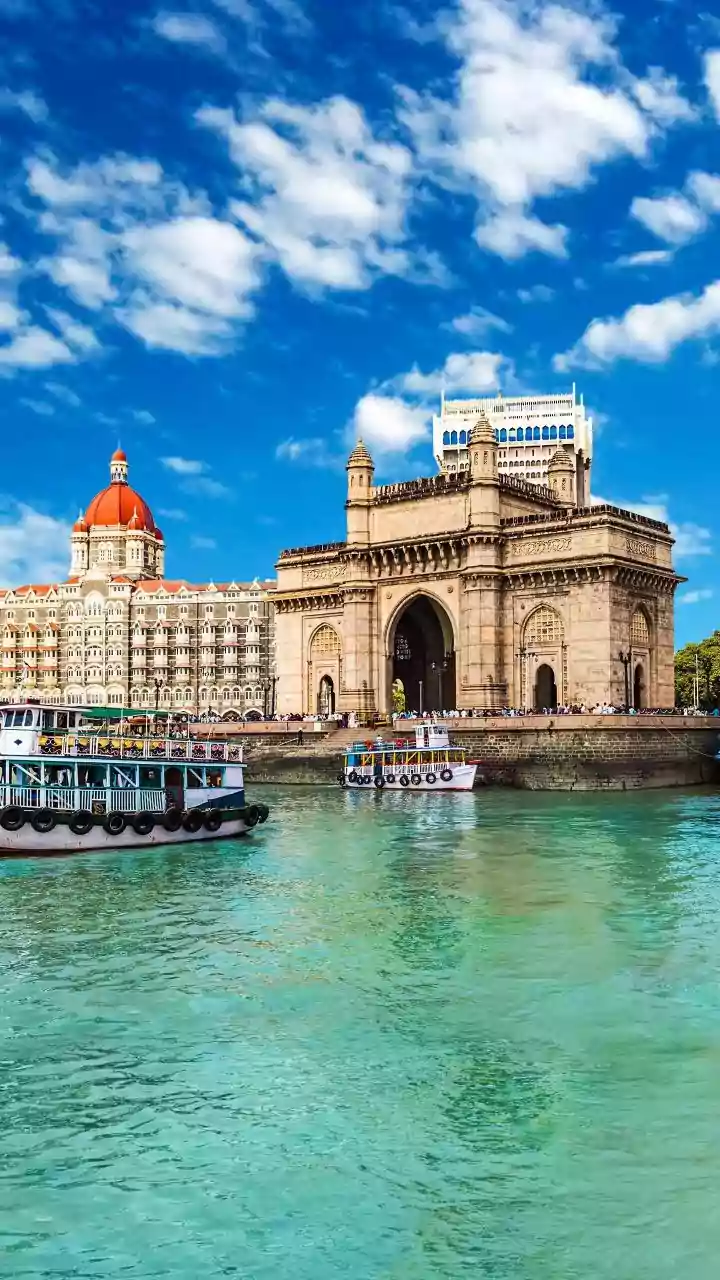
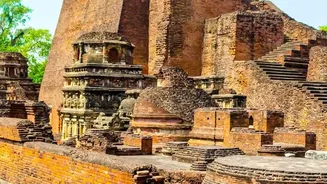
Asia Travel Pulse' report, a remarkable 55% of Indian travellers plan to visit a lesser-known destination in the coming year. This figure is significantly higher than the Asian average of 36%, positioning Indians as the most likely in the region to venture off the beaten path. This isn't just a minor change; it signals a fundamental move away from ticking off a checklist of famous landmarks. Instead, travellers are actively choosing unique experiences, quieter locations, and more personal journeys. The trend points towards a desire for 'undertourism', where the goal is to find authentic engagement far from the usual crowds.
Why Nature Is the New Main Attraction
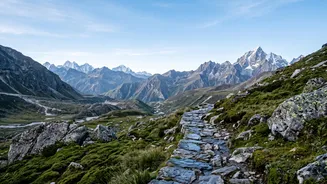
A key driver behind this shift is the powerful call of the great outdoors. The same Agoda survey found that for 42% of Indian travellers, outdoor adventure is a primary motivation for their trips. This reflects a broader, post-pandemic global trend where wellness and nature have become intertwined with travel. After years of being indoors, people are seeking the restorative power of nature to combat urban fatigue and digital overload. Trips are no longer just about relaxation but rejuvenation. Whether it's trekking in the Himalayas, exploring dense forests, or simply camping under the stars, these experiences offer a chance to disconnect from routine and reconnect with oneself.
The Search for Meaningful Experiences
The move towards offbeat and outdoor travel is also rooted in a deeper quest for authenticity. The era of 'revenge travel'—the frantic rush to go anywhere after lockdowns—has matured into a more mindful approach. Travellers now crave meaningful connections with the places they visit, and outdoor adventures often provide this in abundance. These journeys frequently involve interaction with local communities, offering a glimpse into different ways of life that a commercialised tourist hub cannot. According to Gaurav Malik, Agoda’s Country Director, Indian travellers are becoming more 'intentional' about how they explore, seeking out these unique and enriching experiences.
What This Means for Indian Travellers
This trend is already reshaping domestic tourism in India. Agoda's search data shows a sharp rise in interest for mountain destinations known for their natural beauty and trekking opportunities. Places like Leh, Kasol, and McLeod Ganj have seen a surge in searches, particularly from residents of major metro cities. This indicates a clear desire among urban Indians to escape the concrete jungle for the cool, clean air of the mountains. The trend also aligns with a growing interest in sustainable travel, as 88% of Indian travellers consider sustainability important, and many believe their spending should directly benefit local communities and help protect nature. Choosing a less-travelled path not only provides a unique adventure but also helps distribute tourism's economic benefits more widely.