






The Urgent Need for a Second Home
The story of the Asiatic lion is one of remarkable recovery, growing from a few dozen individuals to an estimated 891 by 2025. But this success has created a precarious situation. Confining an entire species to a single, connected landscape like Gir makes
them dangerously vulnerable to catastrophic events like disease or natural disasters. A 2018 outbreak of Canine Distemper Virus, which killed several lions, was a stark reminder of this risk. For decades, scientists, conservation bodies, and even the Supreme Court have warned that establishing a second, geographically separate population is crucial for the lion's long-term survival and genetic health.
Why Barda Was Chosen
Located about 100 kilometres from Gir, the Barda Wildlife Sanctuary has emerged as the answer within Gujarat. Once a royal hunting ground, the 192-square-kilometre sanctuary offers a rugged, forested terrain that is historically part of the lions' native range, though they hadn't been seen there since 1879. As part of 'Project Lion', a comprehensive conservation initiative, authorities have focused on restoring the sanctuary’s habitat and, crucially, its prey base. To support the incoming predators, hundreds of spotted deer (chital) and sambar have been translocated to Barda, ensuring a stable food supply. This preparation laid the groundwork for what was to come.
A Natural Return and a Roaring Success
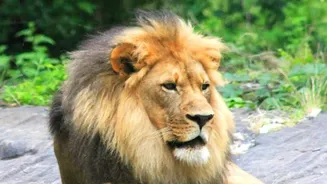
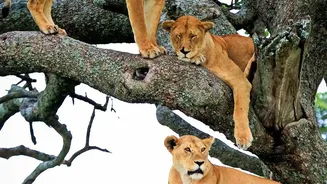
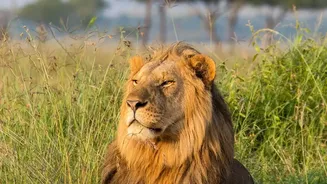
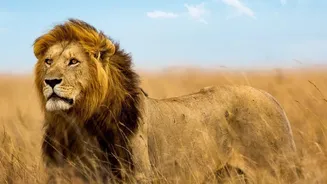
The turning point came in early 2023 when a male lion naturally dispersed from the greater Gir region and journeyed to Barda on its own. This milestone confirmed the landscape was a viable corridor. Following this natural recolonisation, the Gujarat Forest Department augmented the population by introducing five lionesses. The results have been phenomenal. The lions have not only adapted but have also begun breeding successfully. By late 2025 and early 2026, the population in Barda had grown to 17 individuals, including several cubs born in the sanctuary. Recent scientific studies, using GPS radio-collar data, confirm that the lions have established stable home ranges and are actively using the sanctuary's forests and grasslands, cementing Barda's status as a de facto second home.
What This Means for Lion Conservation
The establishment of a breeding lion population in Barda is a landmark achievement in Indian wildlife conservation. While Barda is not geographically isolated enough to serve as a complete insurance policy against a region-wide epidemic, it acts as a vital 'satellite population'. This dispersal reduces population density in the overcrowded Gir landscape, where over half the lions now live outside protected areas, often leading to human-wildlife conflict. The success at Barda, now designated 'Satellite Population 8' under Project Lion, provides a blueprint for managing expanding predator populations. It also creates new opportunities for the local community through ecotourism, which has already seen a nearly 50% increase in visitors since it began.