

In the vibrant world of Indian cuisine, some flavour pairings are simply iconic. The sharp, mouth-puckering tang of raw mango combined with the unmistakable, savoury aroma of fresh curry leaves is one such magical duo, especially in the south.
A Culinary Power Couple
On their
on, both green mango and curry leaves are culinary heavyweights. Green mango, or 'kairi' in Hindi and 'mamidikaya' in Telugu, is the unripe version of the beloved summer fruit. Its defining characteristic is a sharp, clean sourness that brings a refreshing zing to any dish it graces. It's packed with Vitamin C and acts as a fantastic natural souring agent, much like tamarind or lime, but with its own distinct, vegetal brightness. Curry leaves, or 'kadi patta', are not related to curry powder but are the fragrant leaves of the curry tree. When sizzled in hot oil or ghee, they release a complex, nutty, and slightly pungent aroma that is the foundational scent of countless South Indian dishes. They are prized not just for their flavour but also for their anti-inflammatory and antioxidant properties.
The Science of Delicious
So, why do they work so well together? It's a classic case of culinary balance. The potent sourness of the green mango needs a counterpart to prevent it from overwhelming a dish. The aromatic, slightly savoury notes of the curry leaf provide that perfect counterbalance. The tempering process, or 'tadka', where curry leaves are fried with mustard seeds and other spices, creates an infused oil that mellows the mango's tartness while highlighting its fruity undertones. This pairing creates a symphony of flavours: the sourness from the mango cuts through the richness of lentils or coconut milk, while the fragrance of the curry leaves adds a layer of aromatic depth that makes the dish profoundly satisfying.
The Quintessential Dish: Mamidikaya Pappu
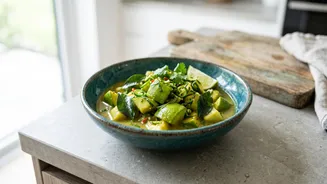
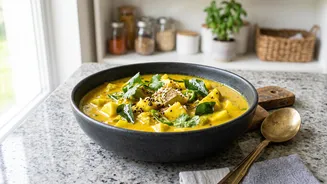
Nowhere does this partnership shine brighter than in 'Mamidikaya Pappu', a treasured dal from Andhra Pradesh. This comforting dish is the epitome of how these two ingredients create magic. Toor dal (split pigeon peas) is cooked until soft and creamy, then combined with chunks of raw mango that soften but still retain a bit of their texture. A final tempering of ghee or oil, sizzling with mustard seeds, cumin seeds, dried red chillies, and a generous amount of curry leaves, is poured over the dal. The result is a creamy, tangy, and fragrant lentil curry that is both simple and spectacularly flavourful, typically served with hot steamed rice and a dollop of ghee.
Beyond the Dal Pot
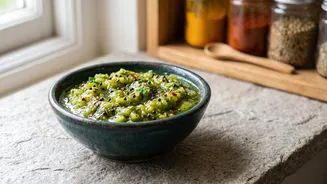
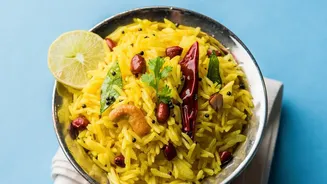
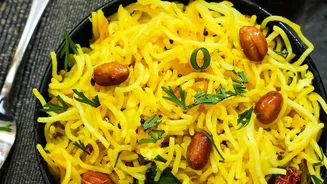
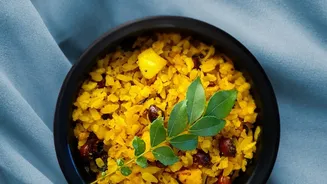
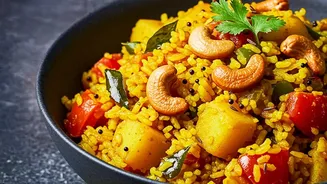
While dal is their most famous collaboration, green mango and curry leaves appear together in a wide array of other preparations. They form the base of many tangy chutneys and pickles, where the curry leaves add an aromatic layer to the sour, spiced mango. In many coastal communities, from Goa to Kerala, this combination is used to create stunning curries. These dishes often feature coconut milk, where the mango's tartness and the curry leaves' fragrance cut through the creamy sweetness, creating a perfectly balanced gravy for fish or vegetables like okra. You can also find this duo in rice dishes, like a tangy mango rice, and even in refreshing summer coolers where steeped curry leaves add a surprising savoury note to a sweet and sour mango drink.
Bringing the Flavour Home
Cooking with this pair is wonderfully straightforward. When shopping, look for firm, bright green mangoes that have no soft spots. The skin of the mango holds a lot of flavour and is often left on in dishes like dal. Fresh curry leaves are always best; they have a vibrant green colour and a much more potent aroma than the dried variety. To get the most out of them, always add them to hot oil. You’ll know you’re on the right track when they sizzle, crackle, and release their incredible fragrance into your kitchen. Don't be afraid to be generous with them. They are meant to be eaten, not just used as a garnish.