



The Invisible Enemy: What is PM2.5?
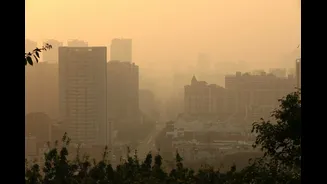
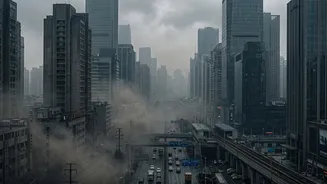
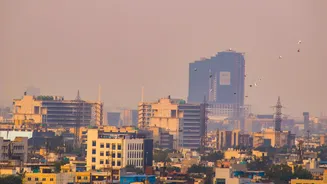
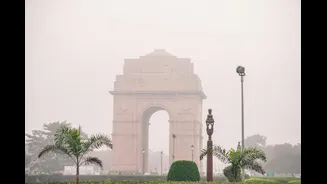
When you see a hazy, grey sky over Delhi, you're looking at more than just fog. A key component of this smog is 'Particulate Matter 2.5', or PM2.5. These are microscopic particles—soot, chemicals, dust—that are about 30 times smaller than a single human
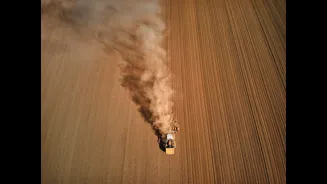
hair. Because of their incredibly small size, they bypass the body’s natural defence mechanisms like nose hair and mucus that would normally trap larger particles. Instead of being filtered out, PM2.5 particles travel deep into the respiratory tract, lodging themselves in the delicate lung tissue and even entering the bloodstream. These particles come from vehicle exhaust, industrial emissions, construction dust, and seasonal stubble burning, creating a toxic cocktail that millions of residents inhale daily.
A Crisis for Non-Smokers
The long-held belief that avoiding cigarettes was enough to protect your lungs is being dangerously challenged in India's capital. Doctors in Delhi report a dramatic shift in patient profiles, with a growing number of non-smokers, including women and younger people, being diagnosed with lung cancer. Some Delhi hospitals have seen the proportion of non-smokers among lung cancer patients surge from around 10% in the late 1990s to over 50% in recent years. This disturbing trend parallels the city's worsening air quality. The International Agency for Research on Cancer (IARC) has classified outdoor air pollution, and specifically PM2.5, as a Group 1 carcinogen, the same category as tobacco smoke and asbestos, confirming it is proven to cause cancer in humans.
How Fine Particles Damage the Lungs
Once PM2.5 particles embed themselves deep in the lungs, they trigger a cascade of harmful effects. The body perceives them as a foreign invader, launching an inflammatory response. Over time, this chronic inflammation can damage lung tissue and impair its function. More alarmingly, these particles can cause direct DNA damage or mutations in the lung cells, similar to the cellular damage caused by tobacco. Recent studies have found that high exposure to PM2.5 can trigger specific genetic mutations that are known to drive cancer. This explains the rise in a particular type of lung cancer called adenocarcinoma among non-smokers in polluted urban areas. The risk is not just theoretical; studies have shown that residents of Delhi show significantly reduced lung function compared to those living in areas with cleaner air.
Delhi's Air: A Persistent Hazard
Delhi's air quality crisis is a year-round issue that spikes to hazardous levels, particularly in winter. Cooler air and lower wind speeds trap pollutants close to the ground, while emissions from Diwali firecrackers and stubble burning in neighbouring states compound the problem. As of late October 2026, Delhi's Air Quality Index (AQI) has already entered the 'Poor' to 'Hazardous' category, with PM2.5 levels soaring to several times the permissible standard, prompting authorities to implement pollution control measures. Some experts have disturbingly calculated that, on a high-pollution day, breathing the air in Delhi can be equivalent to smoking 10 cigarettes a day. This constant, unavoidable exposure means that for long-term residents, the risk of lung damage is persistent and cumulative.
What Can Be Done to Mitigate Risk?
While solving the city-wide pollution crisis requires sweeping policy changes, individuals can take steps to reduce their personal exposure. Monitoring the daily AQI and limiting strenuous outdoor activity on 'Poor' or 'Hazardous' days is a crucial first step. When going outdoors, wearing a properly fitted N95 mask can significantly reduce the inhalation of PM2.5 particles. At home and in the office, using air purifiers with HEPA filters can help create cleaner indoor air environments where people spend most of their time. Furthermore, a strong immune system can help the body cope with environmental stressors, so a balanced diet and healthy lifestyle are beneficial. Finally, for those with persistent respiratory symptoms like a nagging cough or shortness of breath, seeking a medical consultation is essential for early detection and care.