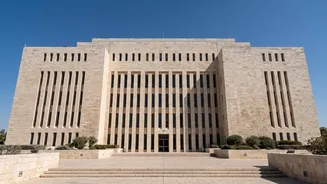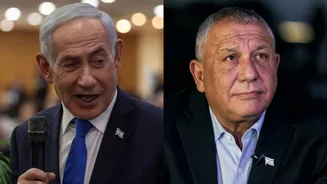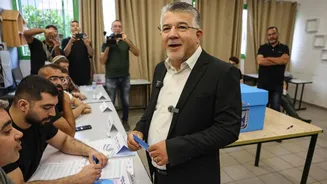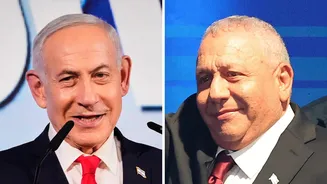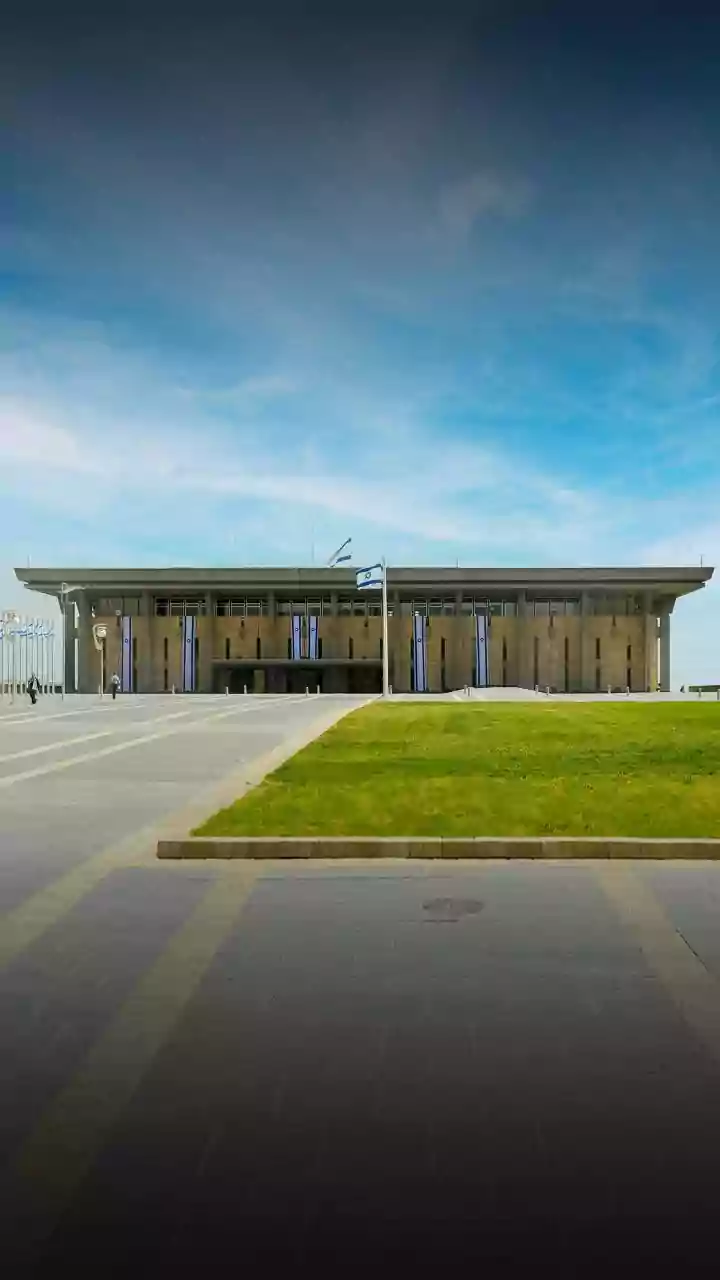







Israel wakes up once again to a familiar and frustrating political reality: another election has produced no clear winner. The results from the 2026 polls show the country at a now-customary impasse, with no single party or ideological bloc securing the outright
majority needed to form a stable government.
The Anatomy of a Deadlock
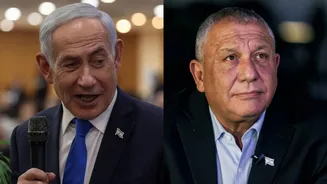
In Israel's 120-seat parliament, the Knesset, the magic number is 61. Securing this majority is the only path to forming a government. The latest results show that neither the right-wing and religious bloc, often led by veteran figure Benjamin Netanyahu, nor the eclectic 'change' bloc of opposition parties, has reached this crucial threshold. This leaves the nation in a state of political paralysis, a scenario that has become remarkably common over the last several years, triggering multiple elections in a short span of time. The immediate future now rests on a frantic period of backroom negotiations, political horse-trading, and the challenging search for a compromise.
Why Does This Keep Happening?
The recurring deadlock is not an accident but a feature of Israel's political DNA. The country uses a nationwide proportional representation system, where parties receive seats in direct proportion to their share of the national vote. The threshold for a party to enter the Knesset is low at just 3.25%, which encourages a large number of smaller, ideologically specific parties to run and win seats. While this creates a very representative and diverse parliament reflecting the many tribes of Israeli society—from secular to ultra-Orthodox, and from Jewish nationalists to Arab-led parties—it makes it nearly impossible for one or even two parties to command a majority. As a result, coalition governments are the only way to rule, and building them has become progressively harder.
The Main Players and Their Blocs
The political landscape is dominated by two loose and often unstable constellations. On one side is the right-wing and religious bloc, typically anchored by the Likud party and including ultra-Orthodox and nationalist parties. This bloc's platform often centres on security and maintaining a traditional Jewish character for the state. On the other side is a diverse anti-Netanyahu or 'change' bloc, which is more a marriage of convenience than an ideological monolith. It can include parties from the centre-left, secular right-wing, and sometimes seeks the support of Arab-led parties. The deep divisions, particularly over relying on Arab parties for a majority, often cause this bloc to fracture under pressure.
What Happens Now? The Kingmaker Scramble
With the results in, Israel's president will consult with the leaders of all elected parties and then task the Knesset member deemed most likely to succeed with forming a government. That person, not necessarily the leader of the largest party, gets an initial 28 days to build a coalition of at least 61 seats. This kicks off an intense period of negotiations where smaller parties often become 'kingmakers', leveraging their few seats to extract significant policy concessions and powerful ministerial posts. If the first candidate fails, the president can give another person a chance. Possible scenarios include a fragile and ideologically broad 'unity' government, a shaky minority government that relies on outside support from other parties, or the most dreaded outcome: a complete failure to form a coalition, which would automatically trigger yet another election.
Why This Matters Beyond Israel
A politically unstable Israel has significant regional and global implications. Domestically, caretaker governments are limited in their ability to pass budgets or make major longterm policy decisions. Internationally, this instability can affect everything from the ongoing conflict with Iran and its proxies to relations with the Palestinians and the durability of diplomatic agreements like the Abraham Accords. For global partners, including India, consistent political leadership in Jerusalem is crucial for strategic, economic, and diplomatic cooperation. A government in constant flux can be an unpredictable partner, creating uncertainty across the Middle East.