








The Foundation: Tradition and Taste
For generations, Indian households have relied on chutneys not just for taste but for their perceived wellness properties. Ayurvedic tradition has long prescribed ingredients common in chutneys as digestive aids. Mint and coriander, the base of hari chutney,
are traditionally known for their cooling and gut-settling effects. Spices like ginger, cumin, and asafoetida (hing), often found in various recipes, have been used for centuries to stimulate appetite and ease bloating. Similarly, tamarind chutney, with its sweet and sour notes, was used as a cooling agent. This traditional wisdom forms the bedrock of our love for chutney, positioning it as a functional food long before the term became a trend. It's a philosophy where flavour and function are ground together, often by hand on a stone grinder, creating a condiment that is deeply woven into our daily meals and culinary identity.
The Nutritional Evidence: A Double-Edged Sword
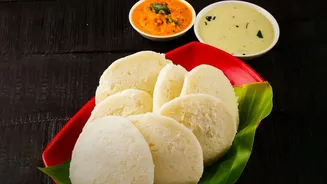
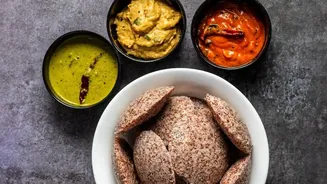
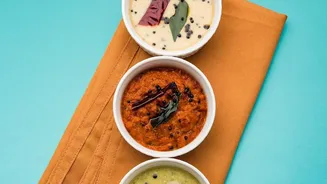
Modern nutritional science in 2026 is finally catching up with this ancestral wisdom, providing a clearer picture of what’s inside these condiments. Green chutneys made with fresh coriander and mint are confirmed to be nutritional powerhouses. They are incredibly low in calories but rich in essential nutrients like Vitamin K, Vitamin A, and Vitamin C, which support everything from bone health to immunity. Studies also highlight their antioxidant properties, which help combat cellular damage. Coconut chutney, a South Indian breakfast essential, offers its own set of benefits. It is rich in healthy fats known as medium-chain triglycerides (MCTs), which the body can convert into energy quickly. Some studies even suggest the fats in coconut may help improve cholesterol levels by increasing 'good' HDL cholesterol. However, the evidence also points to a need for mindfulness. Coconut chutney is calorie-dense, with a typical serving containing a significant amount of fat. Likewise, popular sweet and tangy tamarind chutneys can be high in sugar, while many street-side preparations can contain excessive salt.
The Street-Food Reality: Safety and Hygiene
The most significant evidence in 2026 concerns not just the ingredients, but their preparation, especially in street-food settings. Recent crackdowns by the Food Safety and Standards Authority of India (FSSAI) have put a spotlight on hygiene. Reports from 2026 show that while street food is a vital part of India's culture, it poses challenges. Data reveals that a notable percentage of food samples tested annually are found to be substandard or unsafe. For chutneys, the primary concerns are the quality of water used in their preparation and the hygiene of the containers and grinding equipment. Since many chutneys are uncooked, they are susceptible to microbial contamination, which can lead to foodborne illnesses. This evidence doesn't mean we must give up our favourite street-side breakfasts, but it reinforces the importance of choosing vendors who prioritize cleanliness and fresh preparation.
The 2026 Chutney: Evolving for the Modern Palate
The conversation around health and safety is influencing how chutneys are made and consumed. There is a growing trend towards healthier adaptations, both at home and commercially. Many are creating low-sodium versions of green chutney and low-sugar tamarind chutneys using natural sweeteners. The 'swicy' (sweet and spicy) trend, popular in 2026, has also embraced chutney, with innovative combinations like mango-chilli and tomato-date finding their way onto modern menus and into packaged products. Food technologists are even developing shelf-stable 'chutney tablets' and powders that retain nutritional value while offering convenience. These innovations show that chutney is not a static tradition but a dynamic one, adapting to the health consciousness and fast-paced lifestyle of 2026.