





The Hydration Showdown
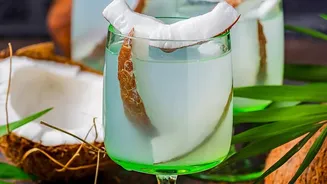
When it comes to pure, quick hydration, coconut water often has a slight edge. It's frequently called a "natural sports drink" because it is packed with electrolytes like potassium, magnesium, and some sodium. These are the minerals your body loses through
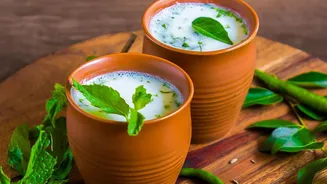
sweat, and coconut water helps replenish them efficiently, making it an excellent choice after light exercise or time spent in the sun. Buttermilk is also a great hydrator. It is composed of over 90% water and contains electrolytes like potassium and sodium that help restore fluid balance. While coconut water is richer in potassium, buttermilk often contains more sodium, which is crucial for rehydration after heavy sweating.
A Tale of Two Nutritional Profiles
Beyond hydration, their nutritional offerings diverge significantly. Coconut water is simple: it's low in calories (about 45-60 per cup), fat-free, and contains natural sugars and minerals. Buttermilk, on the other hand, is a more complex beverage. A cup of low-fat buttermilk has around 98 calories and provides a good dose of protein, calcium, and B vitamins, particularly B12. This makes buttermilk a more filling and nutritionally dense option. If your goal is a light, low-calorie drink, coconut water is the winner. If you're looking for a beverage that doubles as a light, nutritious snack, buttermilk is the superior choice.
The Gut Health Advantage
This is where buttermilk truly shines. As a fermented drink, chaas is a natural source of probiotics, the beneficial bacteria that are crucial for a healthy digestive system. These probiotics can improve digestion, reduce bloating, and help your body absorb more nutrients from food. Regular consumption of buttermilk can strengthen your immune system, which is closely linked to gut health. Coconut water does not contain probiotics and is largely neutral for gut health, though its hydrating properties can contribute to overall digestive wellness.
Watch Out for Hidden Traps
The benefits of both drinks are greatest when they are consumed in their freshest, most natural form. Packaged coconut water often undergoes pasteurisation (heat treatment) which can diminish its nutritional value and electrolyte content. Many commercial brands also contain significant amounts of added sugar, turning a healthy drink into a sugary one. Similarly, while homemade buttermilk is excellent, commercially prepared versions and those served in restaurants can be very high in sodium (salt). Always check the labels on packaged products for added sugars and high sodium levels. Making them fresh at home is always the best option.
The Verdict: When to Drink Which
There's no single winner in this contest; the best choice depends on your needs. Reach for coconut water when you need fast hydration and a quick electrolyte boost, like after a workout, a long day in the sun, or on an empty stomach for maximum absorption. Choose buttermilk (chaas) when you want a cooling drink that aids digestion, making it perfect to have with or after meals, particularly lunch. It’s also a great choice for a filling mid-day drink that can curb hunger without adding too many calories. Ultimately, incorporating both into your routine might be the smartest strategy for staying hydrated and healthy.