







Hiking is often about the destination. But what if the journey itself became richer? Mindful observation turns a simple walk into a full sensory experience, deepening your connection to nature without any complex rules or expectations.
Set an Intention Before You Start
Mindfulness begins
before you even take the first step onto the trail. Many of us carry the stress of our day into our leisure time. Before you begin your hike, take a moment to pause. Close your eyes and take a few deep breaths. Set a simple intention for your walk. It doesn't have to be a grand goal; it could be as simple as 'to be present' or 'to notice things I usually miss'. This simple act helps you mentally shift gears, leaving behind digital distractions and to-do lists, and prepares your mind to be open to the experience ahead. Think of it as creating a clear headspace for your adventure.
See Beyond the Scenery
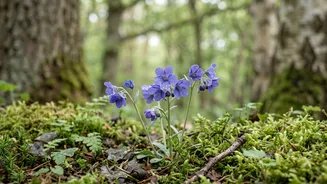
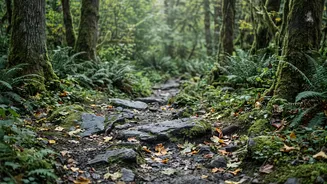
Our eyes are powerful, but on a hike, we often focus only on the path ahead or the distant viewpoint. Mindful seeing is about noticing the smaller details. As you walk, consciously look for things you might normally overlook. Observe the intricate patterns on a leaf, the texture of tree bark, or the way sunlight filters through the canopy. Look for different shades of green or the variety of colours in the wildflowers. This practice of deep focus allows you to find beauty in the small-scale wonders of the ecosystem, fostering a greater appreciation for the natural world around you.
Listen to Nature's Soundtrack
A forest is never truly silent. To practice mindful listening, find a moment to stand still and simply tune in to the sounds around you. Try to identify individual noises. Can you hear the rustle of leaves in the wind, the crunch of your own footsteps, or the distant call of a bird? The goal is to simply listen without judgement. Engaging your hearing helps to anchor you in the present moment and can reveal a rich layer of activity you might otherwise have missed. Some studies suggest that the sounds of nature can help calm the nervous system and reduce stress.
Engage Your Other Senses
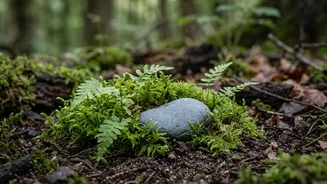
To fully immerse yourself, bring awareness to touch and smell. Notice the feeling of the breeze on your skin or the warmth of the sun. Gently touch the different textures you encounter, like the rough bark of a tree or the soft surface of moss. Pay attention to the scents in the air—the earthy smell of damp soil after a rain, the fragrance of pine needles, or the sweet aroma of flowers. A popular grounding technique when your mind feels busy is the '5-4-3-2-1' method: name five things you can see, four you can touch, three you can hear, two you can smell, and one you can taste.
Keep It Simple and Sensible
The key to incorporating mindful observation 'sensibly' is to avoid turning it into another chore. You don't need to be mindful for your entire hike. Start small. Try dedicating just five minutes of your walk to focusing on one sense. Or, if hiking with others, agree to a short period of silent walking to allow everyone to connect with their surroundings. The practice isn't about achieving perfection or stopping your thoughts entirely; it's about gently bringing your attention back to the present moment whenever you notice it has wandered. The more you practice, the more natural it will become, enriching your time outdoors.